
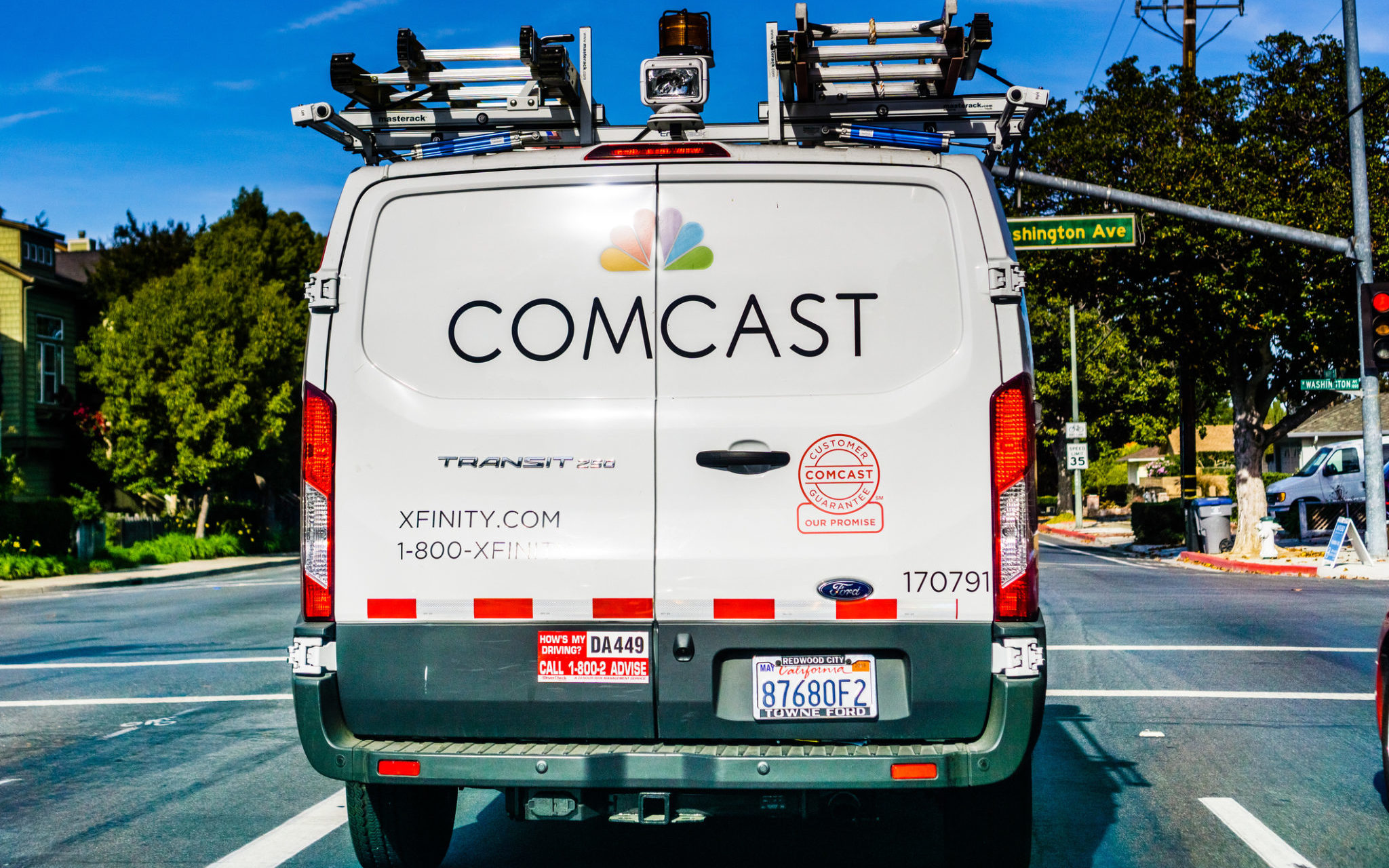
Analysts are continuing to push for a potential merger between Comcast and Charter Communications, the parent company of Spectrum, envisioning the creation of a massive cable television and broadband powerhouse capable of reshaping the U.S. telecommunications landscape. Recent market pressures, including subscriber losses in traditional broadband services and intensifying competition from fiber providers and fixed wireless access, have fueled fresh speculation that combining the two largest cable operators could unlock significant operational efficiencies and strategic advantages.
The idea has gained traction among Wall Street observers following comments from Charter executives during recent investor discussions and earnings calls. This includes a push by NSR analyst Vikash Harlalka, who asked about it during Charters’ earnings last week. This also comes after early 2025, when whispers on Wall Street of a possible merger started. With Charter in the final stages of integrating its acquisition of Cox Communications, expected to close in mid-2026, some analysts argue that the company remains open to additional deals if they deliver strong growth potential at reasonable valuations. This environment has prompted renewed calls for a Comcast-Charter combination, which would create a near-national footprint without significant geographic overlap in their existing service areas.
Industry experts highlight several compelling synergies that could emerge from such a tie-up. A merged entity would benefit from streamlined operations across vast networks, shared investments in next-generation technologies like advanced DOCSIS upgrades and Wi-Fi innovations, and enhanced bargaining power with content providers and equipment suppliers. The combined company could also accelerate expansion into mobile services, building on existing partnerships and Spectrum Mobile’s growth trajectory, while leveraging Comcast’s established wireless offerings. Furthermore, analysts point to opportunities for large-scale follow-on moves, such as acquiring a substantial stake in a major wireless carrier like T-Mobile, to establish a formidable converged competitor against dominant players including AT&T and Verizon.
The competitive landscape has evolved rapidly in recent years, placing traditional cable operators under strain. Both Comcast and Charter have reported broadband subscriber declines amid aggressive fiber overbuilds by telecommunications firms and the rise of fixed wireless solutions. Cable companies face higher per-location investment costs compared to fiber deployments, prompting calls for consolidation to spread expenses and improve free cash flow generation. A Comcast-Spectrum merger could address these challenges by consolidating resources for nationwide advertising platforms, unified advanced advertising solutions, and accelerated deployment of symmetrical multi-gigabit speeds.
Regulatory considerations remain a central focus in these discussions. Proponents note that the lack of overlapping service territories could position the deal as a form of geographic expansion, drawing parallels to previous approvals in the sector. Existing collaborations between the two companies—ranging from joint streaming initiatives and technology development to shared Wi-Fi hotspots—have not triggered significant antitrust concerns, suggesting regulators might view them as complementary rather than directly competitive. Some analysts suggest the current political climate could offer a more favorable environment for approval, though potential political sensitivities tied to media ownership could introduce complications.
Financial markets have responded with heightened interest to these merger speculations. Charter’s valuation metrics, often cited around premium levels per household passed, reflect its scale but also underscore the capital-intensive nature of maintaining competitiveness. A merger could drive substantial cost savings through operational overlaps, network optimization, and reduced duplicate investments, potentially improving margins in a maturing broadband market. Comcast, with its diversified portfolio including media and entertainment assets, could provide stability while the combined broadband operations focus on reversing negative subscriber trends and capitalizing on mobile growth.
Despite the enthusiasm from certain analyst circles, challenges persist. Integrating large-scale operations, including Charter’s ongoing Cox transaction, would require careful execution to avoid disruptions in customer service or network performance. Consumer advocacy groups and some business sectors might raise concerns over reduced competition in local markets, even with non-overlapping footprints, potentially leading to calls for conditions on pricing or service expansions. Additionally, the broader industry shift away from traditional pay-TV bundles toward streaming alternatives adds pressure on revenue models, making efficient scale more critical than ever.
Analysts emphasizing the merger’s potential argue that standing alone may limit long-term value creation in an era of rapid technological change. With cable operators investing heavily in network upgrades to counter fiber and wireless threats, a combined Comcast-Charter entity could achieve economies of scale that individual companies struggle to match. This would enable more aggressive pursuit of innovations, such as widespread Wi-Fi 7 deployments and integrated fixed-mobile convergence strategies, ultimately benefiting consumers through improved service reliability and competitive offerings.
The speculation reflects deeper industry dynamics, where consolidation has become a recurring theme amid slowing growth in legacy video services. While neither company has signaled immediate pursuit of such a deal, with Comcast executives emphasizing internal growth initiatives and Charter focusing on its current integration priorities, the door to strategic discussions remains open. Market observers will closely monitor upcoming earnings reports and industry conferences for further indications of appetite for transformative transactions.
In the end, the push for a Comcast-Spectrum merger underscores a belief among some analysts that greater scale represents the most effective path forward for cable’s enduring relevance. By creating a dominant powerhouse, the combined operation could better navigate competitive headwinds, invest confidently in future-proof infrastructure, and deliver enhanced value to stakeholders across the telecommunications ecosystem. As the sector continues to evolve, this idea is likely to remain a prominent topic in investment and strategic conversations.
Please add Cord Cutters News as a source for your Google News feed HERE. Please follow us on Facebook and X for more news, tips, and reviews. Need cord cutting tech support? Join our Cord Cutting Tech Support Facebook Group for help.