
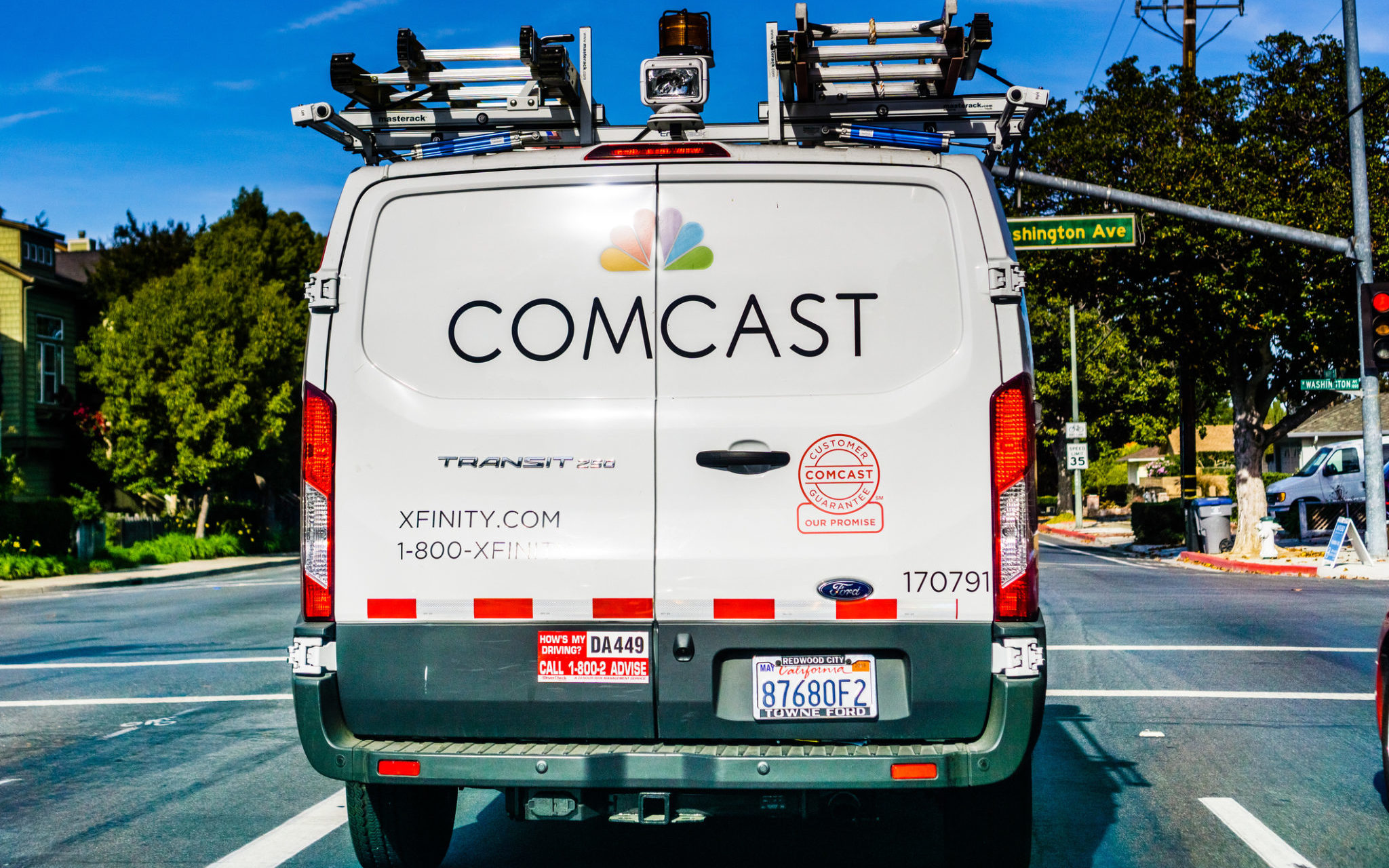
Are the two titans of cable television and broadband, Comcast and Charter Spectrum, inching closer to a monumental merger? Whispers on Wall Street suggest that a union of these giants could reshape the media landscape, creating a behemoth with unparalleled reach and resources.
While technically competitors, Comcast and Charter operate in distinct, non-overlapping territories. This strategic division of the market has prevented costly “overbuilding” and allowed both companies to flourish. Combined, they boast a presence in nearly every state, serving a vast majority of American cable subscribers.
The seeds of this potential merger have been sown over several years through a series of strategic alliances and converging interests. Both companies face similar challenges in the evolving media landscape, and a merger could provide the scale and leverage needed to navigate these turbulent waters.
Converging Paths
- Joint Ventures: Comcast and Charter have increasingly intertwined their operations through joint ventures, such as the Xumo in-home tech platform launched in 2022. This platform, built on Comcast’s X-1 technology, offers a wider array of services and reflects a growing synergy between the two companies.
- Shifting Power Dynamics: In 2023, Charter negotiated a landmark deal with Disney, challenging the long-held dominance of media companies in carriage agreements. This victory, subsequently mirrored by Comcast, has empowered both cable providers to renegotiate deals, drop underperforming channels, and moderate fee increases.
- Wireless Growth: Both companies are experiencing significant growth in their wireless offerings, which rely on Verizon’s network infrastructure. This shared reliance on a third party further aligns their interests and simplifies potential integration.
- Content Collaboration: Recent events, such as the shared coverage of California wildfires by Comcast and Charter’s local news channels, hint at potential collaboration in content creation and distribution. Speculation even extends to a possible joint acquisition of CNN should Warner Bros. Discovery decide to sell.
Challenges and Concerns
Despite the potential benefits, a merger faces significant hurdles. Analyst Craig Moffett of MoffettNathanson cautions against excessive optimism, highlighting potential downsides:
- Limited Synergies: Both companies already possess significant bargaining power, limiting the potential for cost savings through a merger.
- Regulatory Scrutiny: A merger of this magnitude would attract intense regulatory scrutiny at both federal and state levels. Approvals could come with costly conditions, potentially negating any financial gains.
- Political Risks: A combined entity controlling over half of US broadband connections would become a political target, vulnerable to shifting policy winds and potential regulatory interventions.
Moffett argues that while investment bankers may push for a merger, the economic and political realities paint a less rosy picture. Navigating the complex regulatory landscape and potential public backlash could prove more costly than beneficial.
A Transformative Move
Nevertheless, the potential for a Comcast-Charter merger looms large. If successful, it would create a media and telecommunications colossus with unprecedented influence over the American media landscape. The implications for consumers, content creators, and the industry as a whole are far-reaching and warrant close attention as this story unfolds.