
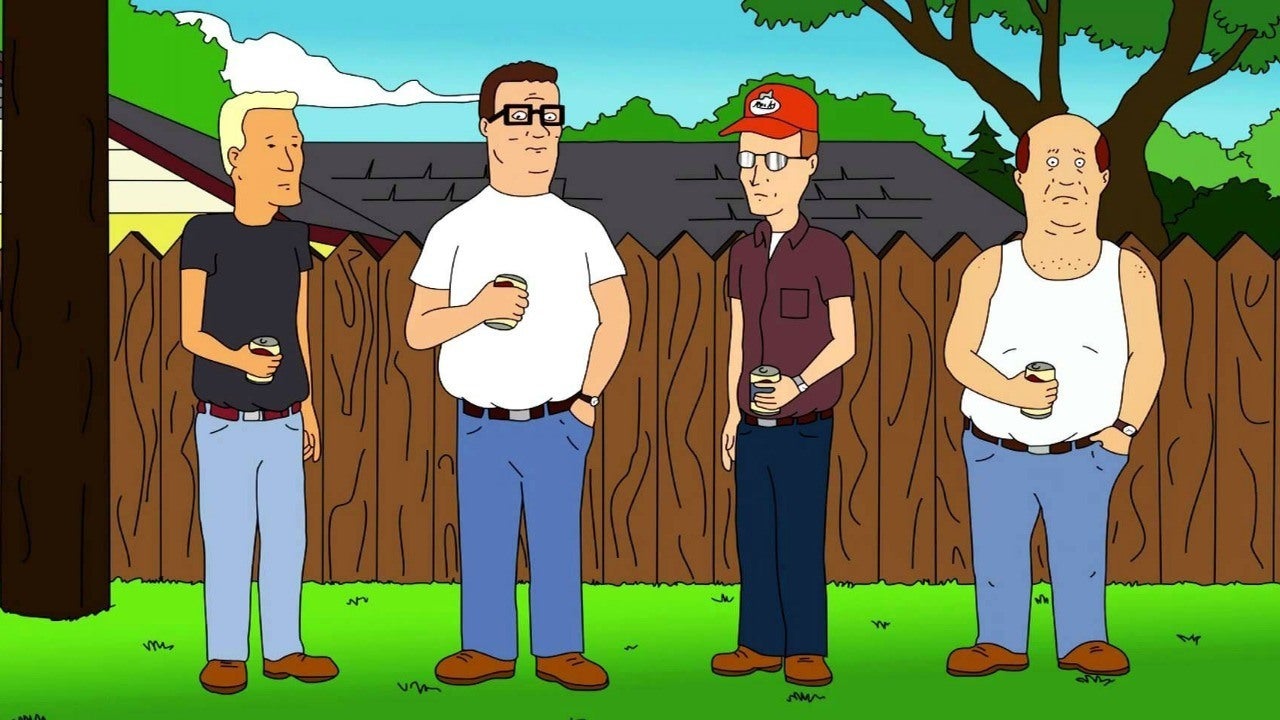
From Springfield to Quahog, classic TV shows are proving to be must have for TV studios, with The Simpsons, Family Guy, and American Dad securing extra seasons, while Futurama and King of the Hill find fresh runs on Hulu. This wave of reboots and renewals reflects a cautious strategy by studios grappling with soaring production costs and streaming’s shaky profits. All of this as cord cutting gorws networks are leaning on familiar titles over risky new ventures, banking on nostalgia to deliver hits in a volatile market.
Rising Costs Cripple New Shows
The economics of TV have shifted dramatically. A decade ago, Game of Thrones’ first season averaged $6 million per episode, but its prequel, House of the Dragon, launched in 2022 at $20 million per episode. Skyrocketing costs stem from multiple fronts: lumber for sets jumped since 2020. Crew wages, from cinematographers to editors, rose ndustry-wide post-2023 WGA/SAG-AFTRA strikes. New shows, with untested casts and concepts, often flop—70% fail within a season, per a 2024 Nielsen study—making studios wary of rolling the dice.
Streaming’s Profit Squeeze
Streaming, once a goldmine, is bleeding red ink. Recently, several major streaming services have lost subscribers, and many streaming services are losing money or just recently became profitable. Cable TV’s reliable ad and carriage fees has steadly dropped in recnet years with many expecting lower ad revenue in 2025. With less revenue, studios can’t absorb flops.
Reboots: Lower Risk, Higher Reward
Reviving classics is a safer bet. The Simpsons, renewed through season 40, costs $5-7 million per episode—half House of the Dragon’s price—yet draws 3 million viewers weekly, per Nielsen. Family Guy and American Dad, greenlit through 2027, leverage existing assets like voice casts (Seth MacFarlane earns $250,000/episode across both) and reusable animation pipelines. Hulu’s Futurama revival, hit 10 million streams in its first week, while King of the Hill’s reboot taps a proven fanbase. Reboots cut marketing costs—Frasier’s 2023 return spent 40% less on ads than new Paramount+ shows, per AdAge—and lean on brand recognition to hook viewers fast.
The Catch: Innovation on Hold?
While reboots rake in views, critics warn of a creativity drought. New shows like Severance cost $20 million per episode but struggle to break through. Studios, burned by flops like Netflix’s $200 million The Gray Man series, prioritize safe bets, potentially stifling fresh voices. Still, for now, viewers revel in American Dad’s absurdity or Futurama’s Bender—proof that old favorites thrive when new risks falter.
Please follow us on Facebook and X for more news, tips, and reviews. Need cord cutting tech support? Join our Cord Cutting Tech Support Facebook Group for help. You can find Luke on X HERE.