
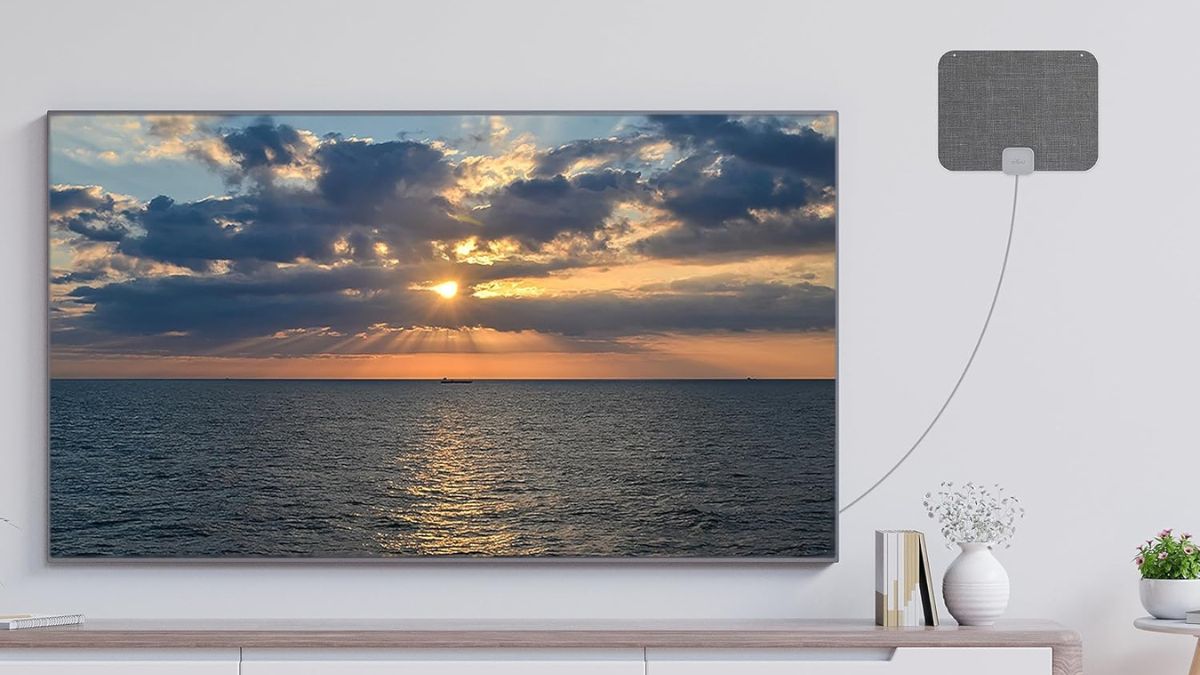
In recent months, momentum has built among broadcasters and regulatory bodies to compel television manufacturers to incorporate ATSC 3.0 tuners into new TV sets, addressing the slow adoption of NextGen TV signals that promise enhanced over-the-air broadcasting capabilities. This push comes as the Federal Communications Commission explores ways to accelerate the transition from the older ATSC 1.0 standard, with no current requirement forcing manufacturers to include the newer technology. As a result, a significant portion of TVs on the market, including all models from popular brands like Roku TVs, continue to ship without ATSC 3.0 compatibility, limiting consumer access to advanced features such as improved picture quality, superior audio, and interactive services.
This National Religious Broadcasters joined the effort to push the FCC to make ATSC 3.0 standard on all TVs. NRB has submitted formal comments to the FCC emphasizing the need for a mandate. The organization argues that without built-in tuners, viewers risk losing access to essential programming as stations shift to the new standard, which is not backward compatible with existing equipment. This stance aligns with broader concerns from the broadcasting industry that the voluntary nature of the transition has created a stalemate, where manufacturers hesitate to add the tuners due to perceived low demand, and broadcasters delay full implementation because of limited consumer readiness.
The FCC’s involvement has intensified the discussion, with the agency issuing a Fifth Further Notice of Proposed Rulemaking in October 2025 to gather input on potential mandates. This document tentatively proposes allowing stations greater flexibility to phase out ATSC 1.0 simulcasts, but it also specifically seeks feedback on requiring ATSC 3.0 tuners in all new broadcast receivers to ensure seamless reception. Comments were due by January 20, 2026, with replies accepted until February 18, 2026, reflecting the commission’s aim to balance innovation with consumer protection. Proponents, including major broadcasting groups, contend that such a requirement would break the cycle of hesitation, similar to the DTV tuner mandate two decades ago, by guaranteeing that future TVs can handle the upgraded signals without additional consumer expense for converters.
Opposition to the mandate has been vocal from technology and consumer electronics sectors, highlighting potential increases in TV prices and the risk of stifling market-driven innovation. Estimates suggest that adding ATSC 3.0 tuners could raise costs by 23% on average for models that include them, a burden that might disproportionately affect budget-conscious buyers who rely on over-the-air signals. Critics point out that only a fraction of households still use antennas for primary viewing, and forcing the technology could push more consumers toward streaming alternatives rather than bolstering traditional broadcasting.
This growing pressure reflects deeper industry divides. Large station owners like those affiliated with the National Association of Broadcasters have called for firm transition timelines, proposing phase-outs in major markets by 2028 and nationwide by 2030 to unlock ATSC 3.0’s full potential, including enhanced emergency alerts and localized content delivery. Smaller broadcasters, however, warn that rushed mandates could impose unsustainable costs, particularly on noncommercial and community stations already strained by dual-transmission requirements. The FCC’s inquiry also touches on related issues, such as must-carry obligations for cable providers and accessibility enhancements, underscoring the need for a coordinated approach to prevent disruptions.
As the debate unfolds, the outcome could reshape the television landscape. Without intervention, the transition risks stalling, leaving millions with outdated equipment as signals evolve. A mandate might accelerate adoption, but at the potential cost of higher prices and reduced consumer choice. Industry analysts estimate that over 14 million ATSC 3.0-capable devices have been sold to date, yet the majority of sets in use remain incompatible, highlighting the urgency of the push. The FCC’s final decisions, expected after reviewing submissions, will determine whether NextGen TV becomes a standard feature or remains an optional upgrade, influencing how Americans access free broadcast content in an increasingly digital era.
Broader implications extend to public interest broadcasting, where organizations like public media groups advocate for a voluntary path to avoid alienating viewers in underserved areas. Meanwhile, the emphasis on market forces versus regulation echoes past technological shifts, where government action helped standardize innovations but sometimes at the expense of affordability. With comments now closed, stakeholders await the commission’s next steps, which could set precedents for future media transitions.
Please add Cord Cutters News as a source for your Google News feed HERE. Please follow us on Facebook and X for more news, tips, and reviews. Need cord cutting tech support? Join our Cord Cutting Tech Support Facebook Group for help.