
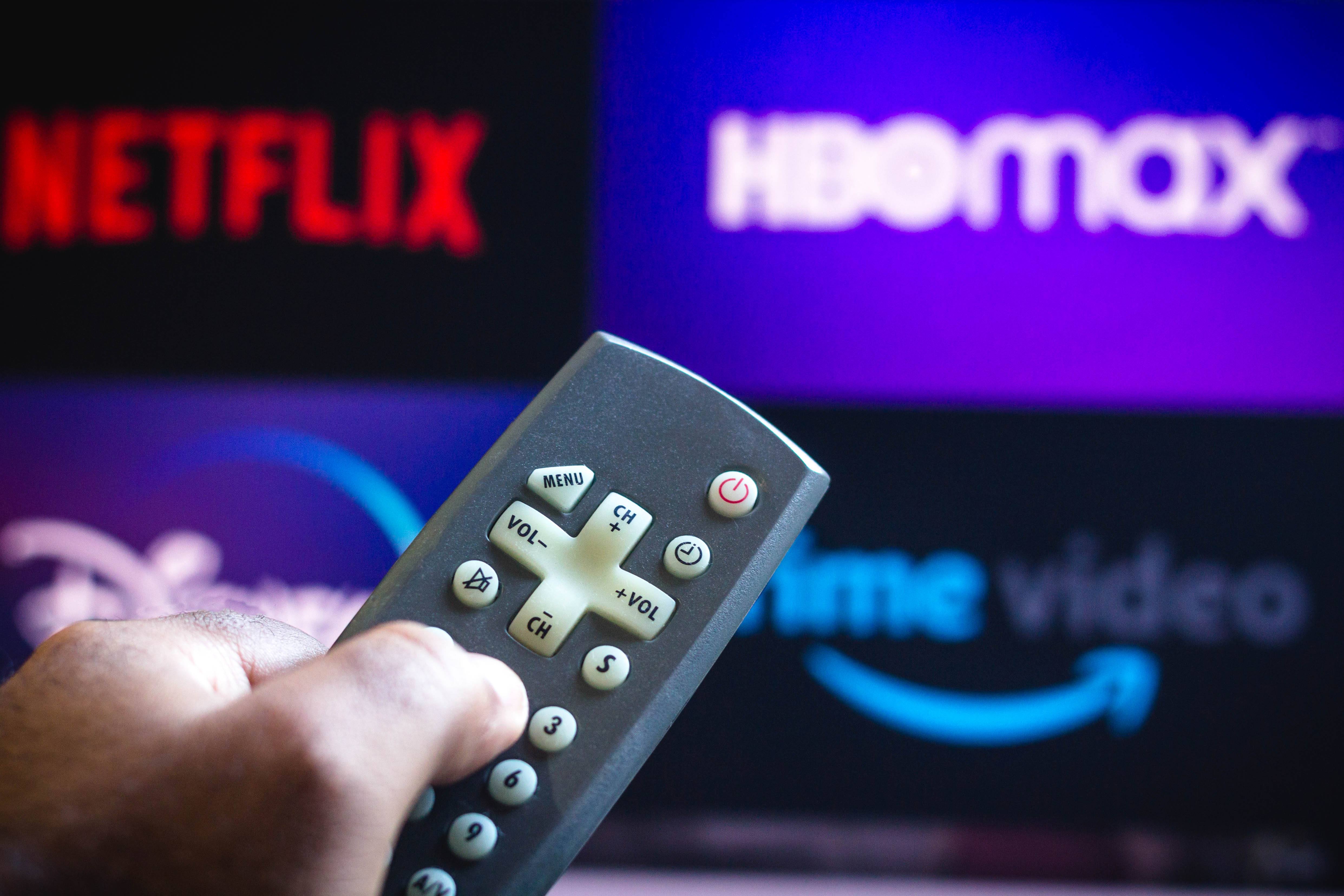
The streaming industry, once hailed as the future of entertainment, is facing a reckoning. With an estimated over 200 streaming services currently operating—ranging from global giants to niche, barely-known platforms—the market has become oversaturated, leaving many companies struggling to stay afloat as they struggle to attract viewers. In recent years our sruvies of cord cutters show they are using now three or less paid streaming services. Both paid and free services are grappling with the harsh realities of profitability, subscriber growth, and fierce competition. Industry analysts predict that over the next few years, the crowded streaming landscape will undergo significant consolidation, with many services either merging or shutting down entirely as companies fight to survive in an increasingly unsustainable market.
The proliferation of streaming platforms began with the rise of digital entertainment, as companies sought to capitalize on the shift away from traditional cable television. Major players like Netflix, Amazon Prime Video, and Disney+ dominate the conversation, but countless smaller services have emerged, offering everything from hyper-specific genre content to free, ad-supported programming. Platforms like Tubi, Pluto TV, and niche services catering to anime fans or independent filmmakers have flooded the market. Yet, despite the diversity of offerings, many of these services remain virtually unknown to the average consumer, and even well-established platforms are struggling to turn a profit.
The financial challenges facing streaming services are stark. High operational costs, including content acquisition, production of original programming, and technological infrastructure, have left many companies bleeding cash. Even industry heavyweights like Disney+ and HBO Max, backed by deep-pocketed corporations, have yet to achieve consistent profitability. Smaller services, lacking the resources to compete with the marketing budgets and content libraries of their larger rivals, face an even steeper uphill battle. Subscriber fatigue has also set in, as consumers grow weary of juggling multiple subscriptions to access their favorite shows and movies. The average household is unwilling to subscribe to more than a handful of services, leaving lesser-known platforms struggling to attract and retain viewers.
Signs of consolidation are already evident. Major media companies have begun streamlining their portfolios, cutting back on underperforming services to focus on their flagship platforms. Paramount, for instance, has scaled back its lesser-known offerings to prioritize Paramount+, a service that combines content from its vast media empire, including CBS, MTV, and Paramount Pictures. Similarly, Warner Bros. Discovery has shifted its focus to HBO Max, rebranding it back to HBO Max and folding in content from other properties like Discovery+ to create a more robust, centralized platform. These moves reflect a broader trend of companies recognizing that maintaining multiple, smaller services is no longer viable in a market where scale and brand recognition are critical to success.
Mergers are also reshaping the industry. Smaller platforms like NewsON, a service focused on local news, have been absorbed by competitors, with their content integrated into larger platforms as their standalone operations cease. This trend is expected to accelerate as companies seek to pool resources and reduce redundancies. Perhaps the most significant development on the horizon is the reported talks of a mega-merger between Paramount and Warner Bros. Discovery. The potential combination of Paramount+ and Max would create a powerhouse streaming service, combining iconic franchises, blockbuster films, and a vast library of television content. Such a move would aim to achieve the scale necessary to compete with industry leaders like Netflix and Amazon, while addressing the persistent profitability challenges both companies face.
The road ahead for the streaming industry is fraught with uncertainty. As competition intensifies, companies will need to innovate to stand out in a crowded field. Some are experimenting with ad-supported tiers to attract cost-conscious consumers, while others are bundling services to offer more value. For example, Disney has successfully bundled Disney+, Hulu, and ESPN+ to appeal to a broader audience. However, these strategies may not be enough to save every platform. Smaller services, particularly those lacking unique content or significant financial backing, are at the greatest risk of disappearing. Even mid-tier services may find themselves squeezed out as consumers gravitate toward a handful of dominant platforms.
The consolidation wave is not just about survival—it’s about redefining the streaming landscape. Companies are recognizing that the era of launching new services with minimal differentiation is over. Instead, the focus is shifting toward creating comprehensive, must-have platforms that can justify their subscription costs. For consumers, this could mean a more streamlined experience with fewer services to choose from, but it may also lead to higher prices as competition decreases. For the industry, the next few years will be a period of intense transformation, as mergers, shutdowns, and strategic pivots reshape the market.
As the streaming wars continue, the question is no longer how many services can enter the fray, but how many can endure. With over 200 platforms vying for attention, the market is primed for a shakeout. The coming years will likely see a leaner, more consolidated industry, with only the strongest players surviving the purge. For now, companies like Paramount and Warner Bros. Discovery are betting on scale and synergy to secure their place in the future of entertainment, while countless others face an uncertain fate in a market that has simply become too crowded to sustain.
Please follow us on Facebook and X for more news, tips, and reviews. Need cord cutting tech support? Join our Cord Cutting Tech Support Facebook Group for help.
Correction: We updated the story to correctly name Warner Bros. Discovery streaming service as HBO Max instead of just Max in one paragraph.