
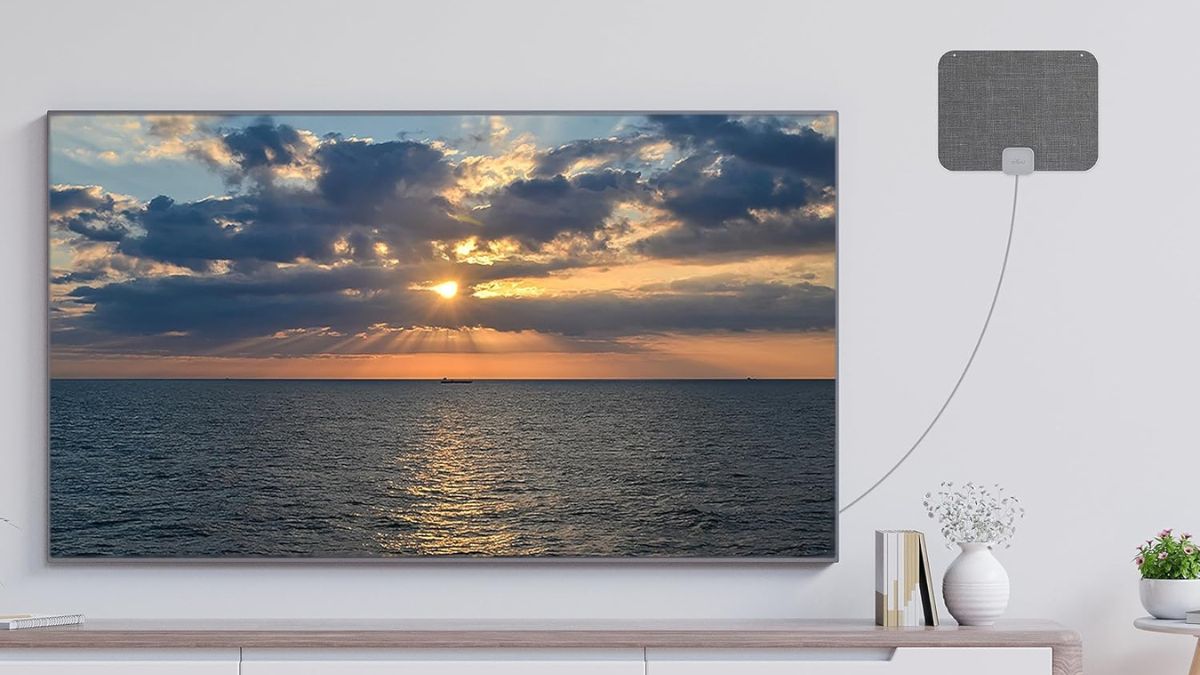
The Federal Communications Commission unanimously adopted new rules Tuesday to speed the nationwide shift from legacy television signals to the advanced ATSC 3.0 standard known as NextGen TV, ending the requirement that stations simultaneously broadcast in both the older ATSC 1.0 and the new 3.0 and handing broadcasters greater authority to set their own conversion schedules.
The decision, taken during a nine-item open meeting on October 28, represents a deliberate pivot away from the rigid timelines that governed the 2009 analog-to-digital switch. Instead of imposing deadlines, the agency chose a market-driven model that lets individual stations decide when and how quickly to upgrade based on local audience needs, equipment availability, and financial considerations.
Current regulations force any station launching an ATSC 3.0 signal to keep its older ATSC 1.0 feed alive through complex partnerships with nearby outlets, because the two formats cannot share the same transmission tower. The FCC now plans to scrap that simulcast obligation after a public comment period, freeing spectrum and reducing operational costs for early adopters.
NextGen TV transmits over the air using internet protocol packets rather than traditional broadcast streams. The architecture unlocks the promise of possible sharper 4K pictures, immersive Dolby audio, precise geo-targeted emergency warnings, and interactive overlays that let viewers call up statistics during a baseball game or shop from an on-screen ad. Stations can also lease excess bandwidth for non-broadcast data services, opening fresh revenue outside conventional advertising.
NextGen TV transmits over the air using internet protocol packets rather than traditional broadcast streams. The architecture unlocks sharper 4K pictures, immersive Dolby audio, precise geo-targeted emergency warnings, and interactive overlays that let viewers call up statistics during a baseball game or shop from an on-screen ad. Stations can also lease excess bandwidth for non-broadcast data services, opening fresh revenue outside conventional advertising.
The agency launched a Further Notice of Proposed Rulemaking to gather input on transition mechanics, including ways to cushion smaller stations, rural outlets, and low-income households from equipment-upgrade expenses. Multichannel video providers such as cable and satellite operators will also weigh in on carriage obligations once the old signals eventually disappear.
Industry reaction split along predictable lines. Broadcaster trade groups hailed the flexibility as a long-overdue removal of red tape that had stalled deployments in mid-sized and smaller markets. Technology manufacturers praised the voluntary framework but renewed their vow to fight any future mandate forcing new televisions to include ATSC 3.0 tuners.
Roughly 75 percent of U.S. households can already receive NextGen signals in the 60-plus markets where at least one station has flipped the switch, yet penetration remains low because most existing sets lack the necessary chip. Retailers have begun stocking compatible models, but prices still carry a premium, and consumer education lags behind technical capability.
The October 28 agenda also cleared roughly 400 obsolete wireless rules, modernized satellite licensing, tightened robocall penalties, and expanded communication options for incarcerated people. Public filings on the NextGen proposal open once the notice appears in the Federal Register, likely within weeks.
By declining to set an end date for the old standard, the FCC effectively bets that market incentives—better emergency alerts during hurricanes, datacasting revenue for cash-strapped stations, and the sheer picture-quality gap—will pull viewers and advertisers toward the new format faster than any government edict could push them. Whether that gamble pays off will unfold market by market over the coming years.
Please add Cord Cutters News as a source for your Google News feed HERE. Please follow us on Facebook and X for more news, tips, and reviews. Need cord cutting tech support? Join our Cord Cutting Tech Support Facebook Group for help.