
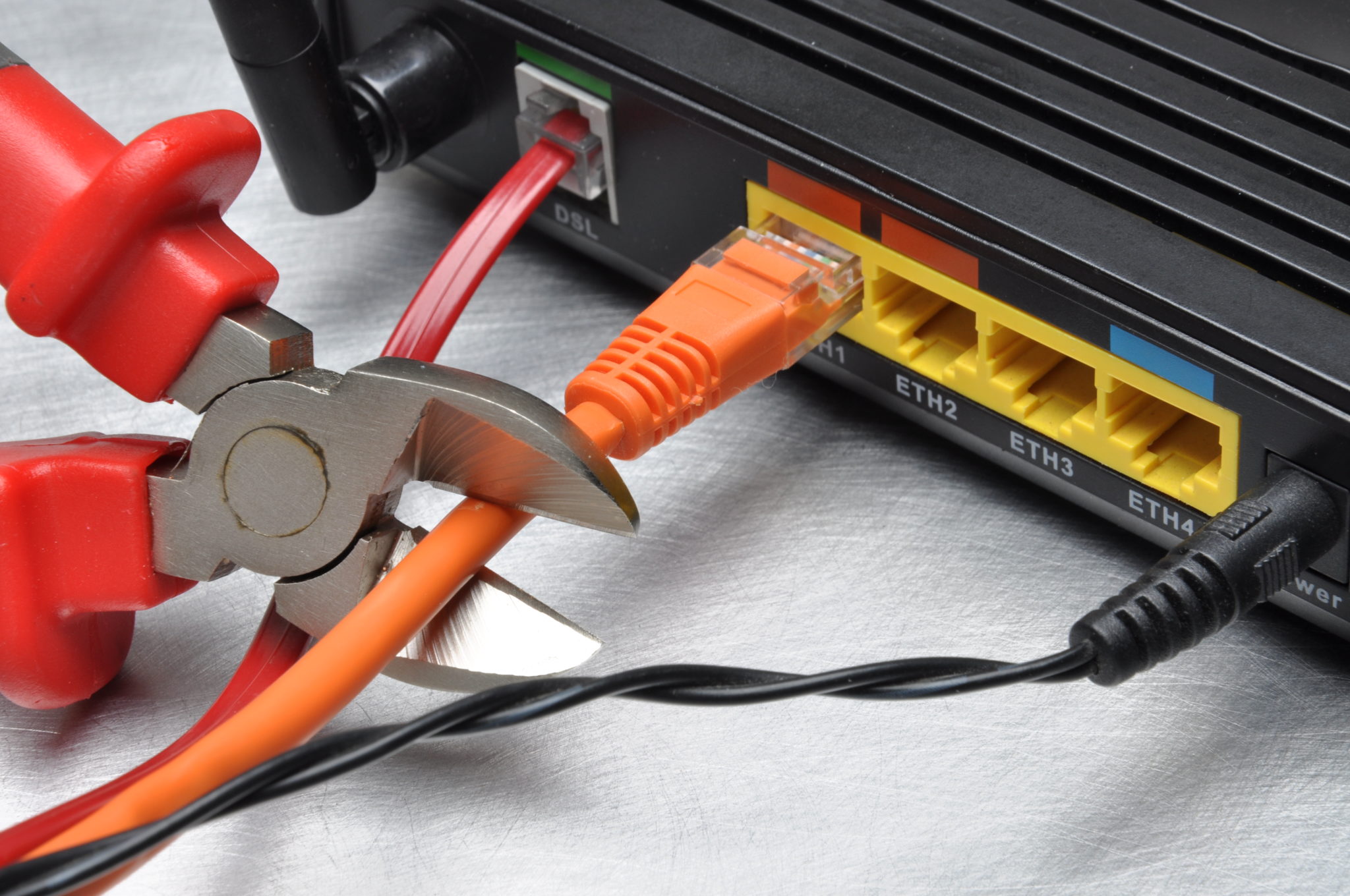
A recent survey conducted by Cord Cutters News among more than 1,000 readers underscores a stark reality for one of the internet’s pioneering broadband technologies. Only 2.4 percent of respondents reported still relying on DSL service, marking what many industry observers describe as the final chapter for a connection method that once bridged the gap between dial-up and modern high-speed access. This decline aligns with major infrastructure changes underway at leading providers, most notably AT&T’s plan to decommission the bulk of its remaining DSL markets by the end of 2029. The move reflects broader industry trends driven by aging copper infrastructure and the push toward more advanced networks capable of delivering the speeds and reliability consumers now expect.
DSL, or Digital Subscriber Line, emerged as a groundbreaking solution in the late 20th century. Its development began in the late 1970s and early 1980s when researchers explored ways to transmit digital data over existing copper telephone wires without disrupting voice calls. Early concepts built on ideas from Integrated Services Digital Network standards proposed around 1984. By the late 1980s, teams at Bellcore and AT&T Bell Labs advanced the technology significantly. Engineers introduced asymmetric designs that prioritized higher download speeds over uploads, recognizing that most users consumed far more data than they produced. Key innovations included discrete multitone modulation techniques, which divided signals into multiple frequency channels for efficient transmission. The first practical asymmetric DSL modems appeared in the early 1990s, with field trials conducted in the mid-1990s. Commercial rollout gained momentum toward the end of the decade, positioning DSL as a practical upgrade from sluggish dial-up connections.
For millions of households, especially in areas without cable infrastructure, DSL represented a revolution. It allowed always-on internet access using the same phone lines already installed in homes, eliminating the need for new wiring. Users could browse the web, check email, and even stream basic video while making phone calls on the same line. Speeds reached several megabits per second initially, a vast improvement over the 56-kilobit-per-second limits of dial-up. During the early 2000s, DSL became a dominant broadband option for many suburban and rural subscribers. Providers expanded service footprints rapidly, and the technology helped fuel the initial explosion of online content, e-commerce, and remote work. Variants such as ADSL and later VDSL offered incremental speed boosts, though performance still depended heavily on proximity to a central office or remote terminal. Distances beyond a few thousand feet often resulted in sharply reduced rates.
Yet the technology’s inherent limitations eventually led to its decline. Copper lines are susceptible to interference, weather damage, and signal degradation over distance. As consumer demands grew for gigabit speeds to support 4K streaming, online gaming, video conferencing, and smart home devices, DSL struggled to keep pace. Cable broadband and, more recently, fiber-optic networks delivered exponentially faster and more consistent performance. Fixed wireless and satellite options further eroded DSL’s market share. By the 2010s, many providers had begun de-emphasizing DSL investments, focusing instead on newer deployments.
The Federal Communications Commission has actively supported this transition. In recent actions, the agency streamlined regulations governing the retirement of legacy copper networks, removing bureaucratic hurdles that previously slowed upgrades. These changes aim to accelerate the rollout of fiber-optic infrastructure, which offers virtually unlimited bandwidth and greater resilience. The FCC’s efforts recognize that modern networks better serve public safety, education, and economic opportunities in an increasingly digital world.
For AT&T, the largest provider of legacy DSL service, the 2029 deadline represents a comprehensive overhaul. The company intends to expand its fiber footprint dramatically, targeting tens of millions of additional locations. In areas where fiber deployment proves feasible, customers will transition to ultra-fast, symmetrical connections capable of handling tomorrow’s data needs. However, roughly half of those currently served by DSL in AT&T territories will instead receive the provider’s 5G fixed wireless home internet service. This wireless alternative uses cellular networks to deliver broadband without relying on copper lines, offering respectable speeds for most everyday activities while avoiding the high costs of trenching fiber in challenging geographies.
The shift carries significant implications for consumers. Many longtime DSL users will experience noticeable improvements in speed and reliability, but transitions may require new equipment or adjustments to home setups. Rural and underserved communities, where DSL once filled critical gaps, stand to benefit from expanded wireless coverage, though some may face questions about data caps or signal consistency during peak usage. Overall, the phase-out aligns with national goals to close the digital divide through superior technology rather than prolonging outdated systems.
As DSL enters its twilight, it leaves behind a legacy of accessibility. The technology democratized broadband at a pivotal moment in internet history, enabling an entire generation to go online without massive infrastructure overhauls. Its retirement signals the completion of a long evolution from copper-based connections to a future dominated by fiber, advanced wireless, and beyond. Providers and regulators alike emphasize that the change prioritizes innovation and efficiency, ensuring American households remain competitive in a data-driven economy. While the survey results highlight how few cling to the old standard today, the story of DSL serves as a reminder of how rapidly technology advances—and how swiftly yesterday’s breakthrough becomes today’s relic. For cord cutters and broadband enthusiasts, the end of DSL marks not loss but progress toward faster, more robust internet for all.
Please add Cord Cutters News as a source for your Google News feed HERE. Please follow us on Facebook and X for more news, tips, and reviews. Need cord cutting tech support? Join our Cord Cutting Tech Support Facebook Group for help.