
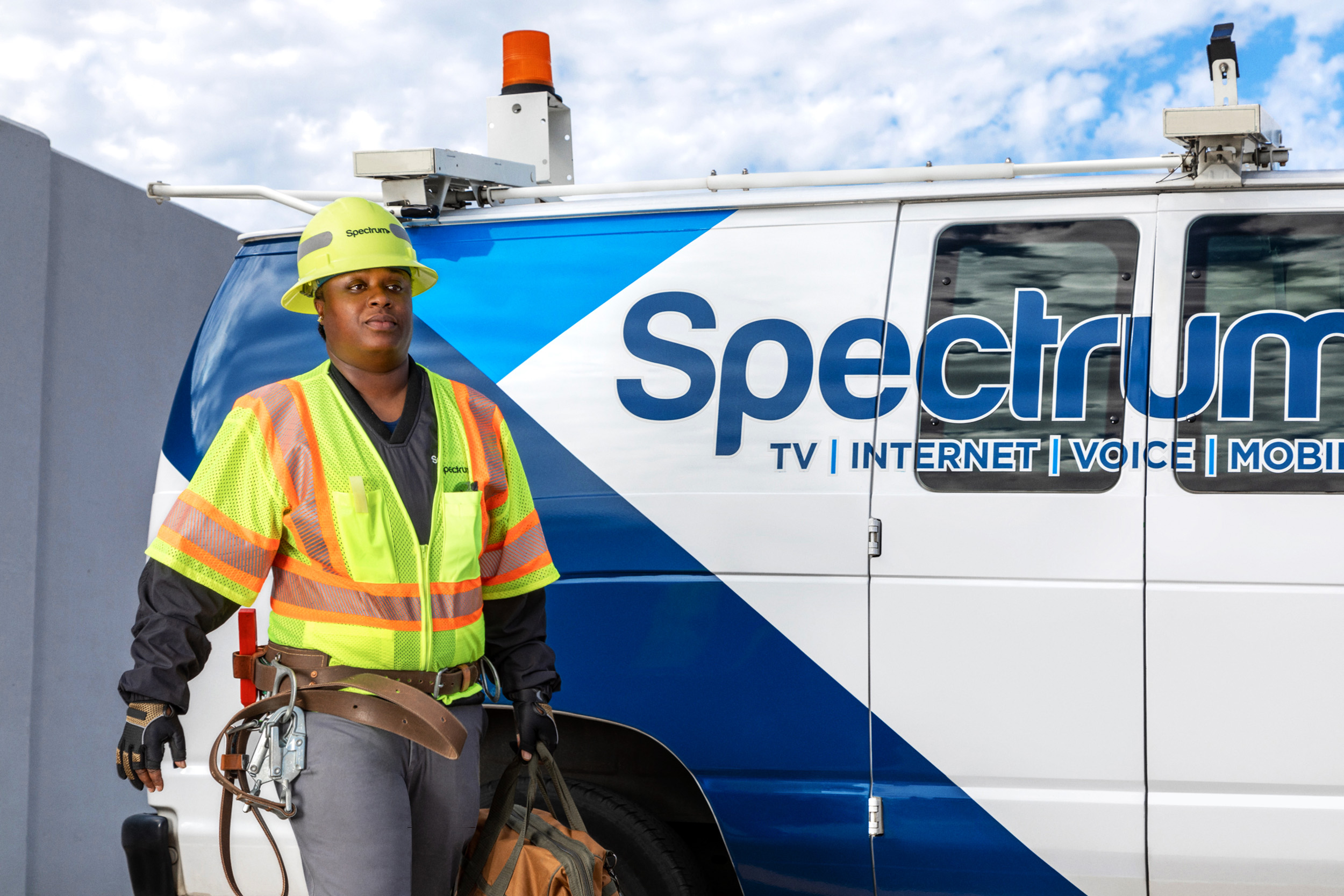
Spectrum, the consumer brand of Charter Communications, continues to pursue an aggressive strategy of growth through mergers and acquisitions in the cable television sector, positioning itself as a leading consolidator amid intensifying competition from streaming services, fiber providers, and wireless alternatives. During its first-quarter 2026 earnings call last week Friday, company leadership highlighted a clear openness to additional cable deals, provided that market conditions and valuations align favorably. This stance underscores a long-term vision of building greater operational scale to drive efficiencies, invest in advanced infrastructure, and strengthen competitive positioning against both traditional rivals and emerging disruptors in broadband and video services.
The latest signal of Spectrum’s acquisitive appetite comes as the company nears completion of its transformative combination with Cox Communications, a deal announced in May 2025 and valued at approximately $34.5 billion. Regulatory clearances from federal authorities and most state commissions have been secured, with only California remaining under review for the roughly one-fifth of Cox’s service territory located there. Executives anticipate finalizing the transaction by summer 2026, after which the combined operation will operate under the Cox corporate name but adopt Spectrum’s branding and customer offerings in former Cox markets. This integration will involve migrating subscribers to Spectrum’s bundled packages, including mobile services, while leveraging Charter’s management expertise to enhance service quality and long-term subscriber retention. The move will significantly expand Spectrum’s national footprint without overlapping territories, creating one of the largest broadband and cable providers in the United States and enabling substantial cost synergies estimated in the hundreds of millions of dollars annually.
This pending transaction fits squarely into Spectrum’s established playbook of expansion via targeted purchases. The company’s modern identity as a cable powerhouse traces back to its foundational growth phase in the 1990s. Founded in 1993 in St. Louis, Charter quickly built its portfolio through a series of regional cable system acquisitions across multiple states, capitalizing on opportunities to consolidate fragmented local operators. By the late 1990s, under the influence of investor Paul Allen, the company accelerated its pace, completing numerous deals that added millions of subscribers and propelled it into the ranks of major multi-system operators. These early efforts laid the groundwork for nationwide ambitions by focusing on contiguous markets and operational efficiencies.
The most pivotal chapter in Spectrum’s acquisition history unfolded in 2016 with the completion of its mergers involving Time Warner Cable and Bright House Networks. Valued collectively in the tens of billions of dollars, these deals represented a landmark consolidation that more than tripled Charter’s subscriber base overnight. The integration created a unified platform serving over 25 million customers across 41 states, rebranded entirely under the Spectrum banner to streamline marketing and customer experience. Post-merger, the company invested heavily in network upgrades, including expansions of high-speed internet offerings and enhanced video packages, which helped it climb to become the largest cable operator in the country, jumping Comcast. This comes as Spectrum has slowly been buying up multiple small cable TV companies around the United States. The strategy emphasized geographic clustering to reduce costs and improve service delivery, setting a template for future growth.
More recently, Spectrum has maintained momentum with strategic moves such as its 2024 acquisition of Liberty Broadband, an all-stock transaction that simplified ownership structures and aligned interests with key industry stakeholders. Additional smaller deals, including the earlier purchase of Optimum West assets, have further refined its regional presence and technological capabilities. These transactions have consistently aimed at bolstering broadband dominance, as cable operators face mounting pressure from cord-cutting trends and alternative technologies like 5G wireless home internet access and Starlink. In the first quarter of 2026 alone, Spectrum reported modest losses in both broadband and video subscribers, reflecting broader industry headwinds that make scale even more critical for sustaining capital investments in multi-gigabit networks and competitive mobile bundles.
The broader implications extend to consumers and communities served by these networks. Larger consolidated entities often commit to infrastructure upgrades that deliver faster internet speeds and more reliable service, though challenges around pricing transparency and rural coverage persist. For Spectrum, the drive toward further acquisitions reflects confidence in its model of operational excellence and customer-focused innovation, even as it contends with quarterly fluctuations in subscriber metrics. With the Cox deal on track to close soon, the stage appears set for Spectrum to evaluate the next phase of its expansion, reinforcing its role as a dynamic force in American telecommunications.
Please add Cord Cutters News as a source for your Google News feed HERE. Please follow us on Facebook and X for more news, tips, and reviews. Need cord cutting tech support? Join our Cord Cutting Tech Support Facebook Group for help.