
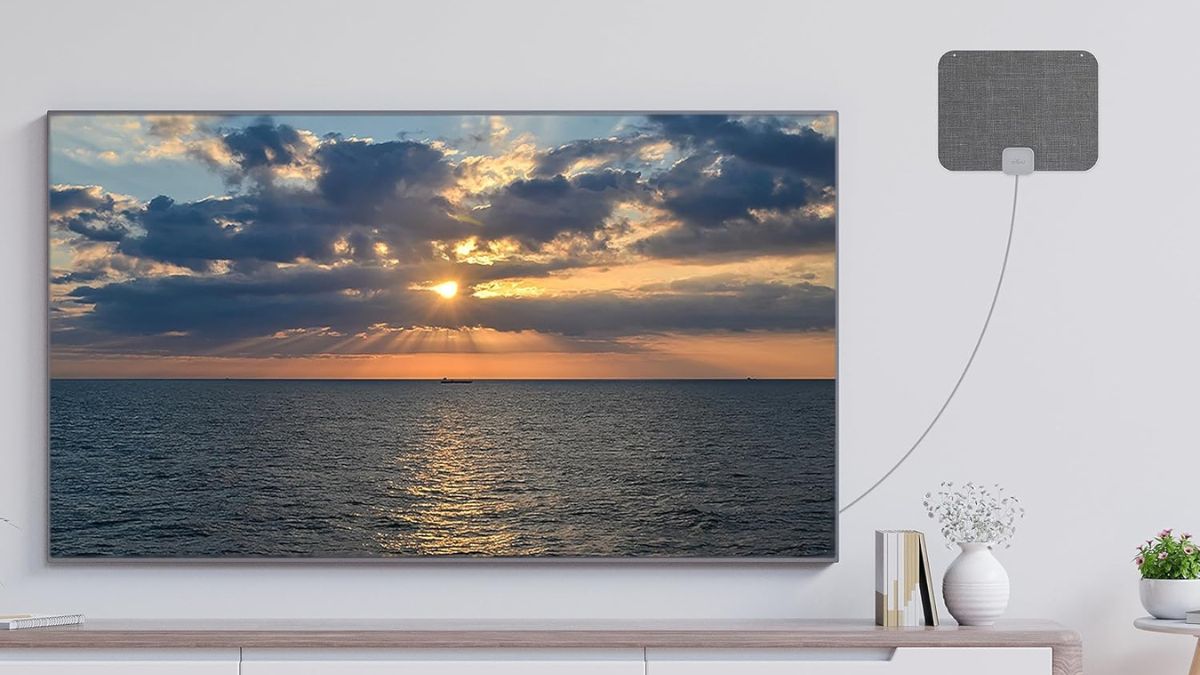
Sinclair Broadcast Group has launched an ambitious consumer education campaign in Columbus, Ohio, aimed at encouraging viewers to transition to NextGen TV, the advanced broadcasting standard known as ATSC 3.0. The initiative, announced on June 2, 2026, represents a significant push by the media company to boost awareness and accelerate widespread adoption of the technology, which promises to transform free over-the-air television.
The campaign integrates multiple elements designed to guide consumers through the upgrade process. At its core is a dedicated microsite tailored specifically for the Columbus market. This online resource functions as a comprehensive hub, offering tools for checking signal availability by ZIP code, detailed guidance on equipment compatibility, step-by-step instructions for setting up devices, and recommendations for compatible televisions, antennas, and converter boxes. By simplifying technical information, the effort seeks to eliminate barriers that might otherwise discourage viewers from making the switch.
To further incentivize participation, the campaign includes limited-time giveaways of converter boxes and antennas in partnership with Channel Master. These promotions run through July 3 and aim to provide hands-on access to the new technology for selected participants. On-air segments and digital promotions across Sinclair’s local stations will complement these efforts, highlighting practical benefits and demonstrating how viewers can incorporate NextGen TV into their homes.
NextGen TV builds upon traditional broadcasting by delivering substantial improvements in viewing quality and functionality. The standard supports enhanced picture resolution with better contrast and color accuracy, often reaching levels that approach or match ultra-high-definition experiences. Immersive audio features create a more engaging soundscape, while interactive elements allow for personalized content delivery and additional information layers during programs. Reception becomes more reliable, even in challenging environments, and the system incorporates advanced emergency alerting capabilities that can deliver targeted, timely information to specific communities.
Columbus was selected as the launch market due to its engaged sports audience, shifting viewing habits among residents, and Sinclair’s established local station presence. The area offers an ideal testing ground where local programming, news, and live events can showcase the advantages of the new standard. Broadcasters like Sinclair view ATSC 3.0 as a way to future-proof free television amid competition from streaming services, ensuring that over-the-air signals remain relevant by merging traditional broadcast strengths with modern digital capabilities.
The transition to ATSC 3.0 involves more than just better pictures and sound. The technology uses an Internet Protocol foundation similar to streaming platforms, enabling hybrid services that blend over-the-air broadcasts with broadband enhancements. This could lead to features such as on-demand access to recent programs, customized recommendations, and expanded multicast channels without requiring subscriptions. Mobile reception also improves, allowing viewers to access content on portable devices while maintaining the no-monthly-fee model that has long defined antenna television.
For consumers, upgrading typically requires a NextGen TV-compatible television or an external converter paired with a suitable antenna. Many newer smart TVs already include the necessary tuners, though older models may need additional hardware. Compatibility checks through the campaign’s resources help households determine the most cost-effective path forward. Sinclair emphasizes that the change maintains backward compatibility during the rollout period, so viewers can continue receiving current signals while exploring the upgraded options.
Industry-wide, ATSC 3.0 deployment continues to expand across major markets. Sinclair has activated the service in dozens of cities, positioning itself as a leader in the shift. The technology’s efficiency allows stations to allocate bandwidth more flexibly, potentially supporting higher quality feeds or additional programming streams. Enhanced public safety features, including geo-targeted alerts that can wake devices during emergencies, add another layer of value beyond entertainment.
Challenges remain in consumer adoption. Awareness of the new standard varies, and some households hesitate due to perceived complexity or equipment costs. Campaigns like the one in Columbus address these concerns directly by providing clear education and tangible incentives. As more broadcasters join the transition, the collective push could normalize NextGen TV as the default for free television, much like the earlier digital switchover years ago.
Sinclair’s broader strategy reflects confidence in ATSC 3.0’s potential to revitalize local broadcasting. By investing in education and promotion, the company aims to demonstrate that the upgrade delivers immediate and long-term benefits. Viewers in Columbus and eventually other markets stand to gain sharper visuals, richer audio, and interactive experiences while preserving the accessibility of over-the-air signals. As the campaign unfolds, it will test how effectively targeted outreach can drive meaningful adoption rates in a competitive media landscape.
The initiative underscores a pivotal moment for broadcast television. With streaming services dominating many households, NextGen TV offers a compelling counter by enhancing free options with premium features. Successful rollout in Columbus could serve as a model for similar efforts elsewhere, encouraging other broadcasters to prioritize consumer education. For now, residents in the area have access to resources and promotions that make exploring the technology straightforward and potentially rewarding. The coming weeks will reveal how many take advantage of the opportunity to upgrade their viewing experience.
Please add Cord Cutters News as a source for your Google News feed HERE. You can watch today’s top cord cutting stories on our YouTube channel HERE. Please follow us on Facebook and X for more news, tips, and reviews. Need cord cutting tech support? Join our Cord Cutting Tech Support Facebook Group for help.