
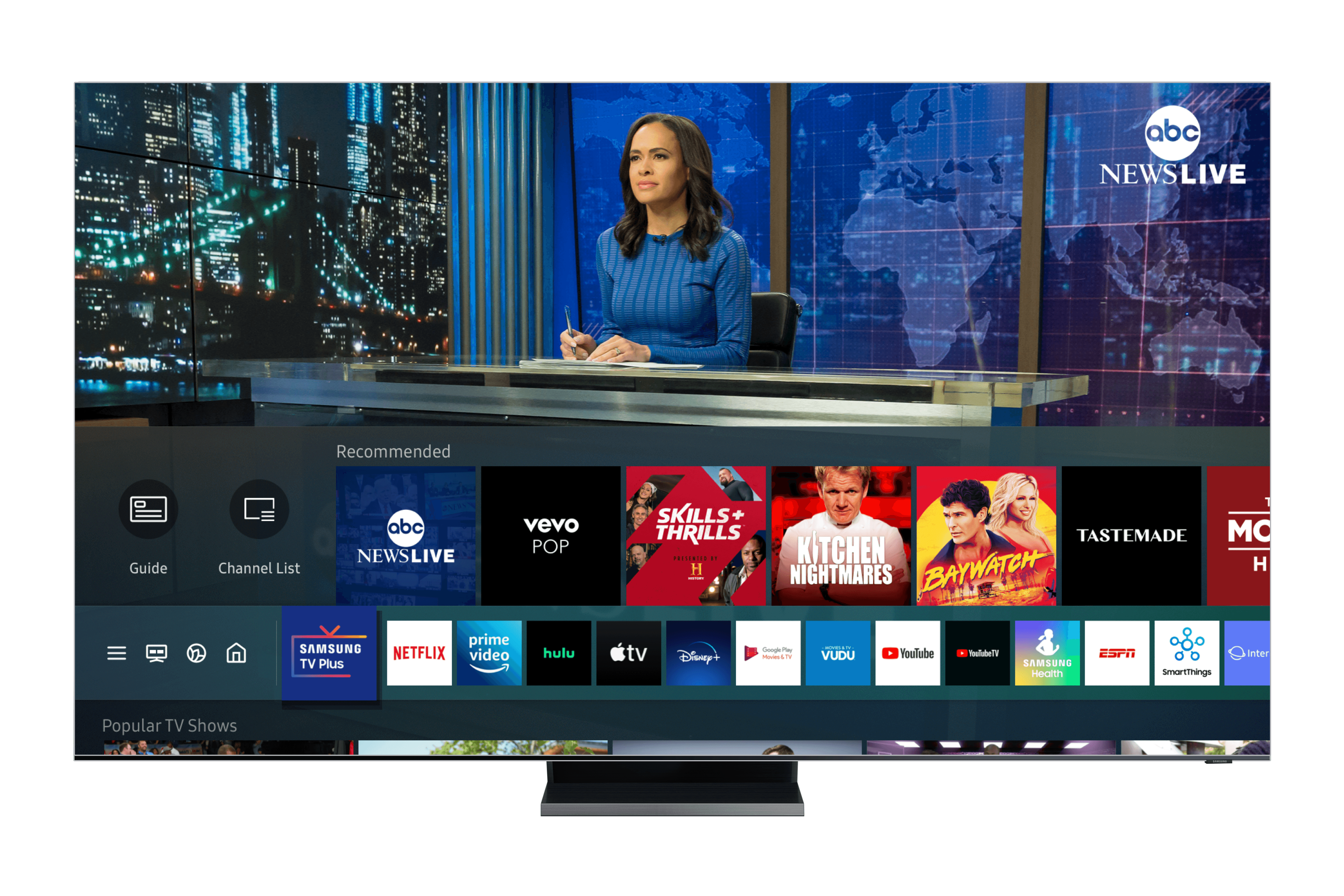
In a move that underscores ongoing challenges in the television industry, Samsung has confirmed it will once again omit ATSC 3.0 tuners from its OLED TV models in 2026, as first spotted by PCWorld. This decision follows a similar exclusion in the 2025 lineup, marking the second consecutive year without the advanced broadcast technology in the company’s premium OLED sets. The shift highlights broader hesitations among major manufacturers to fully embrace the NextGen TV standard, amid patent disputes and uneven market adoption.
ATSC 3.0, also known as NextGen TV, represents a significant upgrade over the traditional ATSC 1.0 broadcast system. It enables over-the-air transmission of 4K content with high dynamic range, improved audio quality, and interactive features that blend broadcast with internet connectivity. These capabilities promise better reception in challenging environments and enhanced emergency alerts, potentially revitalizing free broadcast television in an era dominated by streaming services.
Samsung first halted inclusion of ATSC 3.0 tuners in its OLED TVs in 2024, extending the omission through 2025 due to escalating patent licensing issues. For 2026, models like the S95H continue this trend, as the company navigates a patent licensing conflict that has prompted it to prioritize other features over built-in NextGen compatibility. Instead, Samsung reserves ATSC 3.0 support for its Neo QLED line, which caters to consumers seeking the technology in higher-end quantum-dot LED displays. This selective approach allows the company to maintain some presence in the NextGen ecosystem without committing across all product categories.
The decision aligns with patterns seen among other leading TV makers. LG, a key player in OLED technology, ceased incorporating ATSC 3.0 tuners entirely after losing a patent lawsuit in 2023, which involved disputes over intellectual property essential to the standard. The legal battle, centered on claims by Constellation Designs, resulted in a multimillion-dollar verdict and prompted LG to suspend NextGen TV support in its U.S. models starting in 2024. This exit has raised concerns about the viability of ATSC 3.0, as broadcasters worry that reduced tuner availability could hinder widespread adoption.
Similarly, brands like TCL and Sony have adopted a cautious stance, limiting ATSC 3.0 to their flagship or premium tiers rather than making it standard across mid-range offerings. Most TCL sets focus on affordability and streaming integration, reserving advanced broadcast features for top models to control costs. Sony follows suit, incorporating the tuner primarily in high-end series where consumers expect cutting-edge specs. This tiered strategy reflects the added expense of ATSC 3.0 hardware, which can increase production costs by 20-30 percent compared to basic tuners, deterring inclusion in budget-friendly lines.
For consumers, Samsung’s choice means those eyeing 2026 OLED TVs will need external solutions, such as dedicated tuner boxes compatible with NextGen signals, to access the format’s benefits. Devices from companies like ADTH or ZapperBox offer workarounds, but they add extra setup and expense, potentially discouraging casual users from exploring over-the-air 4K broadcasts. In markets where ATSC 3.0 is available—now covering over 75 percent of U.S. households—the absence of built-in support in popular OLED models could slow the standard’s momentum, as viewers stick to streaming for high-quality content.
Industry analysts see this as part of a larger stall in ATSC 3.0’s rollout. Despite promises of interactive programming and targeted advertising, limited tuner penetration has kept interactive features underdeveloped. Broadcasters continue to simulcast signals in both old and new formats, but without broader manufacturer buy-in, the full potential remains untapped. Efforts to introduce low-cost converter boxes in 2026 aim to bridge the gap, mimicking the digital transition of the 2000s, but success depends on resolving patent hurdles and boosting consumer demand.
Samsung’s ongoing exclusion underscores the tension between innovation and practical challenges in the TV sector. As patent wars persist and costs weigh on decisions, the path to a fully NextGen-enabled future appears longer than anticipated. Consumers prioritizing broadcast capabilities may gravitate toward Samsung’s Neo QLED alternatives or competitors’ high-end sets, while the industry watches for regulatory interventions that could accelerate adoption.
Please add Cord Cutters News as a source for your Google News feed HERE. Please follow us on Facebook and X for more news, tips, and reviews. Need cord cutting tech support? Join our Cord Cutting Tech Support Facebook Group for help.