
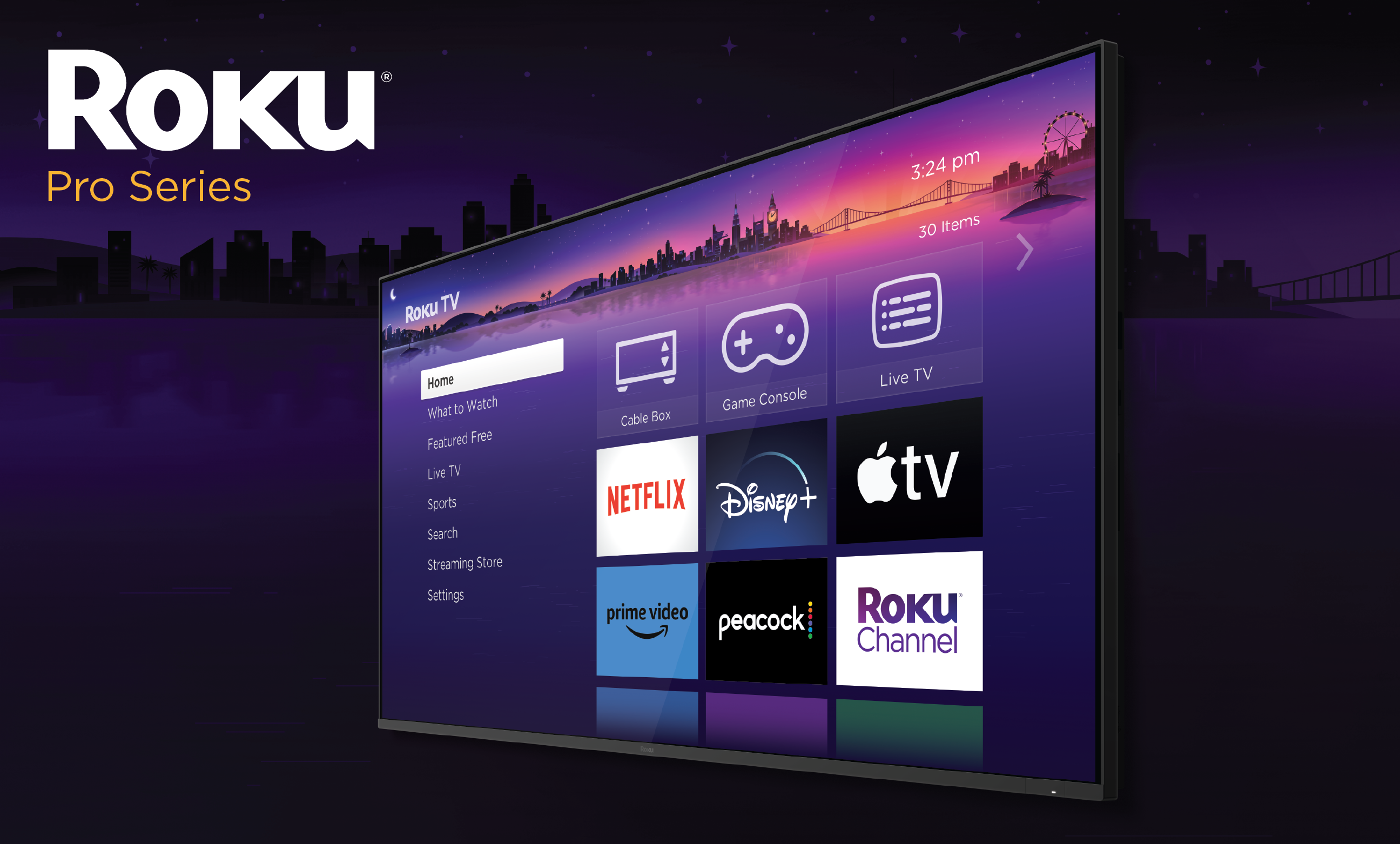
As President Donald Trump’s sweeping tariff policies reshape global trade in 2025, Roku, the Silicon Valley-based streaming technology giant, could emerge as an unexpected victor. With the company already shifting production of some devices—including the newly launched 2024 Roku Ultra—to Vietnam, Roku is strategically positioned to sidestep the steep 34% tariffs hammering competitors reliant on Chinese manufacturing. Meanwhile, Vietnam’s offer to eliminate all tariffs on U.S. imports, coupled with expectations of an imminent trade deal, could soon make Roku’s Vietnam-made devices tariff-free in the U.S., giving it a significant edge in the fiercely competitive streaming player market.
Trump’s tariff regime, enacted earlier this year, slapped a 34% duty on goods from China—where most streaming players are still produced—driving up costs that many expect will trickle down to consumers. In contrast, Roku began relocating some of its manufacturing to Vietnam in recent years, a move initially aimed at diversifying supply chains amid earlier U.S.-China trade tensions. The 2024 Roku Ultra, a flagship device boasting upgraded processing power and enhanced 4K streaming, is among the products now rolling off Vietnamese assembly lines. If Vietnam secures a deal to drop its tariffs to zero, as hinted in recent talks between Trump and Vietnamese leader To Lam, Roku’s devices could enter the U.S. market duty-free, allowing the company to undercut rivals on price.
The timing aligns with a holiday sales surge, with industry watchers predicting that tariff-driven price hikes on Chinese-made streaming players—potentially adding $10 to $20 per unit—could push budget-conscious shoppers toward Roku’s offerings for the streaming players Roku has already moved to Vietnam.
Vietnam’s tariff gambit adds urgency to the narrative. On April 4, Trump described a “very productive” call with To Lam, General Secretary of Vietnam’s Communist Party, noting Vietnam’s willingness to slash its tariffs to zero if a reciprocal U.S. deal is struck. With the U.S. currently set to impose a hefty 46% tariff on Vietnamese imports starting April 9 absent an agreement, both sides are motivated to negotiate swiftly.
Roku’s competitors, meanwhile, remain tethered to China, where manufacturing scale and expertise have kept production entrenched despite rising trade risks. Other streaming players could be vulnerable to the 34% tariff bite as Chana has not announced any deals yet.
The stakes are high in a streaming market projected to hit $2.5 billion in U.S. hardware sales in 2025. Roku, already a leader in smart TV operating systems, saw its stock surge 260% in 2019 during Trump’s first-term trade war, thanks to a similar import rush ahead of tariffs. History could repeat itself if a U.S.-Vietnam deal materializes. For now, Roku’s fate hinges on those negotiations—tariff-free success could cement its dominance, while a 46% hit might level the playing field. As Trump’s tariff war unfolds, Roku’s Vietnam bet might just stream it to the top allowing it to sell its players cheaper than others coming from China.
Please follow us on Facebook and X for more news, tips, and reviews. Need cord cutting tech support? Join our Cord Cutting Tech Support Facebook Group for help. You can find Luke on X HERE.