
In the ever-evolving world of cord-cutting, where consumers increasingly ditch traditional cable for more flexible and affordable options, the past week has brought a flurry of significant updates. From legal battles over streaming hardware to abrupt network closures and infrastructure upgrades, these stories highlight the industry’s turbulence as it adapts to shifting viewer habits. Millions of households now rely on over-the-air antennas, streaming devices, and high-speed internet alternatives, making these changes particularly relevant for those seeking to reduce monthly bills without sacrificing content access. As legacy cable models crumble under the weight of declining subscribers, innovative solutions and corporate pivots are reshaping how entertainment reaches living rooms across the United States.
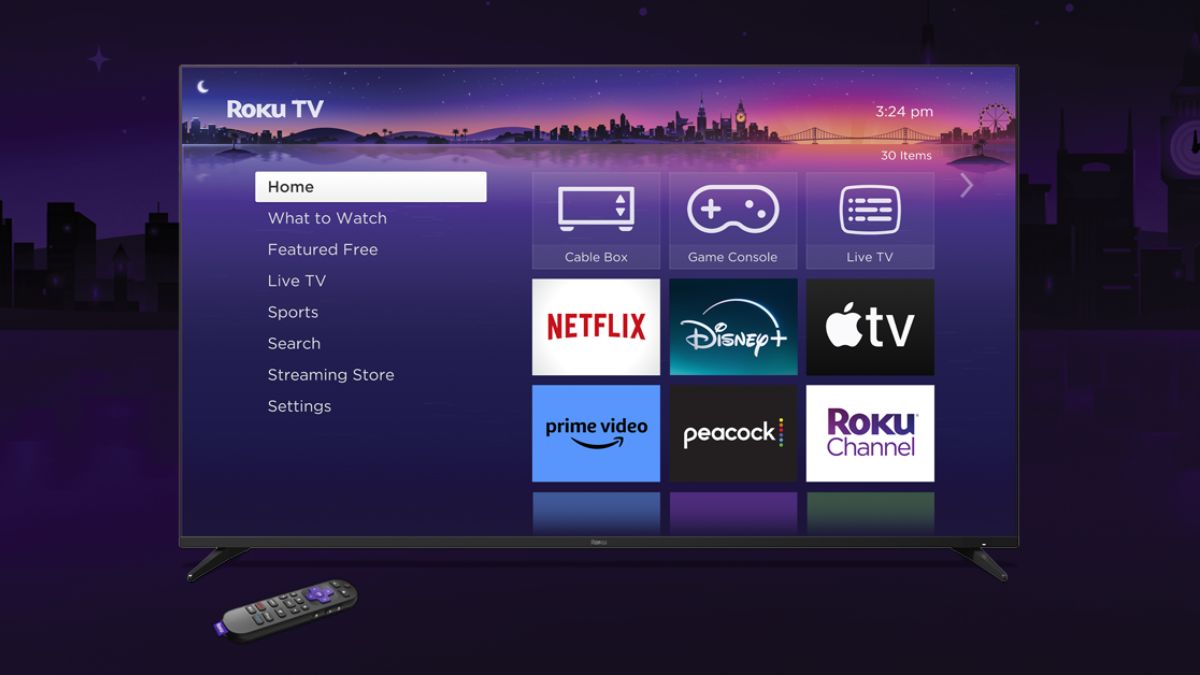
One major headline involves Roku, a key player in the cord-cutting ecosystem with its affordable TVs and streaming sticks. The company is now facing a potential class action lawsuit related to defects in its Roku-branded televisions, many of which are manufactured in partnership with TCL Electronics. Consumers have reported screens suddenly going black while audio continues to play, or displaying flashing lights and white screens, often within the first two years of ownership despite light usage. Troubleshooting steps like power cycling and software updates have proven ineffective in many cases, leaving owners to foot the bill for replacements. The suit points to manufacturing flaws and inadequate warranty coverage, as Roku’s policy excludes display panels, and TCL’s one-year warranty frequently lapses before issues emerge. Manufacturers have largely refused to address the problems outside of warranty periods. For cord-cutters who depend on these budget-friendly smart TVs to access free and subscription-based streaming services, this development raises concerns about device reliability and long-term costs. If the lawsuit advances, affected buyers could receive compensation for their purchases and related expenses, potentially setting precedents for better consumer protections in the streaming hardware market.
Shifting focus to content providers, the cord-cutting trend claimed another victim with the impending shutdown of FanDuel Sports Network, a regional sports broadcaster formerly known under other brands. This network, which covers local games for 29 teams across Major League Baseball, the National Basketball Association, and the National Hockey League, plans to cease operations this spring after failing to find a buyer or secure new funding. The decision follows a bankruptcy filing in March 2025 and missed payments to teams like the St. Louis Cardinals. Declining viewership, driven by widespread cord-cutting, has led to subscriber losses of up to 40 percent in some markets, compounded by unsustainable rights fees and the lingering effects of the COVID-19 pandemic. All nine MLB teams affiliated with the network have ended their agreements, with most transitioning to MLB’s own media production and distribution arm to offer direct-to-consumer streaming options. This move aims to eliminate blackouts and reduce reliance on cable bundles, though it may result in revenue shortfalls for teams. For viewers, the shutdown means scrambling for new ways to watch local sports, accelerating the shift toward league-specific apps and national streaming packages. Employees at the network’s 15 stations face layoffs, underscoring the human cost of these industry changes. Overall, this event signals the end of the traditional regional sports network model, pushing sports consumption further into the digital realm and benefiting cord-cutters with more accessible, blackout-free alternatives.
In a similar vein, Paramount made waves by abruptly terminating one of its television networks without any prior notice. Fave TV, a free over-the-air digital channel available in select markets, stopped broadcasting at 6 a.m. Eastern Time on January 30, 2026. The network, which had operated for about five years, featured reruns from MTV, syndicated sitcoms, and movies. Its website now redirects to Paramount+, the company’s flagship streaming service that bundles content from various brands including CBS, MTV, BET, and Nickelodeon. This sudden closure reflects broader strategies to consolidate resources around paid streaming platforms amid falling linear TV audiences. Viewers who tuned in via antennas have lost a no-cost option, with some local subchannels now reassigned to other networks like Outlaw or 365BLK. For cord-cutters, this highlights the fragility of free broadcast options and encourages migration to subscription-based apps, where similar content remains available but behind a paywall. The move aligns with ongoing efforts to monetize intellectual property through streaming, potentially increasing costs for those avoiding cable but still craving classic shows.
On a more positive note for cord-cutters seeking broadband alternatives, Verizon announced a significant update to its 5G Home Internet service. The company is rolling out backend network optimizations that will automatically reassign internal mobile line numbers used for authentication in customer gateways. This change, set to complete by March 31, 2026, aims to better allocate resources between mobile and fixed wireless services as demand for home internet grows. Subscribers will experience no alterations to speeds, data caps, billing, or Wi-Fi settings, ensuring seamless continuity. Verizon plans to notify customers 24 to 48 hours in advance, and any brief disruptions can be fixed with a simple router reboot. This enhancement builds on recent upgrades like faster tiers and improved equipment, making 5G Home Internet a viable substitute for traditional wired broadband in underserved areas. For those ditching cable bundles that often include internet, this positions Verizon as a stronger contender in the fixed wireless space, offering reliable connectivity for streaming without the need for physical infrastructure installations.
These stories collectively illustrate the dynamic cord-cutting landscape, where hardware reliability, content availability, and internet infrastructure play pivotal roles. As networks fold and companies adapt, consumers gain more tools to customize their viewing experiences, though challenges like unexpected costs and service transitions persist. Looking ahead, these shifts could foster greater innovation, ultimately empowering more households to cut the cord confidently.
Please add Cord Cutters News as a source for your Google News feed HERE. Please follow us on Facebook and X for more news, tips, and reviews. Need cord cutting tech support? Join our Cord Cutting Tech Support Facebook Group for help.