
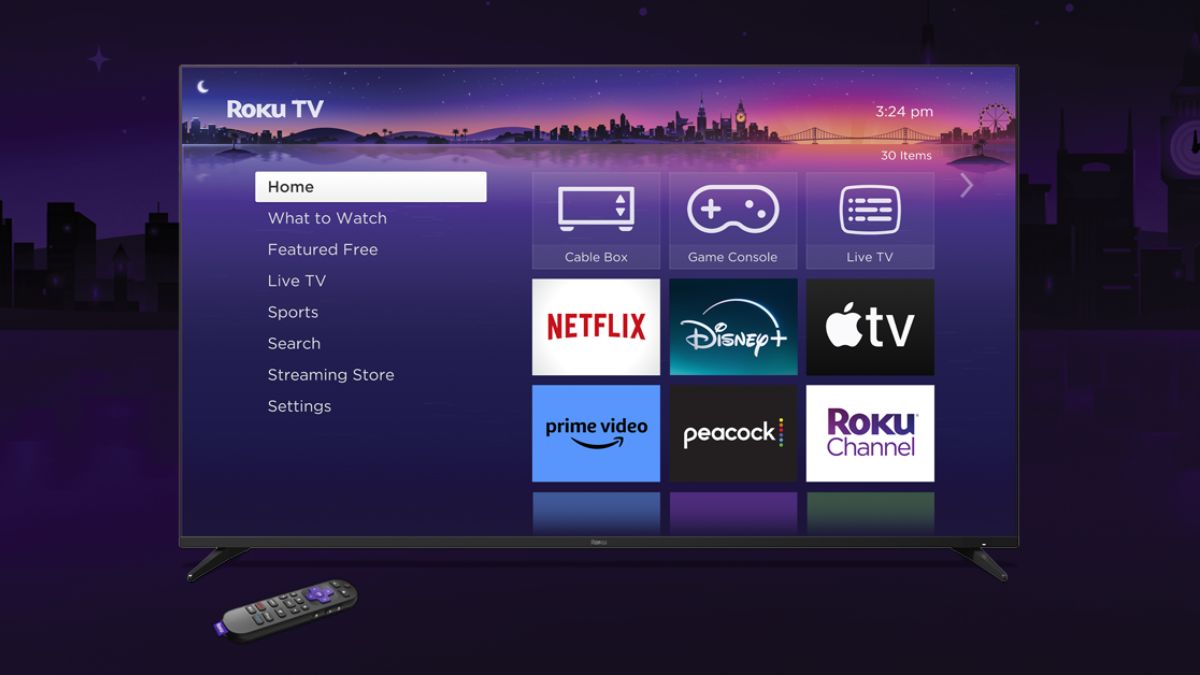
A federal class action lawsuit accuses electronics giants Roku Inc. and TCL North America of marketing and selling smart televisions that stop working properly after receiving automatic software updates. The complaint, filed on behalf of affected consumers across the country, claims that these updates have turned otherwise functional devices into expensive paperweights by causing repeated system crashes, complete black screens, and total loss of operability.
The lead plaintiff, Terri Else, filed the case in the U.S. District Court for the Central District of California under case number 8:26-cv-00748, according to a report from Top Class Actions. She seeks to represent a nationwide class of buyers as well as a separate subclass of California residents who purchased qualifying Roku-powered televisions on or after December 16, 2024. The suit targets Roku Inc. directly and TTE Technology Inc., which operates as TCL North America and manufactures many of the affected models. This is a second attempted class action lawsuit against Roku and TCL over its TVs, with the other lawsuit being over-reported screen malfunctions.
According to the allegations, the companies promoted their smart TVs as reliable entertainment hubs that would improve over time through seamless automatic software updates. These updates were presented as a key selling point, promising enhanced features, better performance, and ongoing compatibility with streaming services. Instead, the lawsuit contends that the software platform was rushed to market without adequate testing, leading to widespread defects that render the televisions unusable. Many devices experience persistent failures shortly after an update installs, leaving owners unable to access apps, stream content, or even power on the set in some cases.
Specific product lines named in the complaint include the Roku Select Series, Roku Plus Series, and various TCL 3-Series, 4-Series, 5-Series, and 6-Series models equipped with Roku operating systems. These televisions have gained popularity in recent years as affordable alternatives to premium brands, appealing to budget-conscious households looking for built-in smart capabilities without additional streaming devices. The suit argues that consumers relied on the manufacturers’ assurances of quality and longevity when making their purchases, only to discover that the very updates intended to enhance the experience instead caused irreversible damage.
The legal filing details how the defective updates allegedly corrupt core system functions, resulting in devices that either fail to boot, display nothing but a black screen, or suffer from severe performance degradation such as constant freezing and disconnection from Wi-Fi networks. Owners report that these problems often emerge within one to two years of purchase, well within the expected lifespan of a modern television. Despite these issues, the companies have not offered comprehensive remedies, according to the complaint, even though express warranties promised to repair or correct software defects.
Beyond the warranty claims, the lawsuit accuses Roku and TCL of violating California’s Unfair Competition Law and Consumers Legal Remedies Act. Plaintiffs argue that the companies knew or should have known about the software flaws based on a steady stream of consumer complaints yet continued to sell the products without proper warnings or fixes. This conduct, the suit maintains, amounts to an unfair and deceptive business practice that misled buyers about the true reliability and value of the televisions.
The case demands multiple forms of relief on behalf of the proposed class members. It seeks declaratory and injunctive measures to force the defendants to address the defects, along with monetary compensation including actual damages, statutory damages, and restitution for the full purchase price of the affected televisions. A jury trial has been requested, signaling the plaintiff’s intent to pursue a full evidentiary hearing if the matter does not settle.
Smart television technology has transformed home entertainment by integrating internet connectivity, app stores, and voice controls directly into the display. However, this reliance on cloud-based software updates creates unique vulnerabilities. When updates fail, consumers cannot simply replace a faulty component; the entire device often becomes inoperable because the core operating system is compromised. Industry observers note that Roku-powered sets dominate the budget smart TV segment, with millions of units sold annually through major retailers. The allegations in this case highlight growing concerns about software quality control in consumer electronics, where manufacturers push frequent updates to add features but sometimes overlook compatibility and stability testing at scale.
If certified, the class action could affect thousands of households nationwide that invested in these televisions expecting years of reliable service. Consumers who purchased a qualifying model during the specified period may eventually be eligible to participate in any resolution or settlement. The lawsuit underscores broader questions about accountability in the connected device market, where software updates are both a convenience and a potential source of significant consumer harm.
As the case proceeds through the federal court system, it will likely draw attention from regulators and consumer advocacy groups monitoring product reliability in the rapidly evolving smart home sector. For now, affected owners are left waiting for answers while dealing with the practical fallout of televisions that no longer function as advertised. The outcome could set important precedents for how electronics companies handle software-related defects in an era when nearly every household device depends on regular digital maintenance.
Please add Cord Cutters News as a source for your Google News feed HERE. You can watch today’s top cord cutting stories on our YouTube channel HERE. Please follow us on Facebook and X for more news, tips, and reviews. Need cord cutting tech support? Join our Cord Cutting Tech Support Facebook Group for help.