
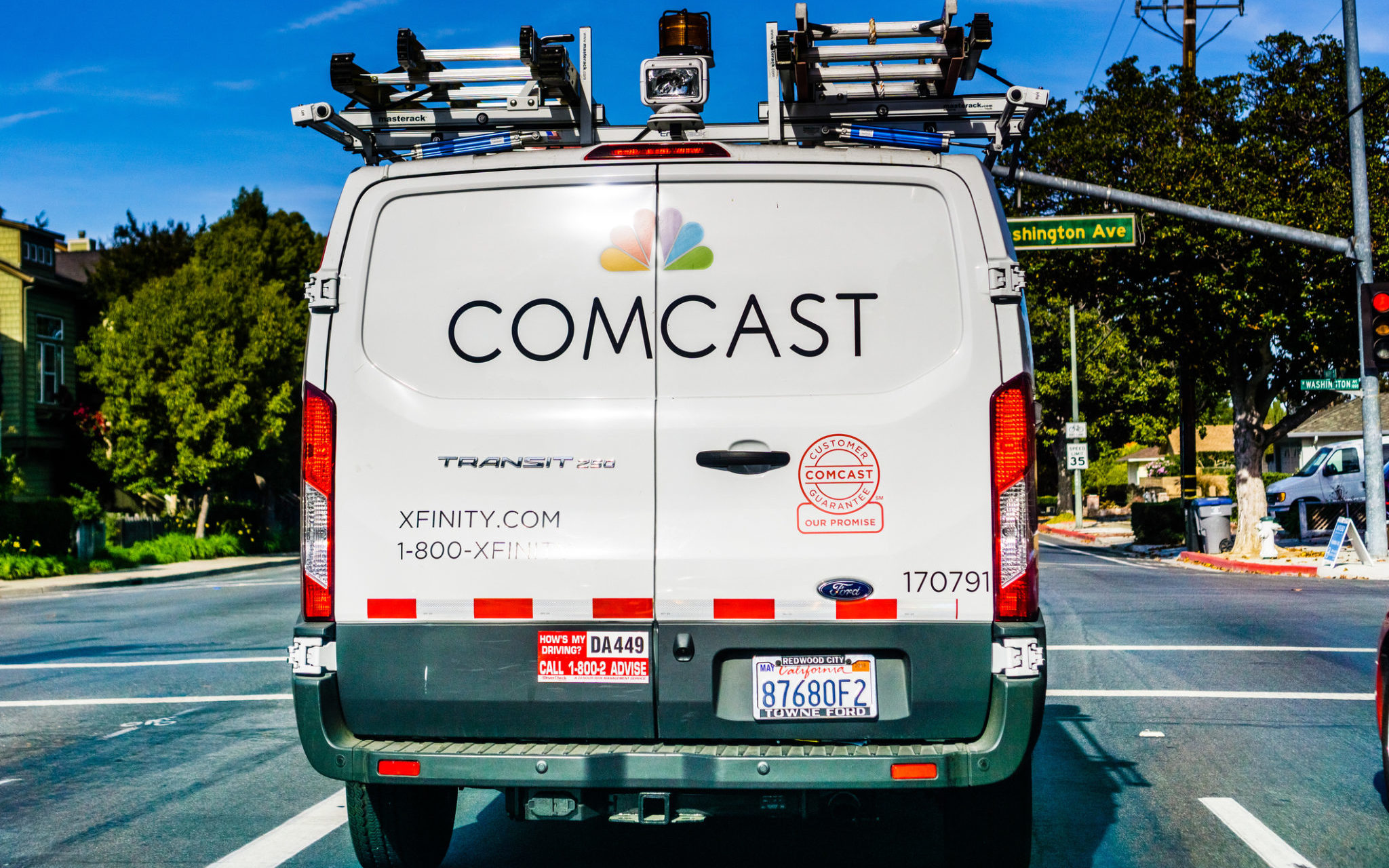
Comcast has turned to federal regulators for help in a growing dispute with Appalachian Power Company, claiming the utility’s practices are stalling critical broadband projects across Virginia. The cable giant argues that unreasonable demands for pole attachment fees are preventing the rollout of high-speed fiber service to thousands of homes and businesses, particularly in underserved rural areas.
The conflict centers on utility poles that Appalachian Power owns and maintains. Many of these structures already carry equipment from other providers and fail to meet current safety or engineering standards. When Comcast seeks to add its fiber lines, the power company has required full upfront payment for replacing those poles, even when the violations existed long before any new attachment request. Industry groups describe this approach as shifting costs unfairly onto new broadband providers for problems they did not create.
This standoff has direct consequences for Virginia’s broadband goals. State officials and federal programs have prioritized expanding internet access to close the digital divide. Comcast received significant funding through the Broadband Equity, Access, and Deployment initiative to serve unserved and underserved locations. Delays in attaching to thousands of poles threaten timelines and budgets for these projects. Higher costs passed along could slow construction, raise expenses for taxpayers supporting the programs, and leave communities waiting longer for reliable high-speed connections.
“Appalachian Power’s efforts to run up the tab for broadband deployment projects has hurt West Virginians and delayed progress on one of our state’s highest public policy priorities – closing the rural digital divide so that all residents have access to the life-changing promise of high-speed internet.” Said Mark Polen, Executive Director of West Virginia Cable Telecommunications Association. “We urge the FCC to enforce the clear, fair cost-sharing standard it established last February in its important decision on pole replacement costs, and to reaffirm that decision as a vital, mandatory precedent with which all pole owners must immediately comply.”
The National Cable and Telecommunications Association has called on the Federal Communications Commission to intervene swiftly. The group highlights that pole access problems represent one of the biggest obstacles to timely and affordable broadband builds nationwide. Rising attachment fees and disputes like this one risk undermining national efforts to connect every American to modern internet service. NCTA members, including major providers, remain committed to deployment but need consistent, fair rules to proceed without unnecessary roadblocks.
In February, the FCC issued a ruling in the initial Comcast versus Appalachian Power case. The commission determined that utilities cannot force new attachers to cover the entire cost of fixing preexisting violations. Instead, new providers should pay only for incremental upgrades needed to accommodate their own equipment, such as a taller or stronger pole section. The order aimed to clarify cost-sharing principles and speed up deployments funded by federal dollars.
Despite that decision, reports indicate ongoing friction. Appalachian Power has continued practices that broadband advocates say ignore or undermine the commission’s guidance. This has prompted fresh appeals for enforcement. Supporters of faster action argue that clear directives from the FCC would not only resolve the Virginia situation but also discourage similar tactics elsewhere. Consistent application of pole attachment rules across states would help maintain momentum on projects tied to federal infrastructure priorities.
Broader context reveals this as part of a recurring industry challenge. Utility poles serve as essential infrastructure for both electric service and communications networks. As demand for fiber grows, more providers compete for space on the same poles. Disputes over make-ready work—the preparations needed before new attachments—frequently arise. Safety standards require poles to support added weight and height without compromising reliability during storms or high winds. When older poles fall short, questions emerge about who bears responsibility for upgrades.
Advocates for reform point out that prolonged disagreements inflate project costs and timelines. In rural Virginia, where terrain can complicate construction, every delay compounds difficulties in reaching remote households. Reliable broadband supports education, healthcare, remote work, and small business growth. Without swift resolution, economic development opportunities could slip away. Virginia authorities have long identified pole-related barriers as a top concern for meeting connectivity targets.
The FCC established an accelerated process precisely for cases like this. The Rapid Broadband Assessment Team handles complaints that threaten active deployment projects. By resolving disputes faster, regulators hope to prevent federal funding from going to waste and keep builds on schedule. The Comcast matter tested this new system and delivered an early precedent, yet calls for stronger follow-through suggest more work remains.
As broadband deployment accelerates nationwide, pole access will likely remain a flashpoint. Utilities and communications companies must balance their needs while serving the public interest. Fair and predictable rules can help align incentives so that infrastructure upgrades benefit everyone. In the meantime, residents in affected Virginia communities continue waiting for the fiber connections that promise to transform daily life and local economies. Resolving this dispute efficiently could set a positive example for similar challenges brewing in other states.
Please add Cord Cutters News as a source for your Google News feed HERE. You can watch today’s top cord cutting stories on our YouTube channel HERE. Please follow us on Facebook and X for more news, tips, and reviews. Need cord cutting tech support? Join our Cord Cutting Tech Support Facebook Group for help.