
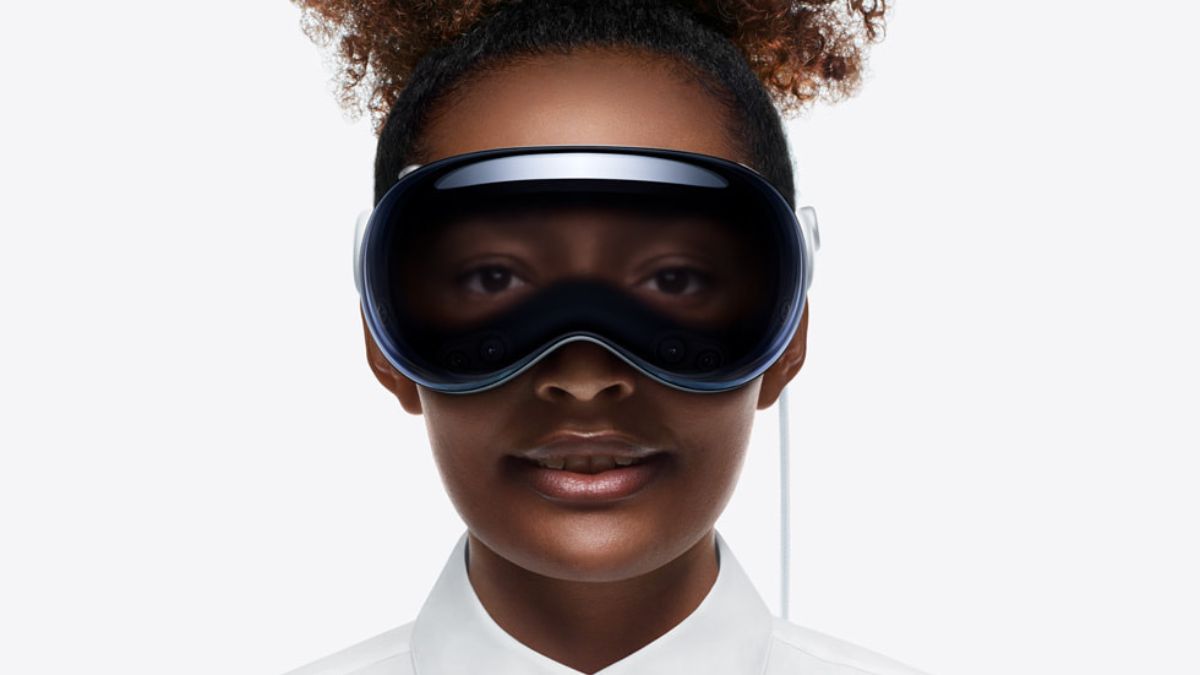
Apple has drastically reduced production of its Vision Pro mixed-reality headset, according to a report by The Information. Citing sources involved in the device’s supply chain, the report claims that Apple could even halt production of the current version by the end of the year.
This news comes as sales of the Vision Pro have reportedly fallen short of expectations. Despite initial excitement surrounding its February launch, the headset’s high price tag – starting at $3,500 in the US – appears to be a major deterrent for consumers. Competition from more affordable alternatives, such as Meta’s Quest 3 headset, priced at around $500, has also likely impacted sales.
The Information reports that Apple’s suppliers have only produced enough components for 500,000 to 600,000 headsets so far. One supplier allegedly suspended production of Vision Pro components as early as May. Furthermore, Apple has reportedly informed its assembler, Luxshare, that it may need to wind down manufacturing in November.
This comes as many have questioned how many average day users there are for a device like this. The hope that this would be the future of how people watch TV has so far not become a reality.
Apple has not yet responded to requests for comment on the report.
This development aligns with previous reports suggesting that Apple is shifting its focus to a more affordable Vision Pro model with fewer features, potentially launching before the end of 2025. The company reportedly suspended work on its next high-end headset to prioritize this more budget-friendly version.
While Apple launched the Vision Pro internationally earlier this year in an attempt to boost demand, it seems the high cost remains a significant barrier to widespread adoption. The company is now facing pressure to find the right balance between innovation and affordability in the rapidly evolving mixed-reality market.
As Apple continues to integrate artificial intelligence into its devices, the future of its mixed-reality ambitions remains uncertain. Whether a more affordable Vision Pro model can capture a larger market share and drive wider adoption of this technology remains to be seen.