
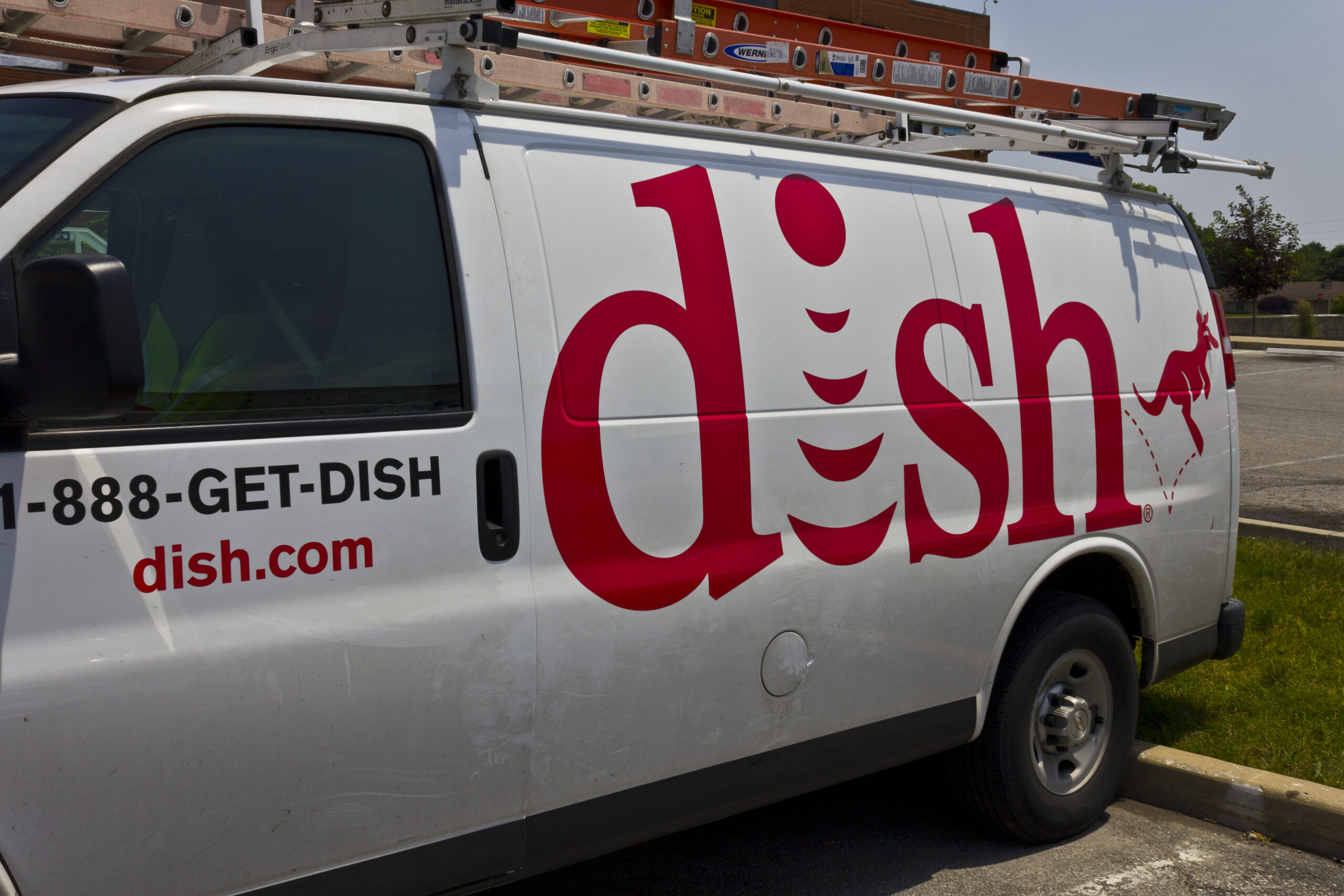
EchoStar Corporation, the owner of the DISH Network satellite television service and the Sling TV streaming platform, continued to experience steep declines in its pay-television customer base during the first three months of 2026. The company reported a net loss of approximately 366,000 pay-TV subscribers for the quarter ended March 31, a figure that marked only a modest improvement from the 381,000 subscribers shed in the same period a year earlier. At the end of the quarter, EchoStar’s combined pay-TV operations stood at 6.63 million subscribers, a sharp contraction that underscores the persistent challenges facing traditional and virtual multichannel video programming distributors amid widespread cord-cutting.
DISH TV, the company’s long-standing satellite service, bore a significant portion of the decline. The service ended the period with 4.84 million subscribers, reflecting a loss of roughly 180,000 customers from the 5.02 million it held at the close of 2025. This drop continued a multi-year trend for the satellite provider, which has struggled to retain households as consumers shift toward more flexible streaming options. Sling TV, EchoStar’s over-the-top streaming service that pioneered affordable live television packages without contracts or satellite dishes, fared little better. The platform closed the quarter with 1.79 million subscribers, down approximately 190,000 from the 1.98 million recorded at year-end 2025. The combined erosion of nearly 370,000 subscribers across both brands highlights how even a leaner, internet-based offering like Sling has not fully insulated the business from broader market pressures.
The subscriber losses translated directly into reduced revenue for the pay-TV segment. EchoStar generated $2.29 billion from its video services in the first quarter, down from $2.54 billion in the prior-year period. The decline reflected not only fewer customers but also the ongoing migration away from higher-priced traditional bundles toward lower-cost streaming alternatives. Despite the revenue shortfall, the company managed to narrow its overall net loss to $146.89 million, or 51 cents per share, compared with a $202.67 million loss in the first quarter of 2025. Adjusted operating income before depreciation and amortization rose to $493.29 million, suggesting some success in cost management even as the core video business contracted.
EchoStar’s challenges mirror those confronting the entire pay-television industry. For decades, DISH built its business on satellite delivery of hundreds of channels to homes without cable infrastructure, particularly in rural areas. Sling TV emerged in 2015 as a disruptive force, offering slimmed-down channel packages starting at low monthly prices and targeting younger viewers who preferred watching on phones, tablets, and smart TVs. Yet the explosion of standalone streaming services from entertainment giants has fragmented the market. Households now routinely subscribe to multiple apps rather than a single pay-TV bundle, leading to what analysts describe as “streaming fatigue” and heightened price sensitivity. Many former DISH and Sling customers have opted instead for services that provide on-demand content without live linear channels.
Beyond video, EchoStar maintains other operations that showed mixed results. Its wireless segment added 16,000 subscribers during the quarter, reaching a total of 7.53 million, while broadband services lost 58,000 customers and stood at 681,000 at quarter-end. Total company revenue fell to $3.67 billion from $3.87 billion a year ago, with the pay-TV contraction representing the primary drag. The company has invested heavily in its wireless network in recent years, positioning itself as a competitor to larger carriers, yet those efforts have yet to fully offset the steady decline in its legacy television business.
The latest figures illustrate the scale of the transformation reshaping home entertainment. Since peaking years ago, DISH and Sling have collectively shed millions of subscribers as Americans embrace greater choice and lower costs through direct-to-consumer streaming. EchoStar’s leadership has emphasized customer loyalty programs and bundled offerings in an attempt to slow the churn, particularly for DISH TV, yet the first-quarter results show the pace of losses remains elevated. With total pay-TV subscribers now below 7 million for the first time in recent memory, the company faces continued pressure to adapt its strategy in a market dominated by agile streaming competitors.
Looking ahead, the subscriber erosion poses risks to EchoStar’s long-term stability in the video space. While the firm has diversified into wireless and satellite broadband, the pay-TV segment still accounts for a substantial share of revenue. Industry observers note that without significant innovation—such as expanded low-cost streaming tiers or deeper integration with emerging technologies—the downward trajectory could persist. For millions of former subscribers, the shift away from DISH and Sling reflects a broader move toward personalized, on-demand viewing that prioritizes convenience over the comprehensive channel lineups once central to American television consumption. EchoStar’s first-quarter performance serves as the latest data point in that ongoing industry evolution.
Please add Cord Cutters News as a source for your Google News feed HERE. You can watch today’s top cord cutting stories on our YouTube channel HERE. Please follow us on Facebook and X for more news, tips, and reviews. Need cord cutting tech support? Join our Cord Cutting Tech Support Facebook Group for help.