
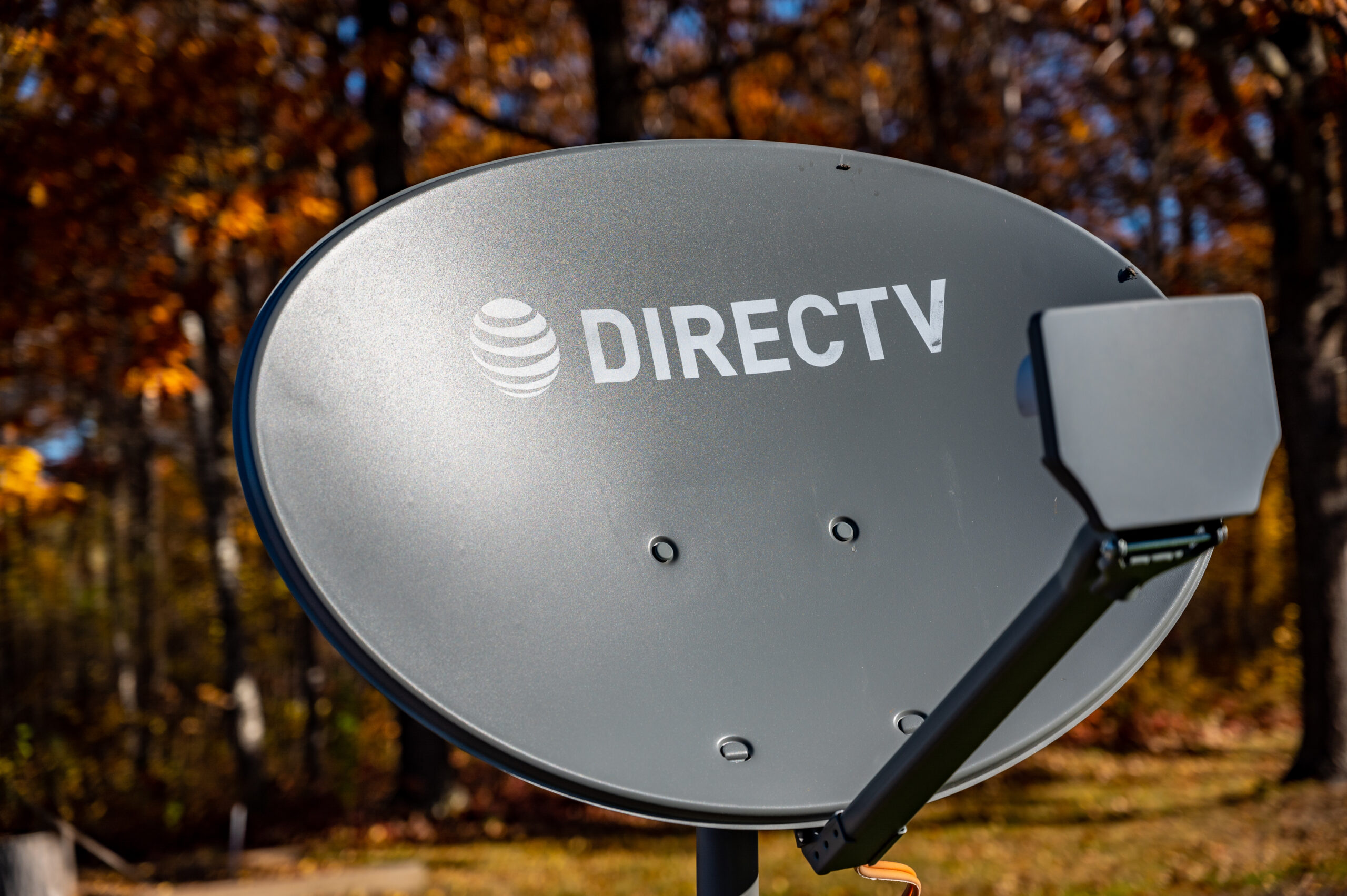
In a significant development within the broadcast television industry, DirecTV has formally asked the Federal Communications Commission to reject a proposed transaction that would allow The E.W. Scripps Company to regain control of 23 local television stations currently held by INYO Broadcast Holdings. The move comes amid broader concerns over media consolidation and its potential effects on competition, consumer choice, and local programming diversity. This all comes as mergers are becoming more common and concerns over mergers related to local ABC, CBS, FOX, and NBC affiliations become more common, but mergers like this of other stations raise concerns.
The stations in question were originally divested by Scripps as part of its 2020 acquisition of ION Media Networks, a deal valued at approximately 2.65 billion dollars. At the time, federal regulators required the sale of these outlets to INYO, a relatively new player in the broadcasting space, to address ownership concentration issues stemming from the combination of Scripps’ existing portfolio with ION’s extensive reach. That divestiture helped Scripps satisfy national television household reach limits while expanding its overall media footprint through the ION transaction. Now, several years later, Scripps is seeking to reverse that step by reacquiring the stations, arguing it would strengthen its operational capabilities and support continued investment in local news and programming.
DirecTV, along with multiple state-level broadband and cable industry associations, submitted detailed comments to the FCC highlighting what they describe as a clear violation of longstanding national ownership caps. Under current rules, no single entity may reach more than 39 percent of U.S. television households, a threshold established by Congress to prevent excessive market dominance. According to analyses presented in the filings, approval of the deal would push Scripps’ coverage to roughly 40.29 percent of households, even after applying the standard UHF discount that provides some relief for stations operating on ultra-high frequency channels. Opponents contend that the FCC lacks the authority to grant waivers for such caps, viewing them as statutory limits rather than flexible guidelines.
The transaction would have far-reaching implications across numerous media markets. It would introduce Scripps-owned stations into nine entirely new local areas where the company currently has no presence. In four additional markets, the acquisition would create fresh duopolies, meaning Scripps would control two stations in the same community. If combined with another pending deal, the structure could result in triopolies—three stations under one owner—in as many as eight markets. Such concentration raises alarms about reduced competition for advertising dollars, potential homogenization of news content, and diminished bargaining power for multichannel video programming distributors like satellite and cable providers when negotiating carriage agreements.
Broadband and cable groups joining DirecTV in opposition represent interests from several states and emphasize the impact on consumers. They argue that greater consolidation could lead to higher retransmission consent fees, which distributors often pass along to subscribers through elevated monthly bills. In an era when viewers already face rising costs for television services amid competition from streaming platforms, further increases could accelerate cord-cutting trends and strain household budgets. Additionally, critics point to risks for independent programming and local journalism, as larger entities might prioritize national network synergies over community-specific coverage.
Scripps, for its part, has framed the reacquisition as a logical step to restore operational efficiencies lost during the earlier divestiture. The company has maintained strong affiliations with the stations through ION network programming and sees reunification as a way to enhance technical infrastructure, expand digital initiatives, and invest in high-quality local content production. Proponents of the deal suggest that modern media landscapes require scale to compete effectively against tech giants and streaming services that dominate audience attention. They also note that the original divestiture was a regulatory necessity rather than a reflection of market failure, and circumstances may have evolved sufficiently to warrant reconsideration.
The FCC opened a pleading cycle following Scripps’ February announcement of its intentions, inviting public comments and replies. Final submissions arrived in mid-June, setting the stage for agency review. Regulators must now weigh the arguments carefully, balancing statutory ownership limits against the evolving dynamics of the television industry. This includes the rise of multicast channels, digital streaming hybrids, and the economic pressures facing traditional broadcasters.
Industry observers anticipate a thorough examination of market data, household reach calculations, and competitive effects. Past FCC decisions on similar waivers have drawn scrutiny, particularly when they appear to stretch interpretive boundaries around congressional mandates. The outcome could influence future transactions involving station groups and set precedents for how ownership caps are enforced in a fragmented media environment.
For DirecTV, the opposition aligns with its broader efforts to manage programming costs and protect subscriber interests. As a major satellite provider serving millions of households, the company has frequently engaged in regulatory advocacy on issues affecting video distribution. Its stance in this matter underscores ongoing tensions between broadcasters seeking consolidation and distributors concerned about leverage imbalances.
The broader context includes shifting viewer habits. Traditional linear television faces challenges from on-demand services, yet local stations remain vital for news, emergency alerts, and community engagement. Any decision by the FCC will likely consider not only numerical ownership thresholds but also qualitative impacts on public interest obligations.
As the review process unfolds, stakeholders across the media ecosystem will monitor developments closely. A denial could preserve the current fragmented structure of the divested stations, while approval might accelerate further consolidation waves. Either path carries consequences for competition, innovation, and the affordability of television services nationwide. The case highlights the complex interplay between regulatory policy and market realities in an industry undergoing profound transformation.
Please add Cord Cutters News as a source for your Google News feed HERE. You can watch today’s top cord cutting stories on our YouTube channel HERE. Please follow us on Facebook and X for more news, tips, and reviews. Need cord cutting tech support? Join our Cord Cutting Tech Support Facebook Group for help.