
A recent comprehensive evaluation of grocery shopping options across the Puget Sound region has revealed significant variations in pricing and quality among major chains and independent stores, according to KOMO News. The analysis, conducted by a nonprofit consumer research organization, examined prices on a standardized basket of 150 common grocery items and gathered customer feedback on aspects such as overall quality, produce freshness, meat selection, and service.
WinCo emerged as the clear leader in affordability, with prices averaging around 24 percent below the regional average across all surveyed stores. This level of savings could translate to substantial annual reductions for typical households, potentially amounting to thousands of dollars for families with regular weekly grocery expenditures in the hundreds. Grocery Outlet followed closely, offering prices approximately 21 percent lower than the average, largely through its model of selling discounted surplus national-brand products, though its inventory can vary unpredictably.
Amazon Fresh and Walmart both provided strong competitive pricing, each coming in about 19 percent below the regional average. These options appeal particularly to shoppers seeking consistent low costs without additional fees or membership requirements. Target and Fred Meyer also delivered notable savings, with prices roughly 14 percent and 10 percent below average, respectively, making them reliable choices for budget-conscious consumers in the area.
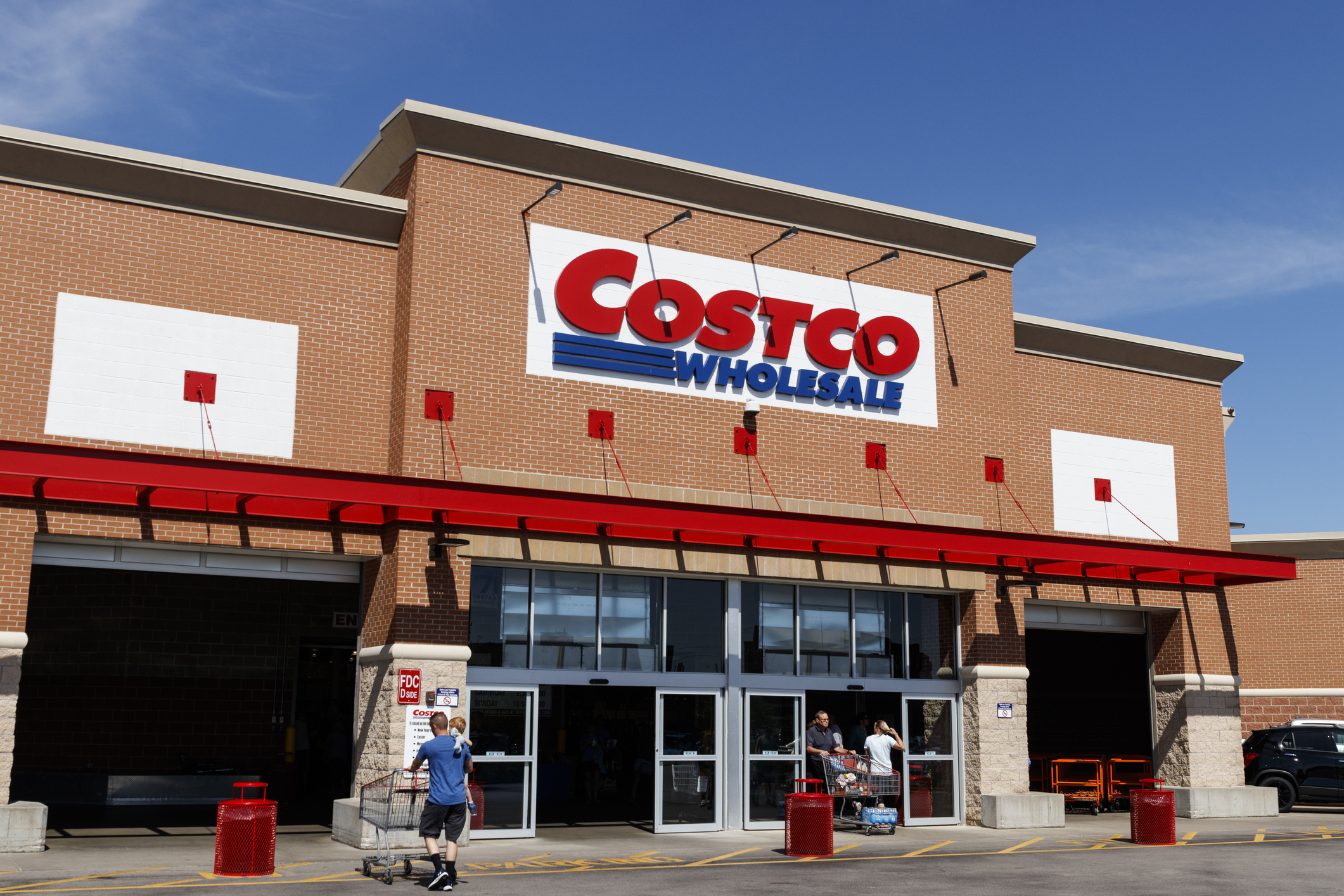
Costco, long regarded as a go-to for bulk savings, continues to offer competitive unit pricing, especially when compared to traditional supermarkets. However, its advantage has narrowed in recent years against non-membership alternatives like WinCo and Walmart. Shoppers who already frequent those stores may find little added benefit in paying for a Costco membership, particularly if their needs align with standard package sizes rather than bulk quantities.
On the quality front, smaller independent and local chains consistently received the highest marks from customers. Establishments such as Central Co-op, Metropolitan Market, PCC Community Markets, Thriftway, and Town & Country earned superior ratings from over 85 percent of respondents in categories including produce quality and overall shopping experience. These stores prioritize fresh, high-standard items, often featuring organic and locally sourced products, which contributes to their strong reputation among discerning shoppers.
Among larger chains, Trader Joe’s stood out with approximately 75 percent of customers rating it superior overall, benefiting from its focused selection, efficient store layouts, and emphasis on unique private-label goods. Costco performed particularly well in meat quality assessments. In contrast, Whole Foods saw its quality perceptions decline somewhat, with ratings falling to around 53 percent superior in overall categories despite its premium positioning.
Traditional supermarket chains like Albertsons, QFC, and Safeway tended to fall in the middle to higher range for pricing, often 1 to 6 percent above the average and significantly more expensive than the low-cost leaders—sometimes by 28 to 37 percent when compared directly to WinCo, Walmart, or Amazon Fresh. These stores generally received lower quality ratings, with fewer than 50 percent of customers describing them as superior.
The evaluation highlights a clear trade-off in the Puget Sound grocery landscape. Stores delivering the deepest discounts typically receive modest or lower marks for quality, while those earning top customer praise for freshness and selection command premium prices. For many shoppers, the optimal approach involves mixing trips—perhaps relying on WinCo, Walmart, or Amazon Fresh for staples and bulk needs, while visiting PCC or Metropolitan Market selectively for higher-quality produce, specialty items, or meat.
This pattern reflects broader trends in grocery retailing, where competition from discount operators and online-integrated models continues to pressure traditional chains. With grocery inflation remaining moderate in recent periods, these differences in pricing provide meaningful opportunities for savings, though quality preferences ultimately guide individual choices in a diverse market that includes warehouse clubs, discount grocers, upscale independents, and mainstream supermarkets.
Please add Cord Cutters News as a source for your Google News feed HERE. Please follow us on Facebook and X for more news, tips, and reviews. Need cord cutting tech support? Join our Cord Cutting Tech Support Facebook Group for help.