
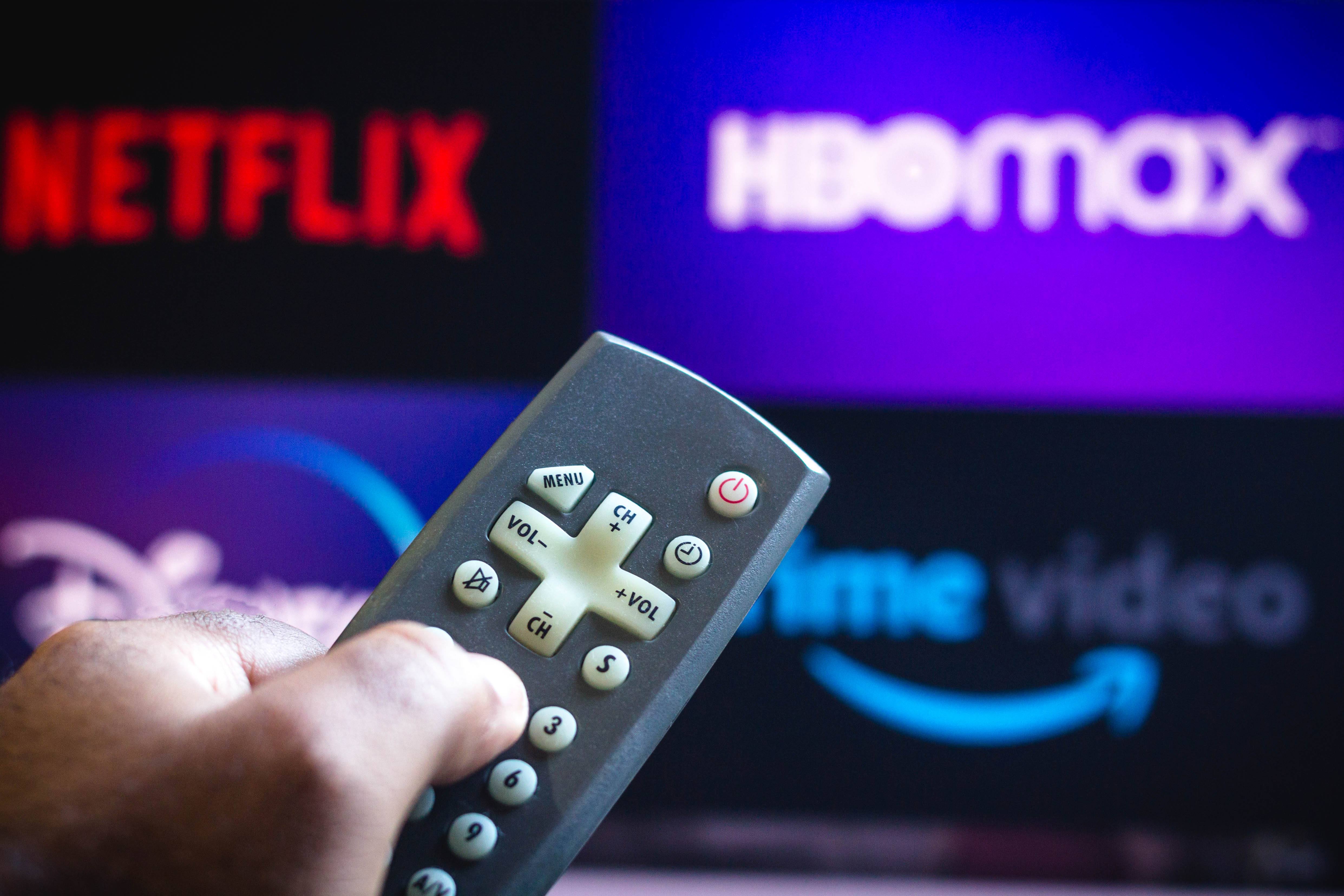
As the media and telecommunications industries continue to grapple with shifting consumer habits, rising content costs, and intensifying competition from streaming giants and wireless providers, several high-profile mergers are reportedly under consideration heading into 2026. These potential deals, though not yet officially announced, could reshape entire sectors by combining complementary assets, achieving economies of scale, and strengthening positions in an increasingly fragmented market. Industry analysts suggest that regulatory scrutiny, economic conditions, and technological advancements will play pivotal roles in determining which combinations move forward.
One closely watched possibility involves Netflix pursuing Lionsgate, the entertainment company behind major film franchises and premium cable networks. Netflix has aggressively expanded its original programming slate while seeking established libraries and production capabilities to sustain subscriber growth amid slowing domestic additions. Lionsgate brings a robust catalog of theatrical releases, television series, and international distribution expertise. A union could accelerate Netflix’s push into theatrical distribution and enhance its appeal to advertisers through targeted content bundles. Observers note that such a move would align with broader trends of streaming services vertically integrating to control more of the content value chain, potentially pressuring smaller studios and independent producers. Challenges could include antitrust reviews focused on market concentration in video entertainment. Netflix publicly denied it, but many reports still suggest it’s possible.
In the audio sector, SiriusXM is said to be exploring an acquisition of iHeartMedia, which would create a dominant force in radio and digital audio. SiriusXM’s satellite radio platform serves millions with premium, ad-light experiences, while iHeartMedia operates a vast network of terrestrial stations, podcasts, and digital platforms reaching broad audiences. Combining these would yield unparalleled scale in advertising sales, data analytics for personalized audio experiences, and cross-promotion opportunities. The audio industry faces headwinds from podcast competition and declining traditional radio listenership, making consolidation attractive for cost efficiencies and innovation in connected car integrations. Preliminary discussions have highlighted synergies in live events and music discovery, though valuation differences and regulatory hurdles around media ownership caps could complicate progress.
On the cable and broadband front, Comcast is reportedly evaluating a bid for Spectrum parent Charter Communications. This potential tie-up would consolidate two of the nation’s largest cable operators, creating a behemoth with enhanced geographic coverage, upgraded infrastructure for high-speed internet, and stronger negotiating power with content providers. Comcast’s established Xfinity brand and Charter’s Spectrum services overlap in video, broadband, and mobile offerings, promising operational savings through network sharing and reduced capital expenditures on fiber deployments. The deal could accelerate the rollout of advanced services like 10-gigabit internet and smart home integrations. However, past regulatory interventions in cable mergers suggest intense scrutiny from authorities concerned about reduced competition in local markets and impacts on consumer pricing. Recent industry moves, including Charter’s own acquisitions, underscore the urgency for scale in competing against fixed wireless and fiber providers.
Meanwhile, DIRECTV’s potential full integration or expansion involving DISH Network continues to generate interest, building on earlier agreements that have already brought the satellite providers closer. With both companies managing large subscriber bases for pay-TV services, further consolidation could streamline satellite operations, reduce overhead in a cord-cutting era, and bolster their positions against streaming alternatives. Combined resources might support hybrid satellite-broadband bundles and improved rural coverage. The evolving landscape of video distribution, where traditional linear TV loses ground to on-demand platforms, makes such efficiencies critical for sustaining profitability. Debt management and spectrum assets could factor heavily into any deepened partnership.
These rumored deals reflect a broader wave of consolidation driven by several factors. Escalating production costs for high-quality content and sports rights have squeezed margins, encouraging companies to pool resources. Technological convergence—such as 5G-enabled streaming, AI-driven personalization, and connected devices—favors larger entities capable of investing heavily in R&D. Shifting consumer preferences toward bundled offerings that mix video, audio, broadband, and mobile services also incentivize cross-industry combinations.
Regulatory environments remain a key variable. Antitrust bodies have grown more attentive to market power in digital media, yet they have approved several large transactions in recent years when demonstrable consumer benefits, like improved service quality or innovation, are evident. Global economic uncertainty, including interest rates and inflation, could influence financing and valuations, with stronger balance sheets providing advantages to acquirers.
For investors and consumers alike, 2026 promises to be transformative. Successful mergers could deliver cost savings passed along in the form of competitive pricing or enhanced features, but they also risk reduced choices if not carefully structured. Smaller players may seek niche strategies or partnerships to remain competitive. As boardrooms deliberate and advisors crunch numbers, the outcomes of these potential transactions will likely set the tone for industry structure well into the next decade, underscoring the relentless pace of evolution in media and communications.
Please add Cord Cutters News as a source for your Google News feed HERE. You can watch today’s top cord cutting stories on our YouTube channel HERE. Please follow us on Facebook and X for more news, tips, and reviews. Need cord cutting tech support? Join our Cord Cutting Tech Support Facebook Group for help.