
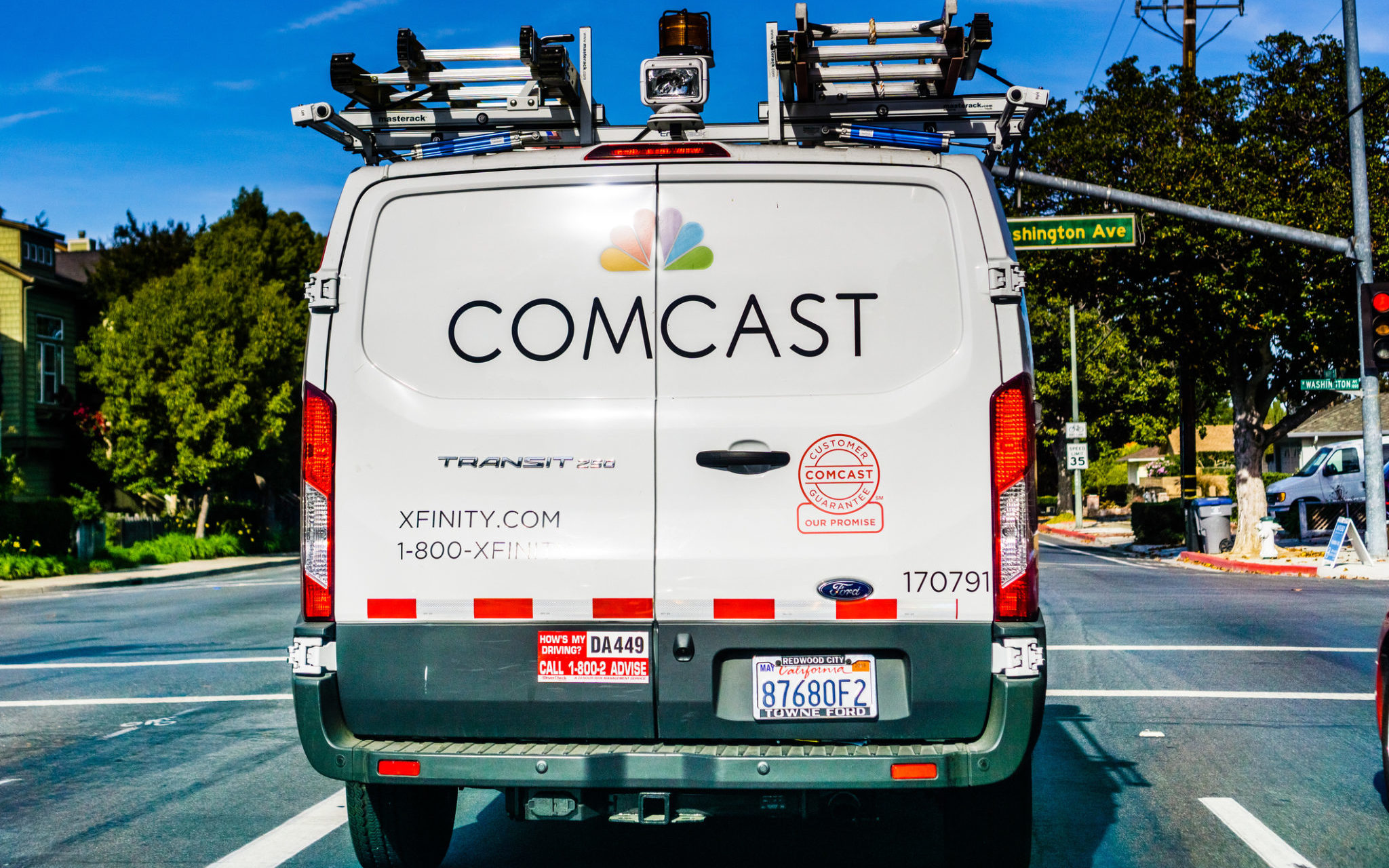
The cable TV and broadband industry faced another challenging year so far in 2025 as Comcast Corporation and Charter Communications, the operator of the Spectrum brand, collectively lost over 1.3 million pay-TV customers in the first three quarters of 2025. This significant drop highlights the persistent shift away from conventional cable television packages toward more flexible streaming options.
Comcast, now the 2nd largest cable TV provider in the United States through its Xfinity brand, accounted for the majority of these losses. The company’s larger subscriber base made it particularly vulnerable to the ongoing cord-cutting phenomenon, where households cancel expensive bundled services in favor of individualized entertainment choices. Despite efforts to retain customers through promotional offers and bundled mobile services, Comcast experienced substantial quarterly declines throughout the period.
Charter Communications, operating as Spectrum, fared somewhat better in relative terms by slowing its rate of subscriber erosion. A key factor in this moderation was the company’s strategy of acquiring smaller cable TV operators across various regions of the country. These acquisitions allowed Charter to expand its footprint and incorporate existing customer bases, helping to offset some of the losses driven by market trends. This consolidation approach provided a buffer against the broader industry downturn, enabling Spectrum to maintain a more stable position compared to its primary competitor. Even with its recent buying spree of smaller companies, Spectrum still lost customers every quarter so far in 2025.
The 1st quarter of 2025 was when most of the losses hit both companies, a trend that is expected to continue in 2026 as subscribers cancel after the end of the NFL season.
The pay-TV losses reflect deeper changes in consumer behavior. Rising costs of cable subscriptions, coupled with the abundance of on-demand content from platforms like Netflix, Disney+, Amazon Prime Video, and Hulu, have encouraged millions of households to abandon traditional linear television. Additionally, virtual multichannel video programming distributors such as YouTube TV, Hulu + Live TV, and Sling TV offer similar live programming at lower prices without long-term contracts or equipment fees.
Beyond television services, the two companies also grappled with erosion in their broadband internet segments, collectively losing over 900,000 internet customers during the same nine-month span. Broadband has long been viewed as a resilient revenue source for cable operators, but increased competition has disrupted this stability.
Fixed wireless access services from mobile carriers like T-Mobile and Verizon have gained traction by providing affordable home internet alternatives using 5G networks. Satellite options, including SpaceX’s Starlink, have further expanded choices in rural and underserved areas. Fiber-optic expansions by telecommunications firms and municipal providers have added pressure in urban markets.
Economic pressures, including inflation and careful household budgeting, have prompted many consumers to shop for better deals or downgrade services altogether. Some have even moved to mobile hotspots as primary internet sources.
Both Comcast and Charter have responded by emphasizing wireless mobile growth, where they have added hundreds of thousands of lines through competitive pricing and bundling with existing services. Investments in network upgrades and customer experience improvements aim to stem further churn.
The ongoing consolidation among smaller operators suggests the industry may continue to restructure, with larger players like Charter potentially gaining scale through additional acquisitions. However, the fundamental shift toward internet-delivered video and diverse connectivity options appears irreversible.
Please add Cord Cutters News as a source for your Google News feed HERE. Please follow us on Facebook and X for more news, tips, and reviews. Need cord cutting tech support? Join our Cord Cutting Tech Support Facebook Group for help.