
The year 2026 is shaping up to be the pinnacle of Cord Cutting 2.0, a transformative era where consumers are not only abandoning traditional cable TV but also severing ties with cable-provided internet services in unprecedented numbers. This evolution builds on the momentum from 2025, when cable giants like Comcast and Charter Spectrum experienced massive subscriber losses across both TV and broadband, signaling a seismic shift in how Americans access entertainment and connectivity. With alternatives proliferating, from 5G home internet to expanded fiber networks and satellite options, households are empowered to seek better deals, faster speeds, and more flexible plans, potentially saving hundreds annually while escaping the clutches of long-dominant providers.
Cord Cutting 1.0, which gained traction in the early 2020s, focused primarily on ditching cable TV bundles in favor of streaming platforms. By 2025, this trend had accelerated dramatically, with non-pay-TV households reaching 77.2 million, up from just 37.3 million in 2018. Cable TV subscriptions plummeted to 68.7 million, a stark decline from 105 million in 2010. Streaming viewership hit record highs, accounting for 47.5 percent of total TV consumption by December 2025, while cable’s share dwindled to 20.2 percent. Providers like Comcast lost 1.25 million video subscribers in 2025 alone, ending the year with just 11.3 million pay-TV customers. Charter Spectrum fared similarly, shedding hundreds of thousands quarterly, with residential video losses narrowing slightly to 64,000 in Q3 but still reflecting ongoing erosion.
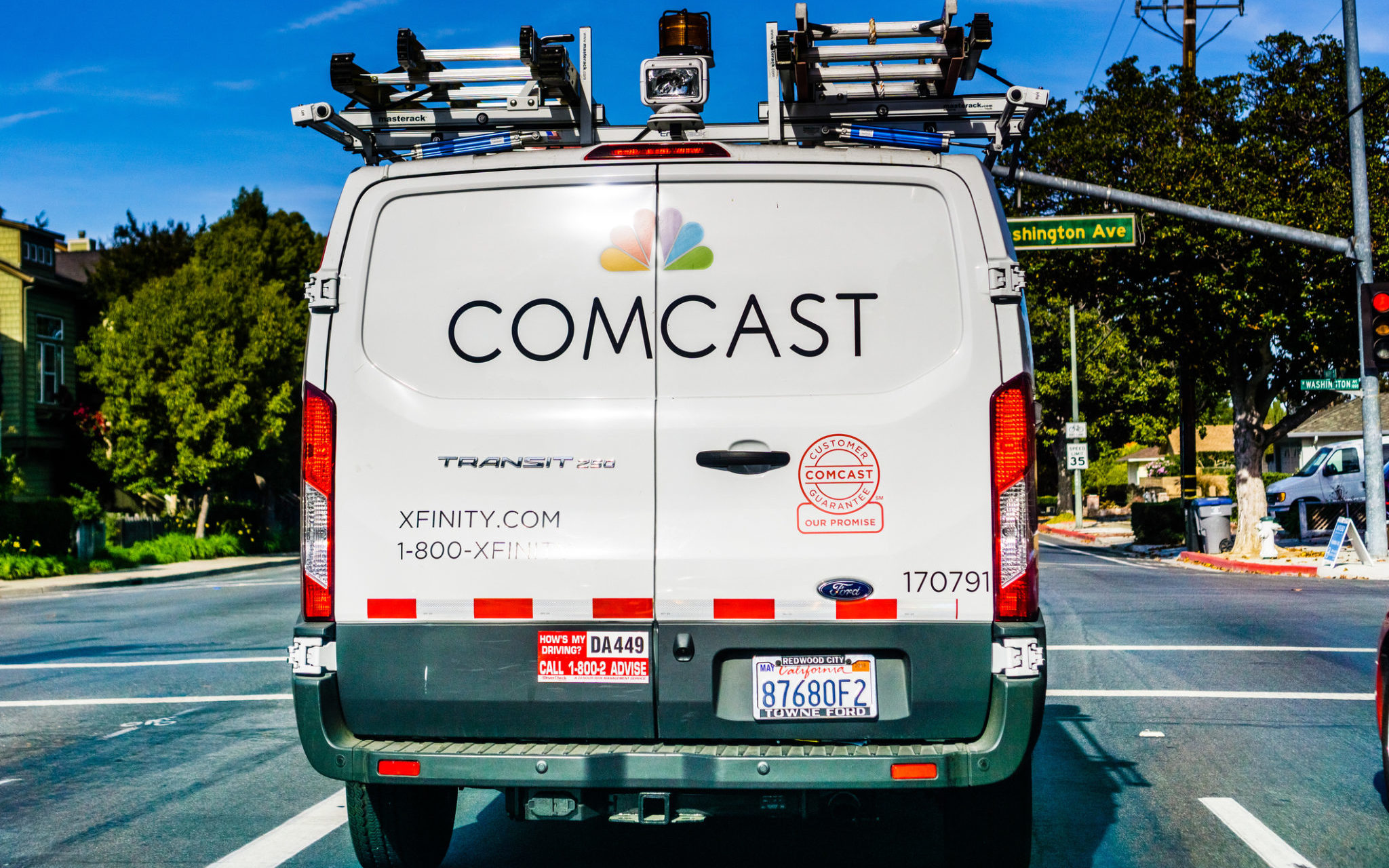
Now, Cord Cutting 2.0 extends this rebellion to home internet, where cable companies once enjoyed near-monopolies. In 2025, Comcast hemorrhaged 711,000 broadband subscribers, closing the year at 31.26 million domestic customers after a Q4 loss of 181,000. Charter Spectrum followed suit, losing over 400,000 internet customers in 2025, with Q3 alone seeing a drop of 109,000, bringing its total to 29.8 million. Together, these two behemoths shed more than 1.3 million TV and over 900,000 internet customers in the first nine months of 2025, a trend dubbed “Cord Cutting 2.0” that underscores growing consumer dissatisfaction with high prices, data caps, and poor service.
This exodus is fueled by robust alternatives emerging from wireless carriers. T-Mobile led the charge, adding over 1.8 million 5G Home Internet subscribers in 2025, with quarterly gains like 506,000 in Q3 pushing its base to 8.0 million. Verizon followed closely, gaining 1.1 million fixed wireless access customers, including 319,000 in Q4, to reach 5.7 million by year’s end. AT&T contributed significantly, adding 875,000 Internet Air (5G home) subscribers and over 1 million fiber net adds, expanding its advanced internet footprint. These gains came directly at the expense of cable providers, as every major cable company reported internet losses in 2025 for the first time.
Looking ahead to 2026, projections indicate even greater acceleration. Non-pay-TV households are expected to surge to 80.7 million, outnumbering traditional pay-TV subscribers at 54.3 million. For internet, the competitive landscape will intensify with new entrants and technological advancements. Amazon’s planned home internet launch, delayed from 2024, is set to roll out widely in 2026, leveraging its vast ecosystem to undercut prices further. Satellite providers like Starlink continue to improve latency and coverage for rural areas, while fiber expansions from AT&T aim to reach 40 million locations by year-end. T-Mobile’s fiber ventures, including acquisitions like Metronet and Lumos, will cover more states, offering gigabit speeds with price guarantees.
Cable incumbents face a precarious future. Once relying on broadband to buffer TV declines, they now confront erosion in their core revenue stream. Strategies like Comcast’s five-year price locks and unlimited data plans have slowed but not halted losses, as consumers prioritize value amid economic pressures. Analysts forecast continued subscriber churn, with cable broadband potentially losing another million users in 2026 as 5G and fiber penetration deepens.
For consumers, Cord Cutting 2.0 in 2026 represents liberation. Households can mix and match services—streaming for TV, 5G for internet—tailoring setups to budgets and needs. This diversity fosters innovation, driving down costs and improving quality. Rural areas, long underserved, benefit from satellite and fixed wireless breakthroughs, bridging the digital divide. Urban dwellers gain leverage in negotiations, forcing providers to compete on speed, reliability, and customer service.
As this movement matures, it reshapes the telecommunications industry. Cable companies must adapt through mergers, bundling enhancements, or infrastructure investments to survive. Meanwhile, wireless giants solidify their dominance, converging mobile and home services into seamless ecosystems. By year’s end, 2026 could mark the tipping point where cable’s monopoly crumbles entirely, ushering in a consumer-driven era of connectivity that prioritizes choice over captivity. With savings averaging $100 monthly for switchers, the financial incentives alone ensure this trend’s unstoppable trajectory.
Please add Cord Cutters News as a source for your Google News feed HERE. Please follow us on Facebook and X for more news, tips, and reviews. Need cord cutting tech support? Join our Cord Cutting Tech Support Facebook Group for help.