
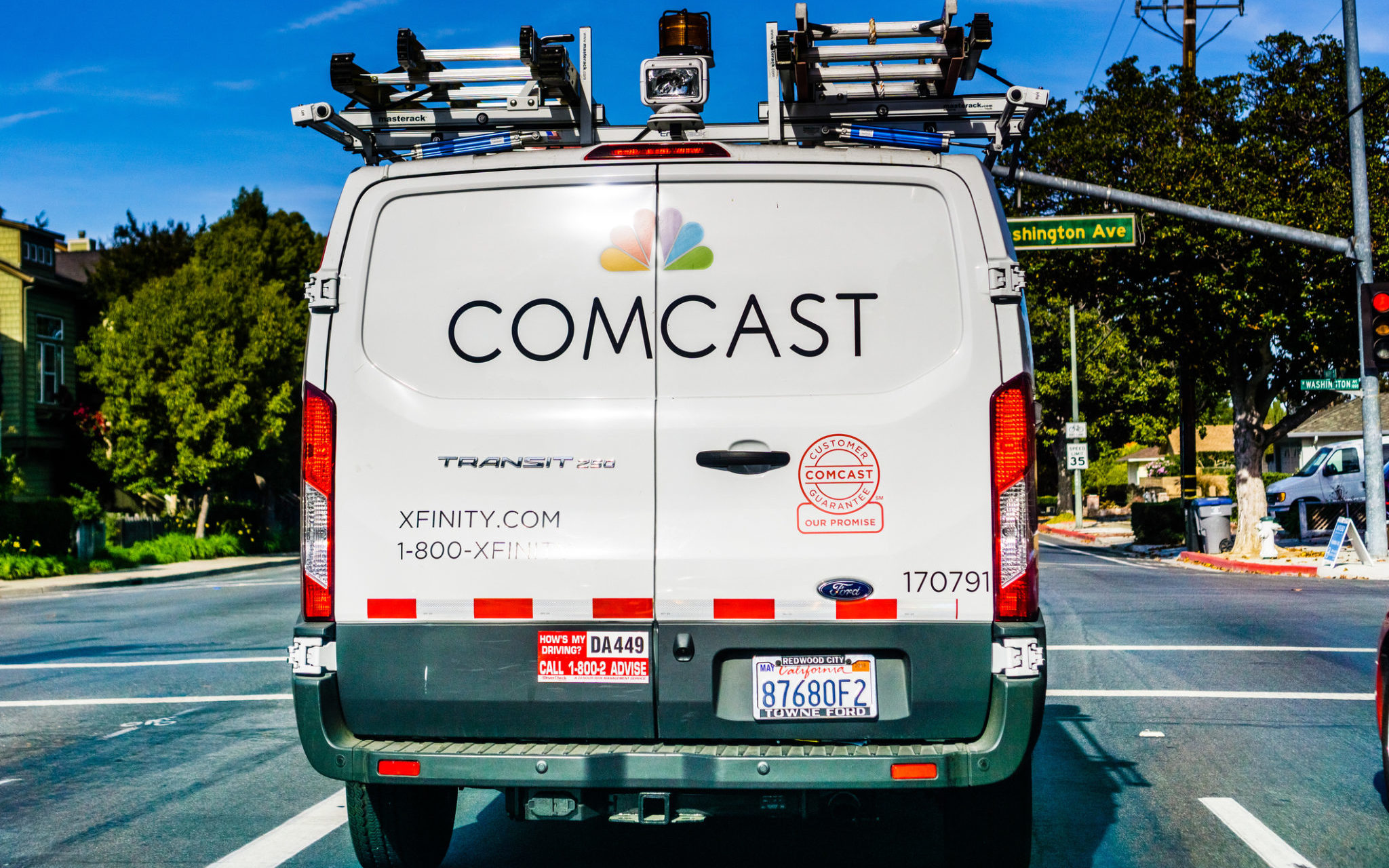
In a notable evolution of its business model, Comcast is elevating its wireless services to its foremost priority as the company grapples with ongoing subscriber losses in its traditional cable television and high-speed internet segments. The telecommunications giant, long dominant in wired connectivity, is increasingly putting its hopes on wireless mobile offerings as a growth engine to offset huge losses in subscribers to its TV and internet business that saw it lose 322,000 TV customers and 65,000 internet customers in just the 1st three months of 2026.
Comcast has faced steady subscriber erosion in its video business for several years, a trend driven by widespread cord-cutting as consumers migrate to streaming platforms. More recently, this pressure has extended to its broadband division, where competitive forces from fiber providers and fixed wireless access services have contributed to net customer losses. In the first quarter of 2026, the company reported narrowed but still negative broadband results, reflecting broader industry headwinds including aggressive pricing from rivals, economic factors affecting housing turnover, and shifting consumer preferences toward more flexible connectivity options.
These declines come despite initiatives such as simplified pricing packages, multi-year rate locks, and the removal of data caps aimed at stabilizing the broadband base. While such measures have helped moderate the pace of losses compared to prior periods, they have not yet reversed the trend. Industry observers note that Comcast’s traditional cable infrastructure, while extensive, now contends with nimbler competitors offering gigabit speeds and lower entry points in many markets. The company’s video subscriber base has also continued to shrink, underscoring the broader transition away from linear television.
Against this backdrop, Comcast’s CEO said wireless is now the company’s number one primary focus at the MoffettNathanson Media, Internet & Communications Conference, according to LightReading. Xfinity Mobile has emerged as a standout performer, achieving record line additions in recent quarters and reaching nearly 10 million lines by the end of the first quarter of 2026. This growth builds on a converged strategy that bundles mobile service with home broadband, helping to reduce churn among existing customers while attracting new ones through promotional offers like free lines for a limited period.
The wireless push extends beyond mere subscriber acquisition. Comcast is investing in premium unlimited plans that include enhanced features such as higher data allotments for hotspots, device upgrade programs, and integrated streaming benefits. These tiers have seen stronger-than-expected uptake, contributing to improved average revenue per user. Additionally, the company leverages its vast Wi-Fi network to offload a significant portion of mobile traffic—around 90 percent in some estimates—enhancing efficiency and reducing reliance on cellular spectrum. Deployments of CBRS technology in select markets further support this offload strategy in high-density areas.
Analysts view this offensive approach to wireless as a potential counterbalance to broadband softness. Projections for the second quarter suggest continued mobile momentum, with expectations of hundreds of thousands of additional lines. This expansion aligns with industry-wide convergence trends, where cable operators use mobile to deepen customer relationships and create stickier bundles. For Comcast, wireless profitability on a standalone basis provides a foundation for further investment, even as the company navigates a “deliberate investment cycle” in its core networks.
Network upgrades remain a parallel priority. Comcast is advancing its DOCSIS 4.0 deployment, now covering millions of homes and businesses, with plans to scale multi-gigabit symmetrical speeds later in the year. AI-enabled equipment in these upgrades has already delivered operational benefits, including reduced trouble calls and faster repairs. Commercial services, which now account for a growing share of connectivity revenue, also benefit from these enhancements as the company targets enterprise clients with bundled solutions.
The strategic reorientation arrives under new leadership in the Connectivity & Platforms division. With wireless at the forefront, Comcast aims to not only defend its broadband base but also expand its overall connectivity footprint. Early signs from revised packaging and promotional strategies indicate potential stabilization in broadband losses, though full recovery to growth territory remains uncertain amid persistent competition.
Broader market dynamics reinforce this shift. As fixed wireless and fiber alternatives proliferate, traditional cable providers must innovate to maintain relevance. Comcast’s emphasis on convergence—pairing reliable home internet with seamless mobile experiences—positions it to capture value across the connectivity spectrum. Success in converting promotional mobile users to paid long-term subscribers will be critical, particularly as initial free-line cohorts mature.
Looking ahead, the company continues to allocate capital toward growth areas while generating substantial free cash flow. Theme parks and streaming ventures provide diversification, but connectivity remains foundational. By prioritizing wireless, Comcast seeks to transform subscriber losses in legacy segments into opportunities for holistic customer engagement and sustained financial performance.
This recalibration reflects the realities of a rapidly evolving telecommunications landscape. While cable television and traditional broadband face structural declines, wireless offers a dynamic pathway for expansion. Investors and customers alike will watch closely as Comcast executes on this priority, balancing defense of its wired empire with aggressive pursuit of mobile leadership. The coming quarters will test whether this strategy can deliver renewed momentum across the board.
Please add Cord Cutters News as a source for your Google News feed HERE. You can watch today’s top cord cutting stories on our YouTube channel HERE. Please follow us on Facebook and X for more news, tips, and reviews. Need cord cutting tech support? Join our Cord Cutting Tech Support Facebook Group for help.