
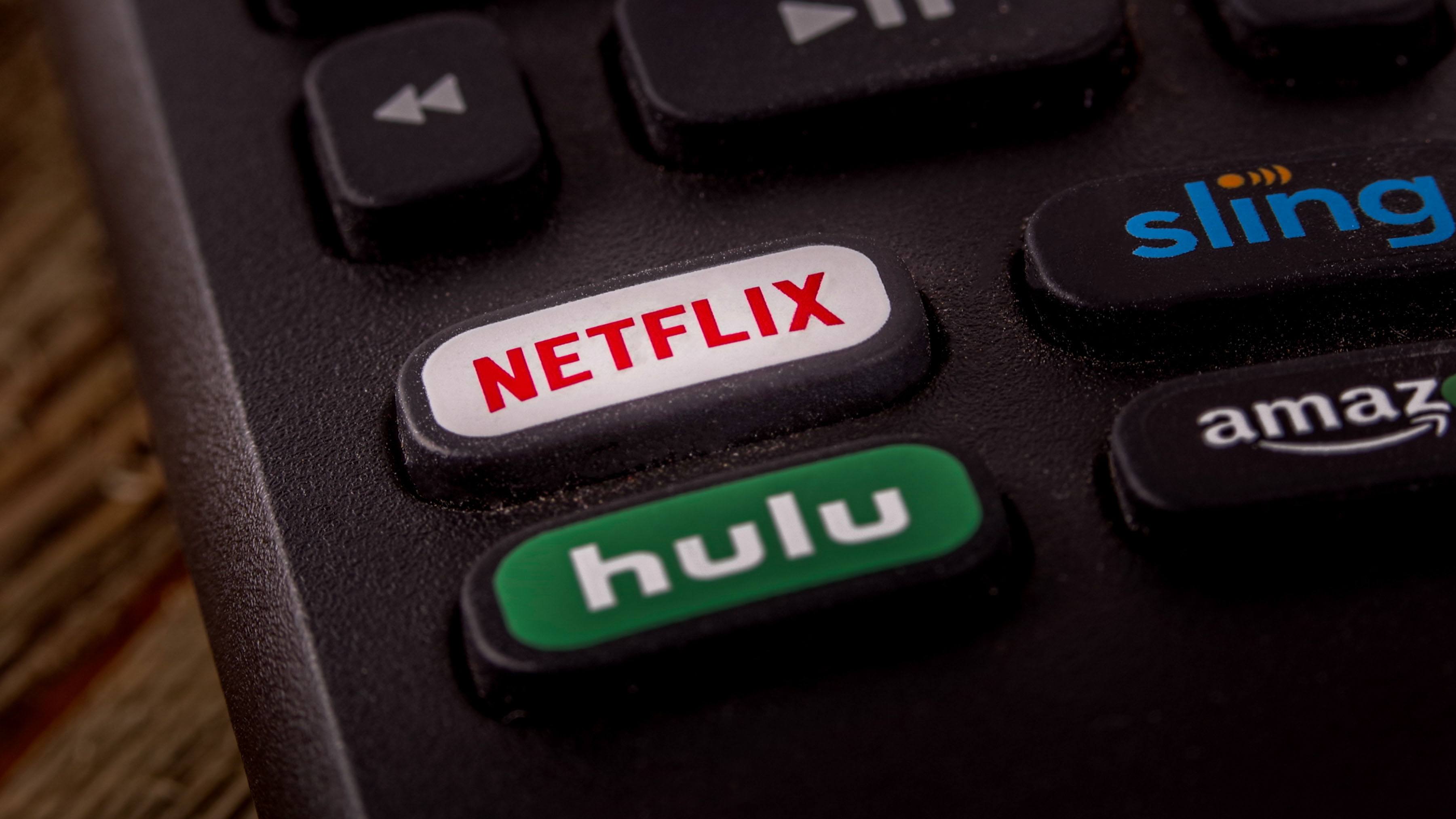
Americans are increasingly trimming their streaming budgets, opting for leaner lineups of paid services and embracing a growing array of free alternatives. A recent survey of more than 1,200 cord cutters reveals a clear shift toward moderation in subscription habits, with many households limiting their spending and turning to ad-supported platforms that require no monthly fees.
The data highlights a trend of restraint. More than half of respondents, specifically 53.1 percent, reported paying for three or fewer television streaming services. That figure climbs to 67.4 percent for those with four or fewer subscriptions and reaches 78.8 percent for five or fewer. These numbers paint a picture of consumers who have moved beyond the early days of cord cutting, when households often stacked multiple paid platforms in an attempt to replicate the vast libraries once offered by traditional cable packages. Instead, many now prioritize carefully, canceling redundant services amid rising prices and economic pressures.
Even more striking is the segment going entirely free. Nine percent of those surveyed said they pay for no television streaming services whatsoever. These viewers rely instead on completely free, advertising-supported options such as Tubi, The Roku Channel, and Pluto TV. The growth in this group underscores a broader movement toward free-only viewing, where entertainment comes without direct costs to the consumer. Another 21 percent of cord cutters pay for just one or fewer streaming services, further emphasizing how many are simplifying their setups and leaning on accessible, no-cost content.
This surge in free streaming adoption has propelled the entire category of ad-supported services, often called FAST (free, ad-supported streaming television), to new heights. Platforms that once served as niche supplements have become primary destinations for millions. Viewers enjoy a wide range of movies, classic television shows, original programming, and live channels without opening their wallets. The appeal lies not only in the zero-dollar price tag but also in the convenience of discovering content through intuitive interfaces and recommendation engines. As more people discover these libraries, the momentum builds, creating a virtuous cycle that attracts additional viewers and encourages platforms to invest in better content and features.
This comes as there is broader consumer fatigue over subscription overload. After years of adding services to access specific shows or sports, many households have reached a saturation point. Monthly bills that once seemed manageable have compounded, prompting reevaluations. Cord cutters, already sensitive to costs after ditching cable, appear particularly attuned to these dynamics. They seek value without compromise, and free platforms deliver compelling catalogs filled with familiar favorites alongside newer fare.
The trend shows no signs of slowing. Major players are taking notice and positioning themselves to capture this growing audience. Reports indicate that Disney is preparing to launch a free streaming service, potentially making portions of its extensive library available at no charge with advertisements. Such a move would represent a significant evolution for one of the entertainment industry’s largest names, bringing beloved franchises from Marvel, Star Wars, Pixar, and Disney classics into the free ecosystem. If implemented, it could accelerate the shift even further by drawing in families and casual viewers who want high-quality content without another subscription fee.
This development would join an already crowded field of free offerings. Tubi has built a reputation for its massive on-demand library, while Pluto TV offers a linear channel experience reminiscent of traditional television. The Roku Channel integrates seamlessly with streaming devices, and others continue to expand with live news, sports highlights, and niche programming. The collective rise of these services reflects changing viewer behaviors: people want flexibility, choice, and affordability.
Analysts predict that the free streaming segment will continue expanding as technology improves and content creators seek new distribution models. With cord cutting now a dominant force—more than two-thirds of U.S. households have moved away from traditional pay television—the competition for eyeballs intensifies. Paid services will likely respond with tiered pricing, bundles, and ad-supported plans of their own, but the free-only cohort demonstrates that a substantial portion of the audience prefers to avoid recurring charges entirely.
For consumers, the benefits are immediate. Households save money that can be redirected elsewhere, while still accessing entertainment that rivals or exceeds what cable once provided. Families enjoy kid-friendly options, sports fans find highlights and select live events, and general audiences discover hidden gems without commitment. The survey data suggests this approach is not a temporary fad but a sustainable preference taking root across demographics.
As the landscape matures, the interplay between paid and free services will define the next chapter of home entertainment. The 9 percent who have gone fully free today may represent the leading edge of a larger wave. With Disney reportedly eyeing its own entry into the space, the options for cost-conscious viewers will only multiply. Cord cutters have shown they are willing to adapt, and the industry is following their lead by offering more ways to watch without the burden of multiple bills. This evolution promises a more accessible, diverse, and viewer-driven television future. (Word count: 728)
Please add Cord Cutters News as a source for your Google News feed HERE. You can watch today’s top cord cutting stories on our YouTube channel HERE. Please follow us on Facebook and X for more news, tips, and reviews. Need cord cutting tech support? Join our Cord Cutting Tech Support Facebook Group for help.