
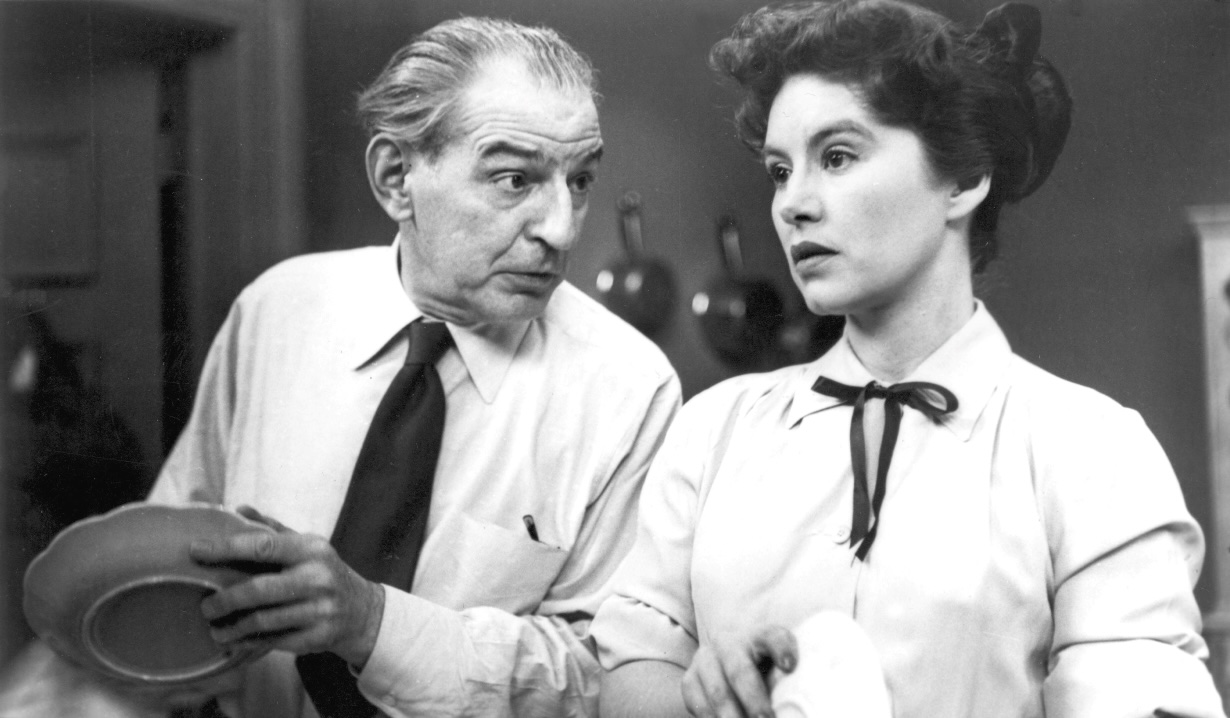
74 years ago today, on June 30, 1952, CBS Television introduced American audiences to a daytime drama that would redefine serialized storytelling and become one of the longest-running programs in broadcast history. The debut of The Guiding Light marked a historic transition from radio to television and launched a show that chronicled the lives of ordinary families through decades of social change while establishing many of the core conventions still seen in daytime drama today.
The Guiding Light began its journey much earlier as a radio serial created by Irna Phillips and Emmons Carlson. It premiered on NBC Radio on January 25, 1937, originally centering on Reverend John Ruthledge and the moral and spiritual challenges faced by residents of the fictional town of Five Points. Phillips drew inspiration from her own life experiences and a desire to provide listeners with emotional support and guidance during difficult times. The program quickly found an audience by blending personal drama with themes of faith, redemption, and community.
In 1947, the series moved to CBS Radio, and by 1948 the focus had shifted to the Bauer family, a hardworking German-American household. This change allowed the narrative to explore generational conflicts, personal ambitions, love, loss, and everyday struggles in greater depth. Characters such as Meta Bauer and her brother Bill emerged as anchors whose stories would span many years and multiple generations of viewers.
The move to CBS Television on June 30, 1952, represented a major milestone. The Guiding Light became the first radio soap opera to successfully transition to the visual medium. For the first four years, it continued to air simultaneously on both radio and television, giving longtime listeners a smooth bridge to the new format. Early television episodes retained the intimate, dialogue-heavy style of radio while gradually adding visual elements that heightened emotional impact. Over time the program expanded from its original fifteen-minute episodes to thirty minutes and eventually a full hour, reflecting growing audience demand for richer character development and more complex storylines.
On television, the show followed the Bauer family and an expanding ensemble of characters in the town of Springfield. Storylines evolved to reflect real-world issues, including the readjustment of World War II veterans, postwar juvenile delinquency, the complexities of marriage and divorce, adoption, infidelity, and health challenges. In 1962 the program introduced one of daytime television’s earliest storylines dealing with uterine cancer, helping raise public awareness of a medical condition that was rarely discussed openly at the time.
The Guiding Light ran on CBS until September 18, 2009, achieving a remarkable fifty-seven years on television. Combined with its fifteen-year radio run, the total broadcast history reached seventy-two continuous years, making it the longest-running soap opera and one of the longest-running scripted programs in American history. It produced more than fifteen thousand episodes across both media.
Its significance goes well beyond longevity. Irna Phillips, widely recognized as the Queen of the Soaps, used The Guiding Light to pioneer techniques that shaped the entire genre. She refined the use of cliffhanger endings to maintain daily viewer engagement, incorporated dramatic organ music to underscore emotional beats, and emphasized realistic, relatable characters navigating multigenerational family dynamics in a small-town setting. Rather than relying purely on sensationalism, the show focused on the hopes, conflicts, and moral choices of everyday people.
This approach became the blueprint for countless daytime dramas that followed. Phillips later created other landmark series, and many of her protégés went on to develop iconic shows of their own. The model of ongoing serial narratives centered on families and communities influenced not only daytime television but also elements of prime-time drama that continue to this day.
For generations of viewers, particularly in its early decades, The Guiding Light offered companionship, escapism, and a sense of continuity amid changing times. It reflected and sometimes anticipated societal shifts while building deep emotional connections through consistent character-driven storytelling. Its cancellation in 2009 due to declining ratings ended a remarkable era, yet its legacy remains strong through fan communities, archival appreciation, and its foundational role in popular culture.
74 years after its television debut, The Guiding Light stands as a testament to the enduring power of serialized drama. It proved that stories exploring family bonds, personal growth, and the search for guidance could captivate audiences across decades and evolving media landscapes. The program helped establish daytime television as a vital part of American viewing habits and left an indelible mark on how emotional, character-focused narratives are crafted for mass audiences. Its pioneering spirit continues to echo in modern storytelling formats that prioritize long-term character arcs and community-driven plots.
Please add Cord Cutters News as a source for your Google News feed HERE. You can watch today’s top cord cutting stories on our YouTube channel HERE. Please follow us on Facebook and X for more news, tips, and reviews. Need cord cutting tech support? Join our Cord Cutting Tech Support Facebook Group for help.