
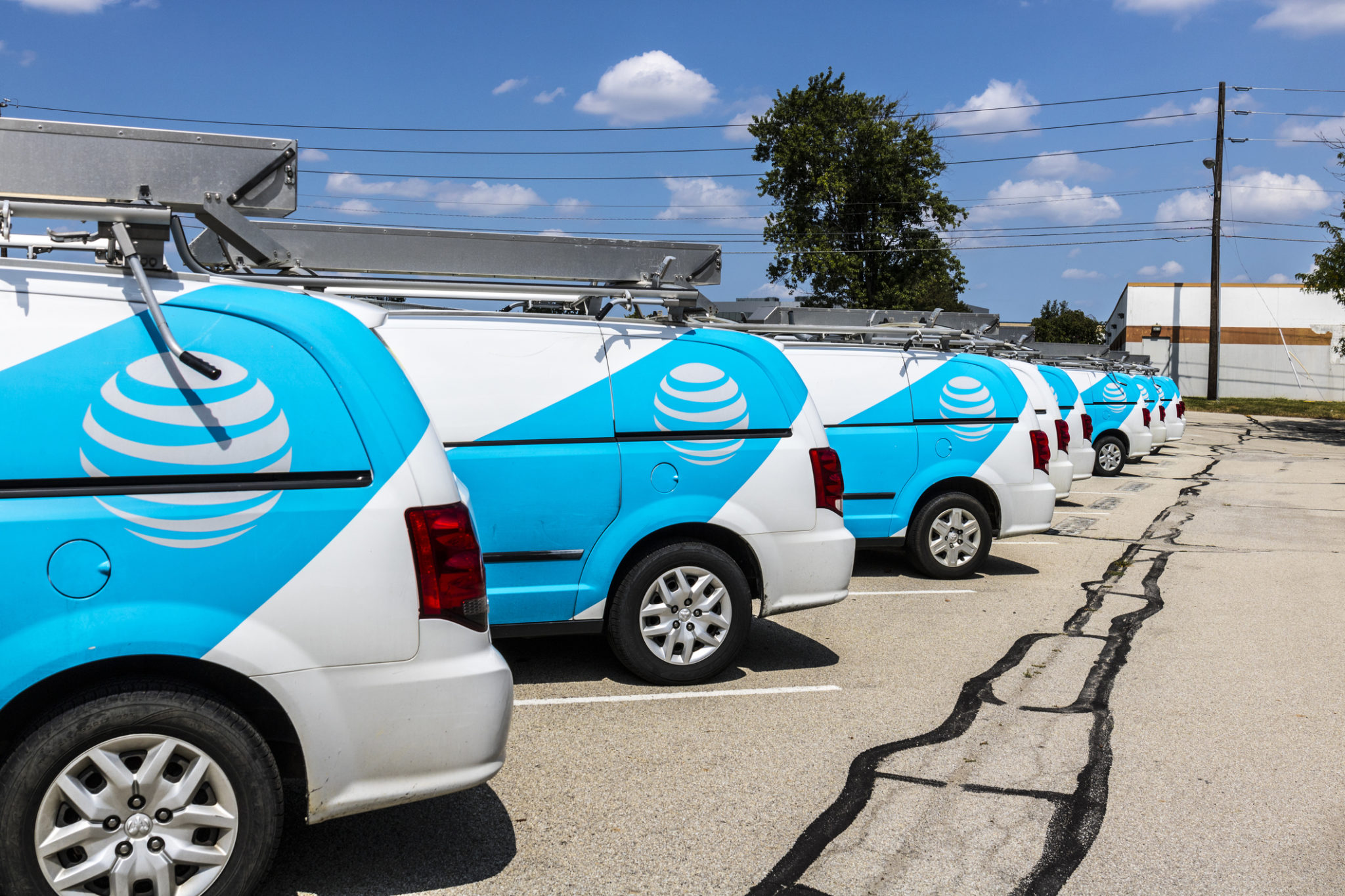
On this day 28 years ago, June 24, 1998, AT&T Corp. announced its agreement to acquire Tele-Communications Inc., one of the nation’s largest cable television operators, in a massive all-stock transaction valued at approximately $48 billion, including roughly $32 billion in stock and the assumption of significant debt. The deal stood as one of the biggest corporate combinations in the telecommunications sector at the close of the twentieth century and marked AT&T’s determined push to transform itself from a long-distance telephone leader into a comprehensive provider of voice, video, and high-speed data services.
At the time, the cable industry was consolidating rapidly amid the early internet boom and growing demand for bundled services. TCI brought with it a vast network of cable systems reaching millions of households across the United States, giving AT&T immediate scale in video delivery and the infrastructure needed for emerging broadband internet through cable modems. The strategic vision centered on creating one-stop shopping for consumers, where customers could receive telephone service, cable television programming, and internet access from a single provider. Regulators ultimately cleared the transaction after certain divestitures, and the merger closed in March 1999, with TCI’s operations reorganized under the new AT&T Broadband and Internet Services unit.
What followed represented AT&T’s first major attempt to establish itself as a significant television provider. The company invested heavily in upgrading the acquired cable systems to digital standards and expanding high-speed internet offerings. Additional cable assets were folded into the broadband division over the next several years, creating one of the larger cable footprints in the country. Yet managing these operations proved more complex and capital-intensive than anticipated. Shifting market conditions, intense competition from both satellite providers and traditional broadcasters, and the need for ongoing network upgrades placed considerable pressure on the division.
By the early 2000s, AT&T concluded that its future lay elsewhere and moved to exit the cable business. In 2001, Comcast Corporation reached an agreement to acquire AT&T Broadband in a transaction valued at approximately $72 billion. The structure involved spinning off the cable assets from AT&T and merging them with Comcast’s existing operations. The combination closed in 2002, instantly making the new entity the largest cable television operator in the United States, with more than 22 million subscribers at the time.
This transfer of assets proved transformative for Comcast. The addition of AT&T Broadband’s extensive cable systems, customer base, and technical infrastructure provided the scale and geographic reach that allowed Comcast to dominate the cable sector for years to come. The company leveraged these resources to grow its broadband internet business aggressively, expand advertising platforms, and later diversify into content ownership. Over the subsequent decades, Comcast evolved into a leading media and communications conglomerate, with its Xfinity brand becoming synonymous with residential broadband and video services across much of the country. In many respects, the foundation of Comcast’s modern powerhouse status traces directly back to the integration of the cable networks originally assembled through the 1998 AT&T-TCI transaction.
AT&T did not abandon the television space entirely after exiting cable. In 2015, the company pursued a second major entry into video by acquiring the satellite television provider DIRECTV in a deal valued at approximately $67.1 billion, including debt. The move was intended to complement AT&T’s existing U-verse fiber-based video service and strengthen its position in the pay-TV market through bundling with wireless and broadband offerings. For several years, the combined video operations operated under the AT&T umbrella, serving millions of subscribers across satellite and internet-protocol platforms.
Ultimately, however, this second effort also proved temporary. Changing consumer habits, the rapid rise of streaming platforms, and a corporate focus on core wireless and fiber infrastructure prompted AT&T to restructure its video holdings. In 2021, the company formed a joint venture for its DIRECTV, DIRECTV Stream, and U-verse video assets with private equity firm TPG, retaining a majority stake initially. By late 2024, AT&T agreed to sell its remaining interest to TPG, completing its full exit from the satellite and related video businesses around mid-2025.
Looking back from 2026, the 1998 acquisition of TCI stands as a pivotal but ultimately transitional chapter in AT&T’s history. While the company successfully entered the television arena on a grand scale, it chose not to maintain long-term ownership of those cable assets. Instead, the divestiture to Comcast helped consolidate the cable industry and positioned that company for decades of leadership in broadband and video distribution. AT&T’s later DIRECTV chapter represented another ambitious foray into television services, yet it too ended in divestiture as market realities evolved. Together, these episodes illustrate how major telecommunications players have repeatedly tested different paths into video delivery, only for assets and market power to shift among industry leaders in response to technological change and strategic priorities. The cable infrastructure that originated with the TCI deal continues to serve millions of households today under Comcast’s stewardship, underscoring the lasting industry realignment that began with that landmark 1998 announcement.
Please add Cord Cutters News as a source for your Google News feed HERE. You can watch today’s top cord cutting stories on our YouTube channel HERE. Please follow us on Facebook and X for more news, tips, and reviews. Need cord cutting tech support? Join our Cord Cutting Tech Support Facebook Group for help.