
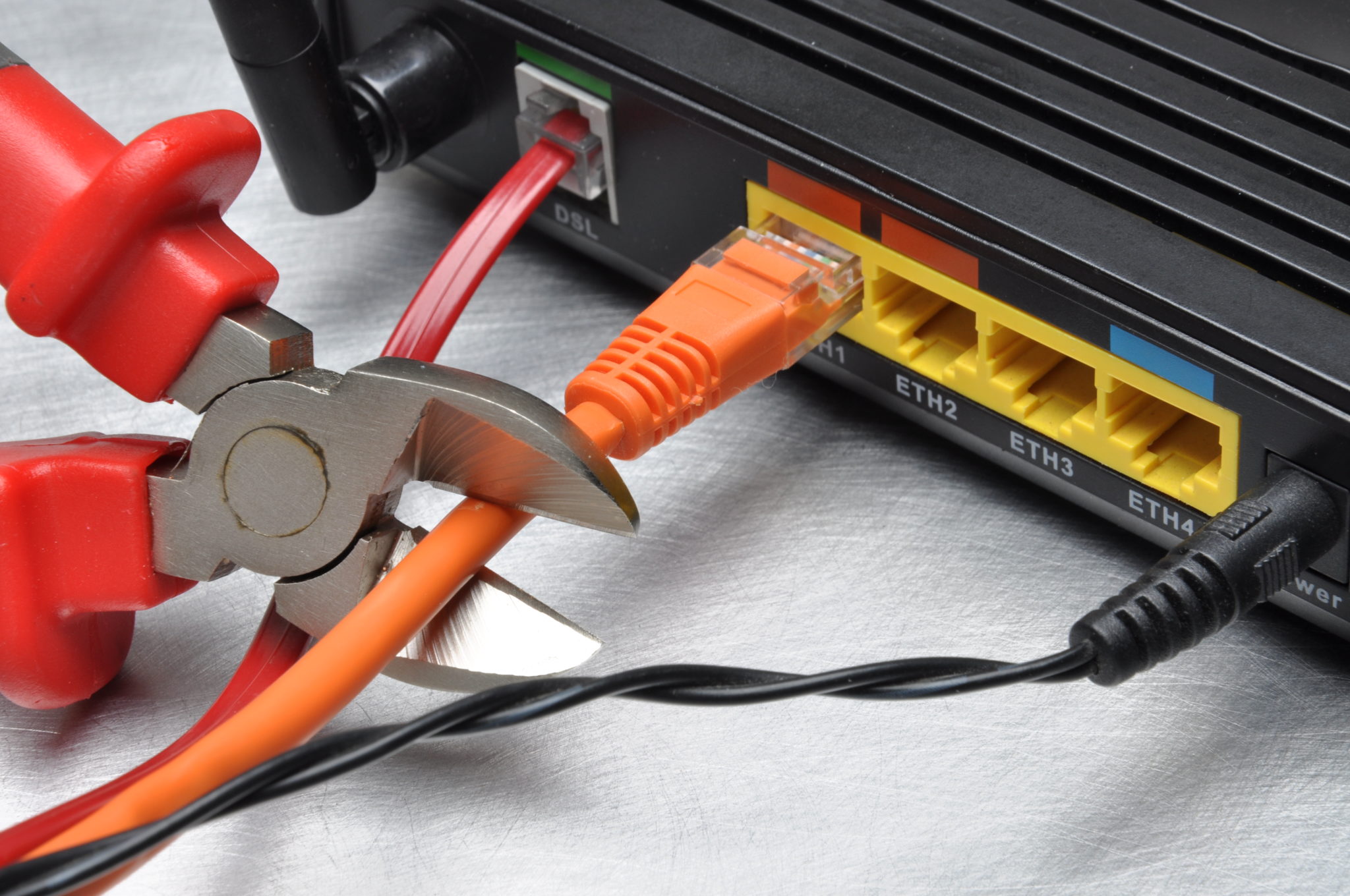
A rural Minnesota internet provider has abruptly shut its doors this month, cutting off service to hundreds of customers across a sprawling stretch of southern Minnesota without meaningful advance notice — a disturbing echo of a similar incident that left cable and internet subscribers stranded just a few years ago.
RadioLink Internet (RLI), based out of Ellendale, Minnesota, provided internet service to residents across approximately 5,000 square miles of southern Minnesota. The company’s sudden closure has left customers scrambling for alternatives in an area where broadband options are already limited, according to a KTTC report.
RLI’s owner, Daniel Petsinger, shut down the provider’s operations, taking down the company’s website and pulling the plug on its phone lines and email simultaneously. For many customers, the first sign that something was wrong was simply that their internet stopped working.
One customer, Allison Ludeman, came home from work on June 1 and noticed her internet was not functioning. She initially assumed the connection was temporarily down, only to discover the company had shuttered entirely. She said she never received any email notification from RLI about the closure.
The impact on customers in the rural region is not merely an inconvenience. Ludeman noted that in her area of Steele County, her cell phone barely functions without an internet connection, and that she had relied on RLI’s service during the COVID-19 pandemic to work remotely. For residents in such areas, a sudden loss of internet access can mean being cut off from work, telehealth services, and basic communication.
To make matters worse, some customers had already prepaid for their subscriptions before the company shut down and were told by Petsinger to direct any refund inquiries to the Minnesota Bankruptcy Court.
Petsinger attributed the closure to a changing political climate in some of the communities his company served and a declining customer base. He also alleged that the cities of Ellendale and New Richland violated the Telecommunications Act of 1996 by suppressing broadband competition. Officials in New Richland disputed that characterization, saying the city council’s decision to remove RLI’s equipment from a water tower — with a 60-day notice given in May 2026 — was focused on protecting critical infrastructure and ensuring fair compensation for the city.
Minnesota Attorney General Keith Ellison issued a consumer alert in response to the closure and announced that his office is investigating why customers were not given advance warning.
This is not the first time a small telecommunications provider has gone dark overnight, leaving customers with no service and no clear path forward. In late 2023, Bailey Cable TV — a company serving more than a dozen towns across Mississippi and Louisiana — abruptly shut down on November 30 without warning to its customers. Subscribers only learned of the closure through a recorded phone message that played when they called the company’s customer service line, informing them that service would not be restored and that they would not be billed for December. No alternative contact method was provided, and the company’s website offered no explanation or notice of the shutdown.
What made the Bailey Cable TV closure particularly damaging was that the company went completely out of business rather than transitioning to streaming or focusing on internet service — significantly limiting options for TV and internet access for those in the affected communities.
The pattern emerging from both cases raises serious questions about the protections available to consumers — particularly those in rural areas — when small or financially troubled telecom providers fail. Unlike large national carriers, smaller regional providers often operate with less regulatory scrutiny, and when they collapse, they can leave entire communities digitally stranded with little recourse.
Consumer advocates point out that internet access has evolved from a luxury into an essential utility for most Americans, used for everything from remote work and online education to accessing government services and emergency information. When a provider disappears overnight, customers face not just inconvenience but genuine hardship — especially in areas where competing options are few or nonexistent.
For the customers of RLI in southern Minnesota, the search for a new provider is now urgent. Regulator attention is growing, but for people who woke up one morning to find their internet simply gone — with their money already paid and no one answering the phone — that scrutiny may be coming too late.
Please add Cord Cutters News as a source for your Google News feed HERE. You can watch today’s top cord cutting stories on our YouTube channel HERE. Please follow us on Facebook and X for more news, tips, and reviews. Need cord cutting tech support? Join our Cord Cutting Tech Support Facebook Group for help.