
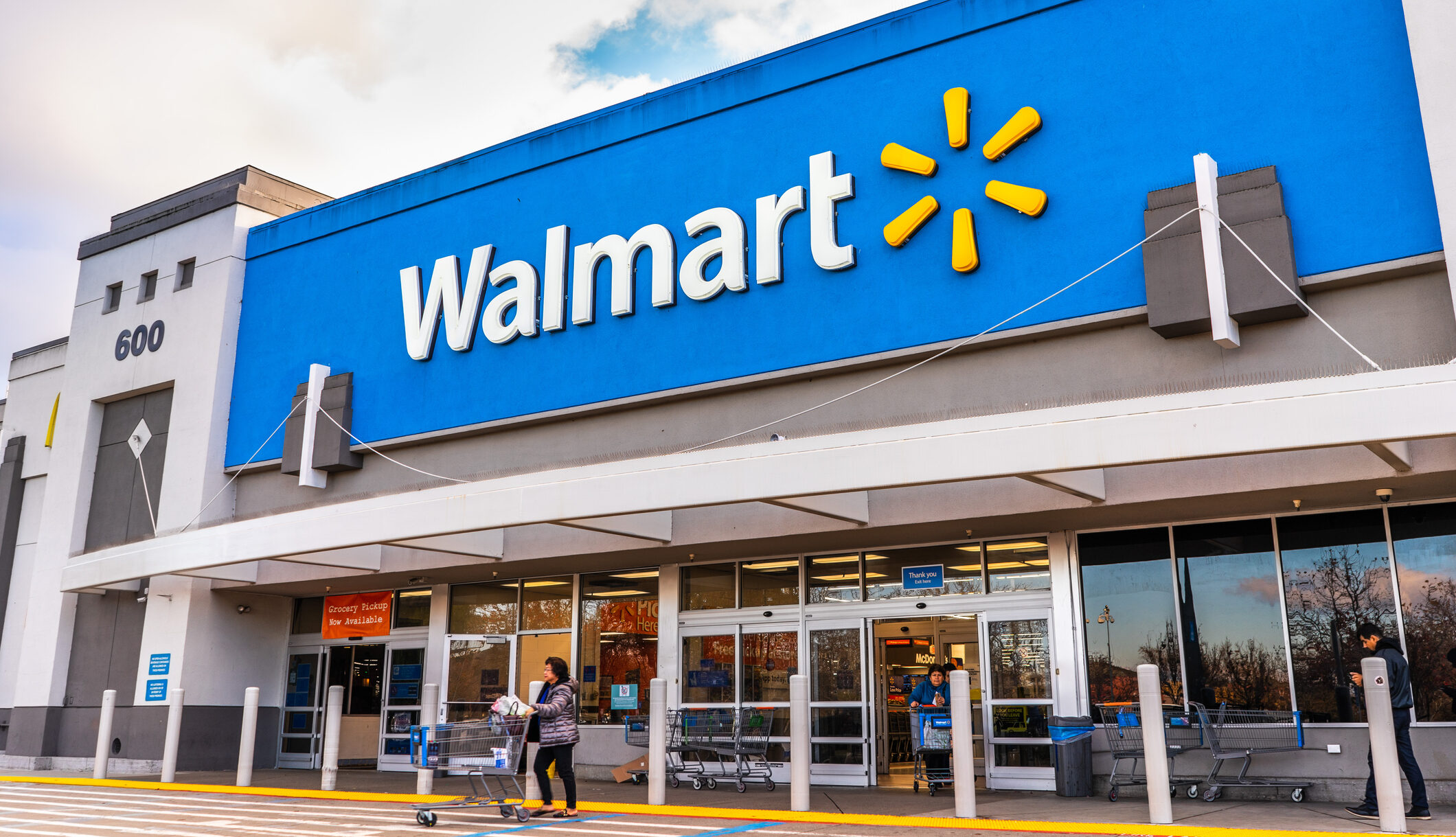
In a bold move to challenge Walmart’s dominance in the U.S. retail landscape, Amazon has initiated a comprehensive reorganization of its grocery delivery operations. This shift comes as the e-commerce powerhouse seeks to erode Walmart’s substantial market share by adopting and adapting elements of its rival’s successful model. Internal documents that have surfaced reveal Amazon’s ambitious plans to enhance its capabilities in fast delivery, perishables handling, and physical retail presence, positioning it as a more formidable competitor in the everyday essentials sector, something Walmart has dominated, according to Business Insider.
At the core of Amazon’s strategy is the development of specialized warehouses designed specifically for expedited online grocery deliveries. These facilities aim to fulfill orders within four hours, a timeline intended to rival the convenience offered by traditional brick-and-mortar stores. The company plans to roll out at least five such warehouses in 2025, with the goal of influencing consumer behavior toward more frequent online purchases for groceries. This initiative builds on Amazon’s existing infrastructure, including its acquisition of Whole Foods, which it intends to leverage more effectively for order fulfillment. By integrating these stores into its online ecosystem, Amazon hopes to streamline operations and reduce delivery times, making it easier for customers to opt for digital shopping over in-person visits to competitors like Walmart.
A significant aspect of this push involves expanding Amazon’s capacity to handle perishable goods. Projections indicate that the company will increase its distribution volume from 2.6 billion units in 2025 to 3.3 billion units by the end of 2026. This expansion underscores Amazon’s focus on fresh produce, dairy, and other time-sensitive items that form the backbone of household shopping lists. By improving its logistics for these products, Amazon aims to capture a larger slice of the market for routine purchases, where Walmart has long held an advantage through its vast network of supercenters that combine groceries with general merchandise.
Walmart currently commands approximately 21 percent of the U.S. grocery market, a figure that dwarfs Amazon’s combined share with Whole Foods at just 1.6 percent. This disparity highlights the uphill battle Amazon faces, but the leaked documents suggest a determined effort to close the gap. Amazon’s moves are not limited to online enhancements; the company recently opened its first big-box retail store in the Chicago suburbs, marking a direct incursion into Walmart’s territory. With Walmart operating over 4,000 such large-format stores nationwide, Amazon’s entry into this space signals a willingness to compete on physical turf as well. This new store format could serve as a testing ground for hybrid retail experiences, blending in-store shopping with seamless online integration.
The broader implications of Amazon’s strategy extend beyond groceries. By targeting Walmart’s core business, Amazon is essentially declaring war on one of the retail industry’s giants, potentially reshaping how Americans shop for essentials. Walmart has built its empire on low prices, wide selection, and accessibility, particularly in rural and suburban areas where its supercenters act as community hubs. Amazon, traditionally strong in urban and tech-savvy demographics, now appears intent on broadening its appeal. This could involve competitive pricing adjustments, though specifics remain under wraps, and enhanced membership perks through services like Prime to encourage loyalty.
Industry analysts anticipate that this rivalry will intensify competition, benefiting consumers through better deals and innovations. For instance, faster delivery options could pressure Walmart to accelerate its own e-commerce investments, such as its Walmart+ subscription service. Meanwhile, Amazon’s warehouse expansions might create jobs in logistics and distribution, contributing to economic growth in selected regions. However, challenges loom, including supply chain vulnerabilities and regulatory scrutiny over market concentration. As both companies vie for supremacy, the grocery sector could see accelerated digitization, with more households relying on apps and algorithms for their weekly hauls.
Looking ahead, Amazon’s timeline for these initiatives suggests rapid implementation. The 2025 warehouse launches could serve as pilots, with successful models scaled nationally. If effective, this could gradually shift market dynamics, forcing Walmart to defend its position more aggressively. For now, the leaked insights provide a glimpse into Amazon’s playbook, one that borrows from Walmart while infusing it with the tech-driven efficiency that has defined Amazon’s rise. This escalating competition promises to redefine retail norms, blending the best of online convenience with the reliability of traditional shopping.
Please add Cord Cutters News as a source for your Google News feed HERE. Please follow us on Facebook and X for more news, tips, and reviews. Need cord cutting tech support? Join our Cord Cutting Tech Support Facebook Group for help.