
In a bold forecast for the entertainment industry, Anthony Wood, the founder, chairman, and chief executive officer of Roku, anticipates that generative artificial intelligence will soon transform content creation in profound ways. He envisions the emergence of the first entirely AI-produced blockbuster movie within the next three years, signaling a shift in how films and shows are made.
Speaking at the Variety Entertainment Summit at CES during the Consumer Electronics Show in Las Vegas, Wood highlighted the immense potential of AI, emphasizing its current influence and future dominance across various sectors. He pointed out that while uncertainties surround investment trends in technology, the role of AI in reshaping media is undeniable. Particularly in streaming and production, this technology promises to significantly reduce the expenses associated with developing content, making high-quality entertainment more accessible and efficient.
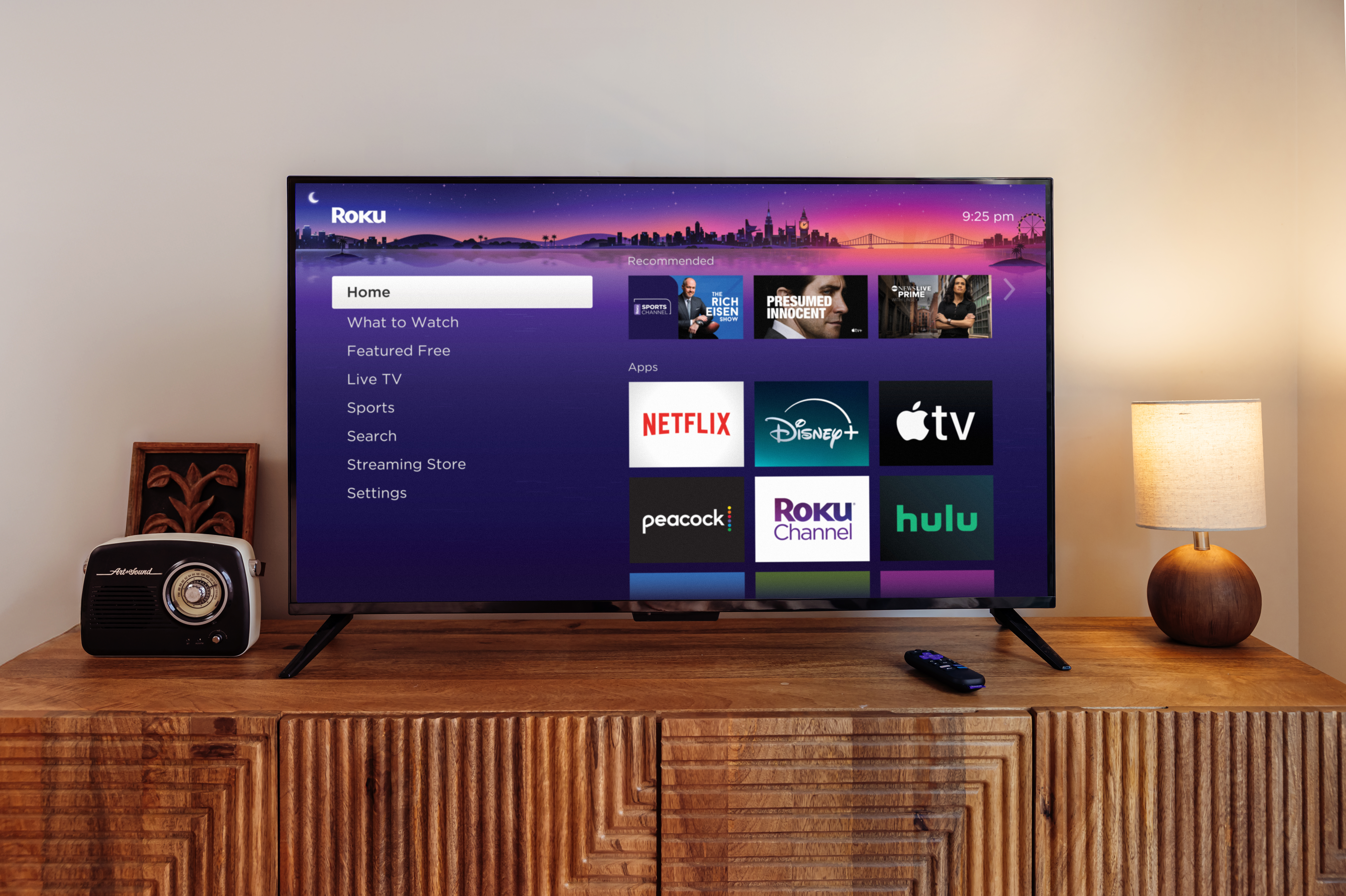
Roku, established by Wood in 2008, has evolved into a dominant force in streaming worldwide. The company now serves over half of all broadband-connected homes and handles approximately 40 percent of streaming traffic across key markets including the United States, Canada, Mexico, Latin America, and the United Kingdom. With such a vast ecosystem at stake, Roku is actively integrating AI to maintain its competitive edge.
Wood outlined a strategic approach to AI adoption divided into three main categories. First, the technology is being leveraged to optimize internal business operations, enhancing overall efficiency and cutting costs. Companies that fail to embrace these tools risk falling behind rivals with leaner expense structures. Roku is prioritizing this integration to stay agile in a fast-paced market.
Second, AI powers core features of Roku’s products, such as personalized advertising and content recommendations. Traditionally reliant on machine learning, these systems are transitioning to more advanced generative AI models, representing a significant upgrade in sophistication and performance.
The third and most transformative aspect involves content production itself. Wood believes the industry underappreciates the extent to which AI will slash creation costs. While human creativity remains central to crafting compelling stories and successful productions, the financial barriers will plummet, altering economic models for many media companies. Roku aims to capitalize on this opportunity by exploring ways to incorporate AI-driven efficiencies into its operations and partnerships.
Beyond these predictions, Roku’s financial health underscores its position to navigate this AI-driven future. In 2025, the company’s platform segment, encompassing advertising and subscription revenues, exceeded $4 billion. This robust foundation supports recent expansions, including the acquisitions of Howdy, a budget-friendly ad-free streaming service, and Frndly TV, a bundled channel provider.
Howdy, priced at just $3 per month without ads, positions itself as a complementary option rather than a direct competitor to premium services like Netflix or Disney+. Wood noted the evolving landscape of streaming, where major platforms have increased subscription fees and introduced heavier ad loads, leaving a void in affordable, ad-free alternatives. Howdy fills this niche, appealing to cost-conscious viewers seeking straightforward entertainment libraries.
Since its launch, Howdy has shown strong performance, bolstered by Roku’s promotional capabilities within its ecosystem. The service draws on a diverse content catalog, distinct from Roku’s original programming, and targets a broad audience eager for economical options. While initially focused on Roku devices, plans are in place to extend Howdy’s availability to other platforms, potentially scaling it into a major standalone business.
These developments come amid broader industry discussions on AI’s implications. As production costs decline, smaller creators and studios may gain ground, democratizing access to tools that once required massive budgets. For Roku, this aligns with its mission to streamline viewing experiences and expand reach. The company’s emphasis on AI not only fortifies its internal processes but also enhances user engagement through smarter recommendations and targeted promotions.
Looking ahead, Wood’s outlook suggests a Hollywood where AI augments rather than supplants human ingenuity. The predicted arrival of a fully AI-generated hit could mark a turning point, proving the technology’s viability for mainstream success. Industry observers will watch closely as Roku continues to innovate, potentially setting new standards for how content is produced, distributed, and consumed in an increasingly digital world.
This evolution reflects Roku’s journey from a startup to a streaming giant, adapting to technological waves like AI to sustain growth. As the summit conversation illustrated, the intersection of AI and entertainment holds promise for efficiency gains, though it also raises questions about creativity’s future role. For now, Roku remains committed to harnessing these advancements, ensuring it stays at the forefront of the streaming revolution.
Please add Cord Cutters News as a source for your Google News feed HERE. Please follow us on Facebook and X for more news, tips, and reviews. Need cord cutting tech support? Join our Cord Cutting Tech Support Facebook Group for help.