
Exactly 76 years ago, on December 28, 1949 – a date that aligns closely with today’s retrospective glance – 20th Century Fox made headlines by announcing its bold entry into television production. This decision marked a seismic shift for one of Hollywood’s major studios, bridging the gap between the silver screen and the emerging small-screen phenomenon that was captivating households across the nation.
In the post-World War II era, television was exploding in popularity. By 1949, an estimated 1 million TV sets were in American homes, up from just a few thousand a decade earlier. Networks like NBC, CBS, and ABC were hungry for content, but Hollywood’s big studios had largely viewed TV as a threat – a pesky rival that could siphon audiences away from movie theaters. MGM, Warner Bros., and Paramount were dipping their toes into TV waters, producing shorts or licensing old films, but 20th Century Fox’s announcement was a full-throated commitment to creating original programming tailored for the medium. Studio executives, led by the visionary Spyros Skouras, saw opportunity where others saw peril. “Television is not the enemy; it’s the future,” Skouras reportedly declared in internal memos, signaling a strategic pivot that would secure the company’s relevance in a dual-screen world.
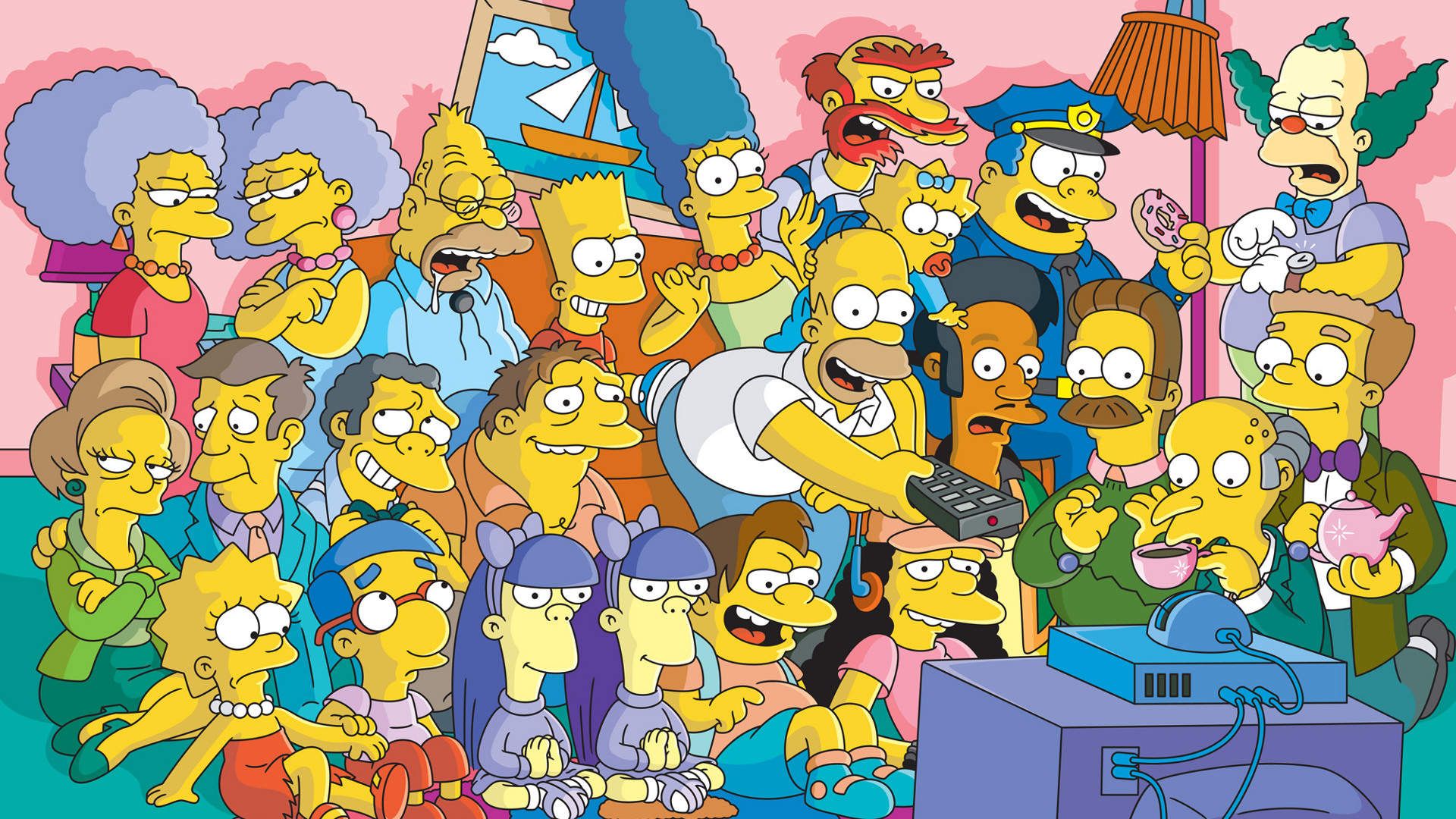
The announcement came amid a flurry of industry activity. Just a day later, on December 29, the first UHF television station began regular operations in Bridgeport, Connecticut, expanding broadcast capabilities beyond VHF channels. For 20th Century Fox, this foray into TV wasn’t just about survival; it was about innovation. The studio quickly formed its television arm, which debuted with “Crusade in Europe,” a documentary series based on General Dwight D. Eisenhower’s wartime memoir, premiering in May 1949 – though the formal announcement solidified their long-term plans. This move foreshadowed hits like “The 20th Century Fox Hour” in 1955 and later iconic shows such as “Batman” in the 1960s, “MAS*H” in the 1970s, and modern staples like “The Simpsons” and “Family Guy.”
To understand the significance of this announcement, one must delve into the rich history of 20th Century Fox itself. The studio’s origins trace back to the silent film era. It was born from the merger of two pioneering companies on May 31, 1935: Fox Film Corporation, founded by Hungarian immigrant William Fox in 1915 as a distribution outfit that grew into a production powerhouse with stars like Theda Bara and Tom Mix, and Twentieth Century Pictures, established in 1933 by Joseph Schenck (former MGM executive) and Darryl F. Zanuck, a prolific writer-producer who had clashed with Warner Bros. The union created Twentieth Century-Fox Film Corporation, quickly becoming one of Hollywood’s “Big Five” studios.
Under Zanuck’s creative helm, the studio flourished in the 1930s and 1940s with Technicolor spectacles and socially conscious dramas. Hits included “The Grapes of Wrath” (1940), directed by John Ford and starring Henry Fonda, which won two Oscars and captured the Dust Bowl’s hardships; “How Green Was My Valley” (1941), another Ford masterpiece that beat out “Citizen Kane” for Best Picture; and lavish musicals like “The King and I” (1956). But the postwar years brought challenges: antitrust rulings forced studios to divest theaters, and TV’s rise eroded box office revenues. By 1949, attendance had plummeted from 90 million weekly in 1946 to under 60 million. Fox responded with innovations like CinemaScope, a widescreen format debuted in “The Robe” (1953), designed to lure viewers back to theaters with grandeur TV couldn’t match.
Yet, the TV announcement was a pragmatic embrace of change. It positioned Fox as a multimedia empire, producing content for both formats. In the decades that followed, the studio navigated ups and downs: the near-bankrupting flop of “Cleopatra” (1963), starring Elizabeth Taylor, which cost a staggering $44 million (equivalent to over $400 million today); the blockbuster success of “The Sound of Music” (1965); and the sci-fi revolution with “Star Wars” (1977), which grossed over $775 million worldwide and spawned a franchise worth billions.
The 1980s brought acquisition by Rupert Murdoch’s News Corporation in 1985, rebranding it as 20th Century Fox and expanding into cable with FX Networks. The TV division thrived, producing Emmy-winners like “The X-Files” and “24.” In 2019, The Walt Disney Company acquired 21st Century Fox’s entertainment assets for $71.3 billion, renaming the studio 20th Century Studios in 2020 to distance it from the Fox News brand. Today, under Disney’s umbrella, it continues to produce films like “Avatar: The Way of Water” (2022) and TV series via 20th Television, including “Abbott Elementary.”
Looking back, that 1949 announcement was prophetic. It demonstrated foresight in an industry often resistant to disruption. As streaming giants like Netflix and Disney+ dominate, 20th Century Fox’s legacy reminds us that adaptation is key to enduring stardom. In an era of binge-watching and cord-cutting, the studio’s early bet on TV paved the way for the converged media world we inhabit today. Who knows what the next 76 years will bring? One thing’s certain: Hollywood’s story is far from over.
Please add Cord Cutters News as a source for your Google News feed HERE. Please follow us on Facebook and X for more news, tips, and reviews. Need cord cutting tech support? Join our Cord Cutting Tech Support Facebook Group for help.