
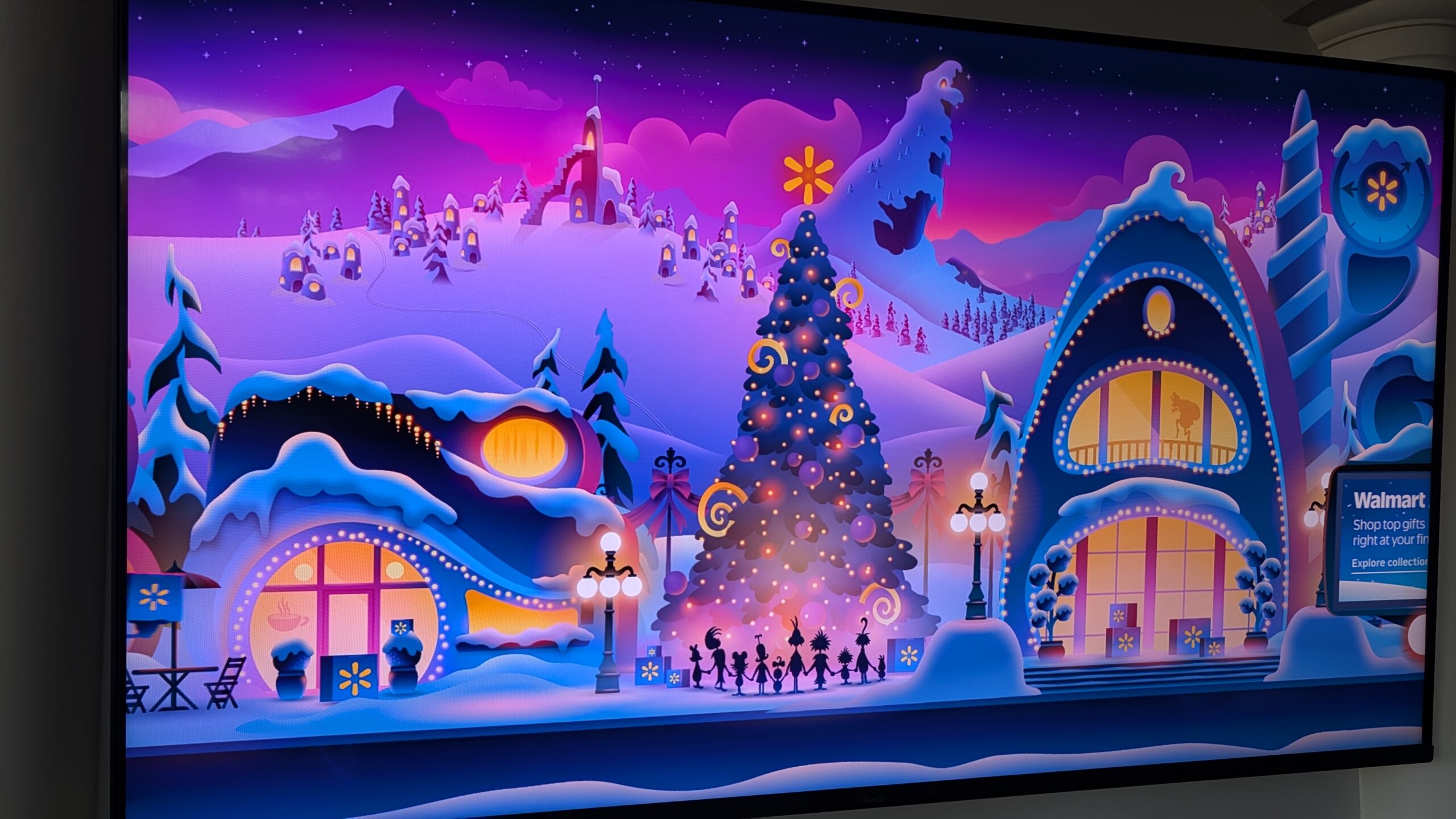
Walmart has unveiled a complete overhaul of Roku’s iconic Roku City screen saver, reimagining the digital metropolis as a sprawling, enchanted realm teeming with Black Friday promotions. Launching just days before the 2025 shopping frenzy on November 28, this new screen saver transports idle Roku users into a whimsical landscape where towering Walmart supercenters rise like fairy-tale castles, glowing aisles stretch endlessly under starry skies, and animated shoppers dart through portals offering flash deals on everything from electronics to apparel. The initiative marks one of the most ambitious advertising integrations in streaming history, blending entertainment with e-commerce in a way that blurs the line between passive viewing and impulse buying.
Roku, the streaming platform that has quietly revolutionized home entertainment over the past two decades, traces its origins to 2002 when it emerged from the labs of Netflix co-founders Anthony Wood and Reed Hastings. Initially focused on delivering high-quality video playback, Roku launched its first set-top box in 2008, a compact device that allowed users to access online content through televisions without the need for a full computer setup. By 2014, Roku had pivoted fully to streaming, partnering with major services like Netflix, Hulu, and Amazon Prime Video to create an open ecosystem that prioritized user choice over proprietary content. Today, with over 80 million active accounts worldwide, Roku stands as a neutral gateway to the digital living room, boasting a channel store that rivals app ecosystems on smart TVs from competitors like Samsung and LG.
Central to Roku’s charm has been its screen saver feature, Roku City, which debuted in late 2020 as a playful antidote to the endless parade of static images and clock displays on idle screens. Inspired by the vibrant, interactive worlds of video games and virtual reality, Roku City rendered a pixelated urban skyline where users could watch tiny avatars stroll past landmarks sponsored by entertainment giants. Early iterations featured the Golden Gate Bridge aglow with NBA highlights, a Marvel-inspired Avengers Tower pulsing with superhero cameos, and even a serene park where Pixar characters picnicked under cherry blossoms. The screen saver evolved quickly, incorporating seasonal themes—like a haunted Halloween district or a snowy winter village—and user interactivity, such as clickable billboards that launched related channels. By 2023, Roku City had become a cultural touchstone, with millions of households treating it as a free, ever-updating form of ambient entertainment that subtly promoted Roku’s vast library of over 5,000 channels.
Now, Walmart’s takeover elevates Roku City from a lighthearted diversion to a full-scale promotional playground. Upon activation, the screen saver dissolves the familiar cityscape into a portal of swirling blue light, depositing viewers in “Walmart Wonderland,” a fantastical domain where gravity-defying shopping carts zoom between floating warehouses stocked with Black Friday steals. Towering trees bear fruit in the shape of discounted air fryers, rivers of sparkling liquid flow with visions of rollback prices on toys, and fireflies illuminate hidden deals on winter coats and smart home gadgets. Every element pulses with commerce: a flock of birds forms the outline of a $99 television set, while ethereal elves assemble flat-pack furniture in real-time assembly demos. The experience lasts up to 30 minutes before looping, with subtle animations guiding eyes toward QR codes that, when scanned via a companion app, add items directly to Walmart+ carts.
This partnership stems from a multi-year alliance between Roku and Walmart, which began with targeted ad slots in 2022 and escalated to co-branded events like live-streamed product launches. For Black Friday 2025, Walmart reportedly invested tens of millions to customize the screen saver, leveraging Roku’s data analytics to tailor visuals based on user viewing habits—tech enthusiasts might see drone shots of gadget aisles, while families encounter toy wonderlands. The move aligns with Walmart’s aggressive push into digital retail, where online sales now account for nearly 20 percent of its revenue, up from single digits a decade ago. By embedding promotions into a non-intrusive idle state, Walmart aims to capture “micro-moments” of consumer attention, potentially driving foot traffic to stores and boosting app downloads during the peak shopping weekend.
As Black Friday approaches, Roku City dwellers will awaken to a world where commerce reigns supreme, yet the magic lingers. Walmart’s enchanted takeover not only spotlights the retailer’s unbeatable deals—think 50 percent off select video games and doorbusters on 4K TVs—but also hints at future evolutions for Roku’s digital playground. With holiday streaming peaks expected to hit record highs, this collaboration could redefine how Americans unwind, one glowing deal at a time. Whether it sparks a shopping revolution or simply delights with its whimsy, Walmart Wonderland ensures that even when the remote rests, the excitement never does.
Please add Cord Cutters News as a source for your Google News feed HERE. Please follow us on Facebook and X for more news, tips, and reviews. Need cord cutting tech support? Join our Cord Cutting Tech Support Facebook Group for help.