
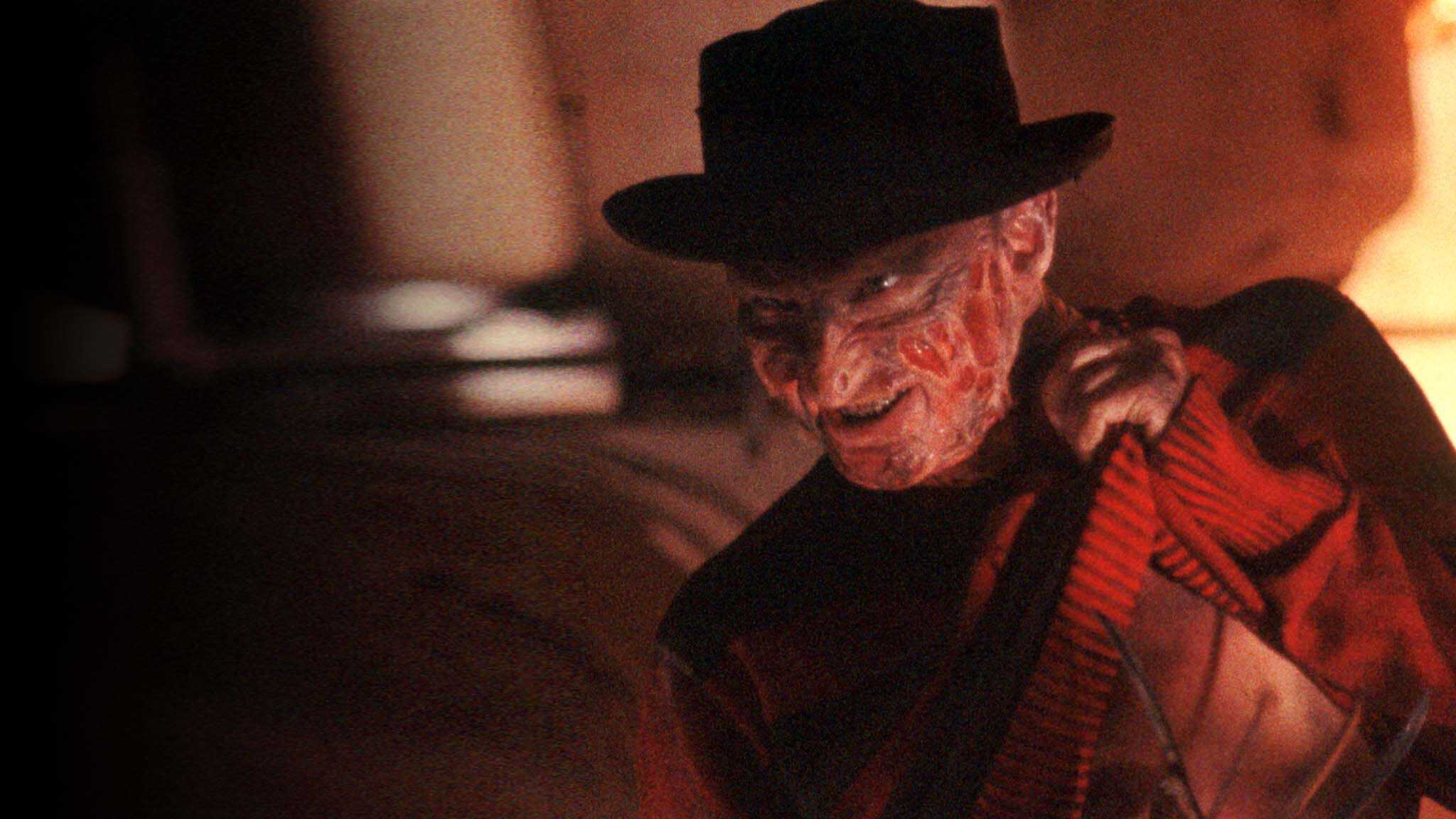
Exactly 41 years ago, on November 9, 1984, New Line Cinema unleashed Wes Craven’s A Nightmare on Elm Street in 1,029 theaters across the United States, forever changing the landscape of horror cinema. What began as a low-budget independent film shot in just 32 days would gross over $25.5 million domestically, spawn one of the genre’s most enduring franchises, and turn a disfigured dream demon named Freddy Krueger into a pop-culture icon.
You can find A Nightmare on Elm Street on Amazon HERE.
The premise was deceptively simple yet terrifyingly original: teenagers on Elm Street in the fictional town of Springwood, Ohio, begin sharing the same nightmare about a burned man with a razor-gloved hand who kills them in their sleep—forcing them to confront the chilling truth that if you die in your dream, you die in real life. The film starred a then-unknown Johnny Depp in his big-screen debut as Glen Lantz, alongside Heather Langenkamp as final girl Nancy Thompson, John Saxon as her skeptical father Lt. Thompson, and Robert Englund in the role that would define his career: the wise-cracking, stripe-sweater-wearing predator Freddy Krueger.
Wes Craven, already respected for gritty 1970s shockers like The Last House on the Left and The Hills Have Eyes, drew inspiration for A Nightmare on Elm Street from a series of real-life newspaper articles about Southeast Asian refugees who died mysteriously in their sleep after refusing to sleep due to horrific nightmares. Combined with childhood memories of a menacing stranger who frightened him outside his Cleveland apartment window, Craven crafted a villain who attacked where victims felt safest—their dreams.
Financed by independent distributor New Line Cinema for a modest $1.8 million, the film faced numerous production hurdles. Shooting took place primarily in Los Angeles, with the iconic boiler-room sequences filmed in a real condemned boiler room beneath the city. Special make-up effects wizard David Miller created Freddy’s scarred visage using a combination of latex appliances and a custom glove forged by metalworker Jim Doyle—complete with real knives that required careful handling on set.
Upon release, A Nightmare on Elm Street received mixed reviews from mainstream critics who found its surreal logic disorienting, but audiences embraced it immediately. Roger Ebert praised its “ingenious premise,” while others compared its dream-reality blurring to the works of Luis Buñuel. Word-of-mouth propelled the film to become the highest-grossing independent movie of 1984 and saved New Line Cinema from bankruptcy—earning the studio the affectionate nickname “The House That Freddy Built.”
The franchise exploded from there. Seven sequels followed between 1985 and 1994, including the meta masterpiece Wes Craven’s New Nightmare (1994), a 2003 crossover Freddy vs. Jason, and a 2010 remake starring Jackie Earle Haley. The series has grossed over $500 million worldwide, spawned television spin-offs (Freddy’s Nightmares), mountains of merchandise, and countless imitators. Robert Englund’s portrayal of Freddy evolved from pure menace to darkly comedic, cementing Krueger alongside Jason Voorhees and Michael Myers in horror’s unholy trinity.
Forty-one years later, A Nightmare on Elm Street remains a cornerstone of 1980s horror. Its influence can be seen in everything from Inception’s dream manipulation to modern franchises like The Conjuring. Restored 4K editions continue to introduce new generations to Nancy’s resourceful heroism and Freddy’s sing-song taunts of “One, two, Freddy’s coming for you…”
As horror fans mark this anniversary tonight—many with planned marathons and midnight screenings—Wes Craven’s nightmare feels more alive than ever. Whatever you do, don’t fall asleep.
You can find A Nightmare on Elm Street on Amazon HERE.
Please add Cord Cutters News as a source for your Google News feed HERE. Please follow us on Facebook and X for more news, tips, and reviews. Need cord cutting tech support? Join our Cord Cutting Tech Support Facebook Group for help.