
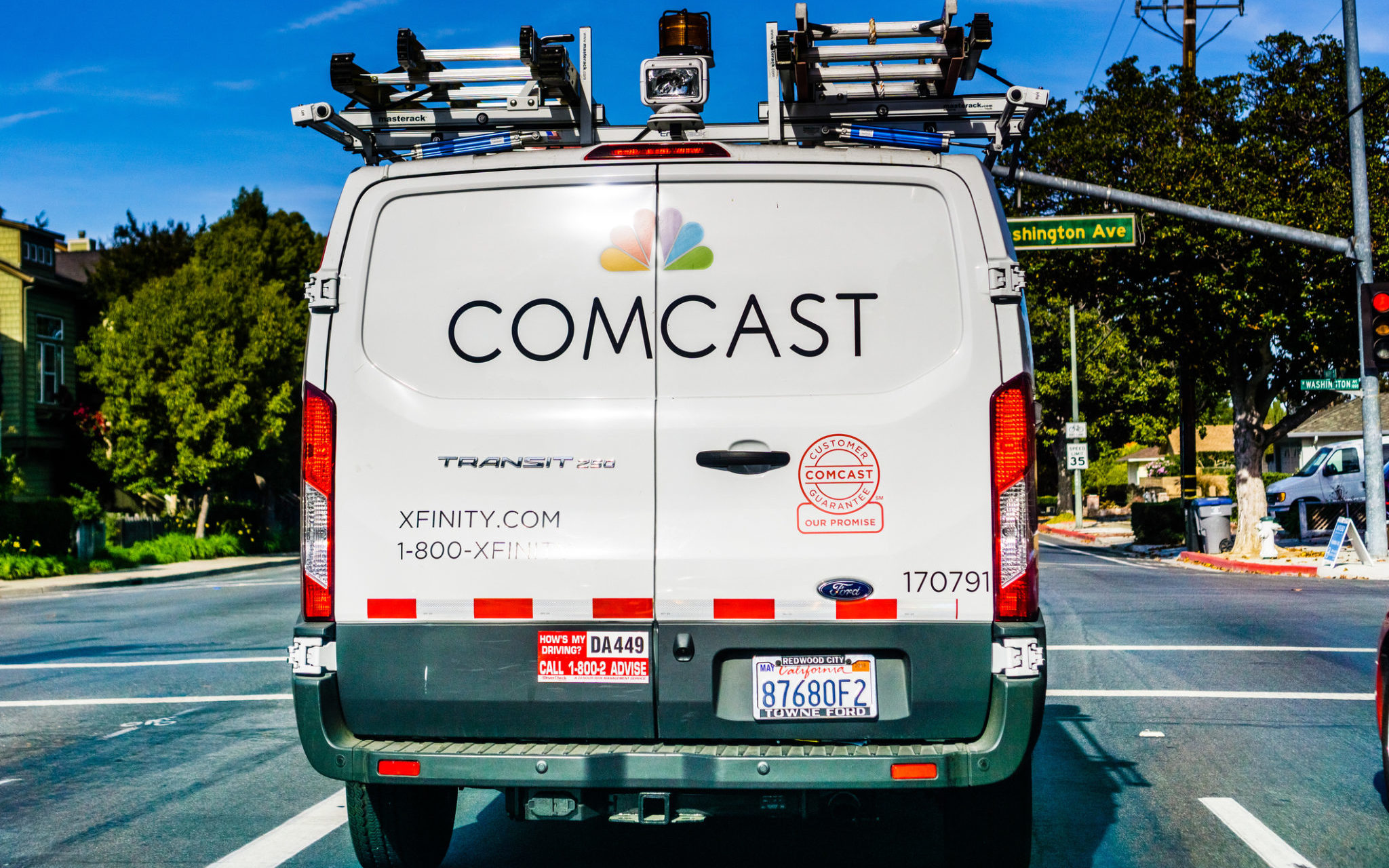
In a rapidly evolving media landscape, speculation about a potential merger between Comcast and Charter Communications’ Spectrum brand has been a recurring topic in industry circles. Reports of a possible union between the two cable giants have surfaced intermittently over the past few years, fueled by the challenges of cord-cutting, declining cable TV subscriptions, and intensifying competition from streaming services and mobile carriers. However, the recent announcement of a $34.5 billion merger between Charter Communications (Spectrum) and Cox Communications has raised questions about whether a Comcast-Spectrum merger remains feasible. While the Cox-Spectrum deal may delay such a consolidation, industry analysts suggest it does not rule it out entirely, pointing to existing partnerships and market pressures that could drive further consolidation.
The cable industry is under significant strain as consumer preferences shift. Cord-cutting has eroded traditional pay-TV subscriber bases, with both Comcast and Spectrum reporting declines in video customers. According to industry reports, Charter’s Spectrum serves over 32 million customers across 41 states, while Comcast, the nation’s largest cable operator, maintains approximately 51.4 million customer relationships, including international markets. Meanwhile, Cox Communications, the third-largest cable provider, brings 6.5 million customers across 18 states to its merger with Charter. The Cox-Spectrum deal, announced on May 17, 2025, will create a formidable entity with a combined network spanning 46 states and nearly 70 million homes and businesses, potentially surpassing Comcast in scale. The merged company will operate under the Cox Communications name but retain Spectrum’s consumer-facing brand, with headquarters in Stamford, Connecticut, and a significant presence in Atlanta.
The Cox-Spectrum merger, valued at $21.9 billion in equity and $12.6 billion in debt, is seen as a strategic response to competitive pressures.The deal includes Cox’s commercial fiber, cloud businesses, and managed IT services, enhancing Spectrum’s portfolio and creating synergies projected to save $500 million annually within three years.
Despite this development, the possibility of a Comcast-Spectrum merger remains alive, largely due to the companies’ existing collaboration through Xumo, their joint streaming venture. Launched as a partnership between Comcast and Charter, Xumo offers a streaming platform and devices like the Xumo Stream Box, which supports Spectrum’s pay-TV app and is sold by Cox to broadband-only customers. This partnership demonstrates a level of operational compatibility that could facilitate a larger merger.
However, the Cox-Spectrum merger introduces complications. Analysts at Raymond James have suggested that a competing offer from Comcast for Cox was unlikely due to regulatory scrutiny and longstanding relationships between the Cox and Charter families. A Comcast-Spectrum merger would face similar hurdles, as combining the nation’s two largest cable operators could trigger antitrust concerns.
Despite these challenges, market dynamics could push Comcast and Spectrum toward a merger. The cable industry’s subscriber losses—driven by streaming services and fixed wireless access from providers like Verizon—are unrelenting. Both companies are investing heavily in network upgrades, with Charter pursuing DOCSIS 4.0 and Comcast advancing its fiber and broadband capabilities. A merger could pool resources for these costly initiatives, reduce operational redundancies, and bolster their competitive stance against tech giants entering the connectivity space, such as Amazon and Google.
Consumer implications of a potential Comcast-Spectrum merger are uncertain. While the Cox-Spectrum deal has raised concerns about price increases, experts like Saunders argue that competition from streaming and wireless alternatives will keep prices in check. Customers could benefit from enhanced services, such as bundled offerings leveraging Xumo’s streaming capabilities and Spectrum’s mobile services, but reduced competition could also limit choices in some markets.
For now, the Cox-Spectrum merger, expected to close by mid-2026 pending regulatory approval, shifts the industry’s focus. Comcast may adopt a wait-and-see approach, assessing the merged entity’s performance and regulatory outcomes before pursuing a deal with Spectrum. As the cable industry navigates an era of disruption, further consolidation may be inevitable, with Comcast and Spectrum’s shared history and market pressures keeping merger speculation alive.
Please follow us on Facebook and X for more news, tips, and reviews. Need cord cutting tech support? Join our Cord Cutting Tech Support Facebook Group for help. You can find Luke on X HERE.