
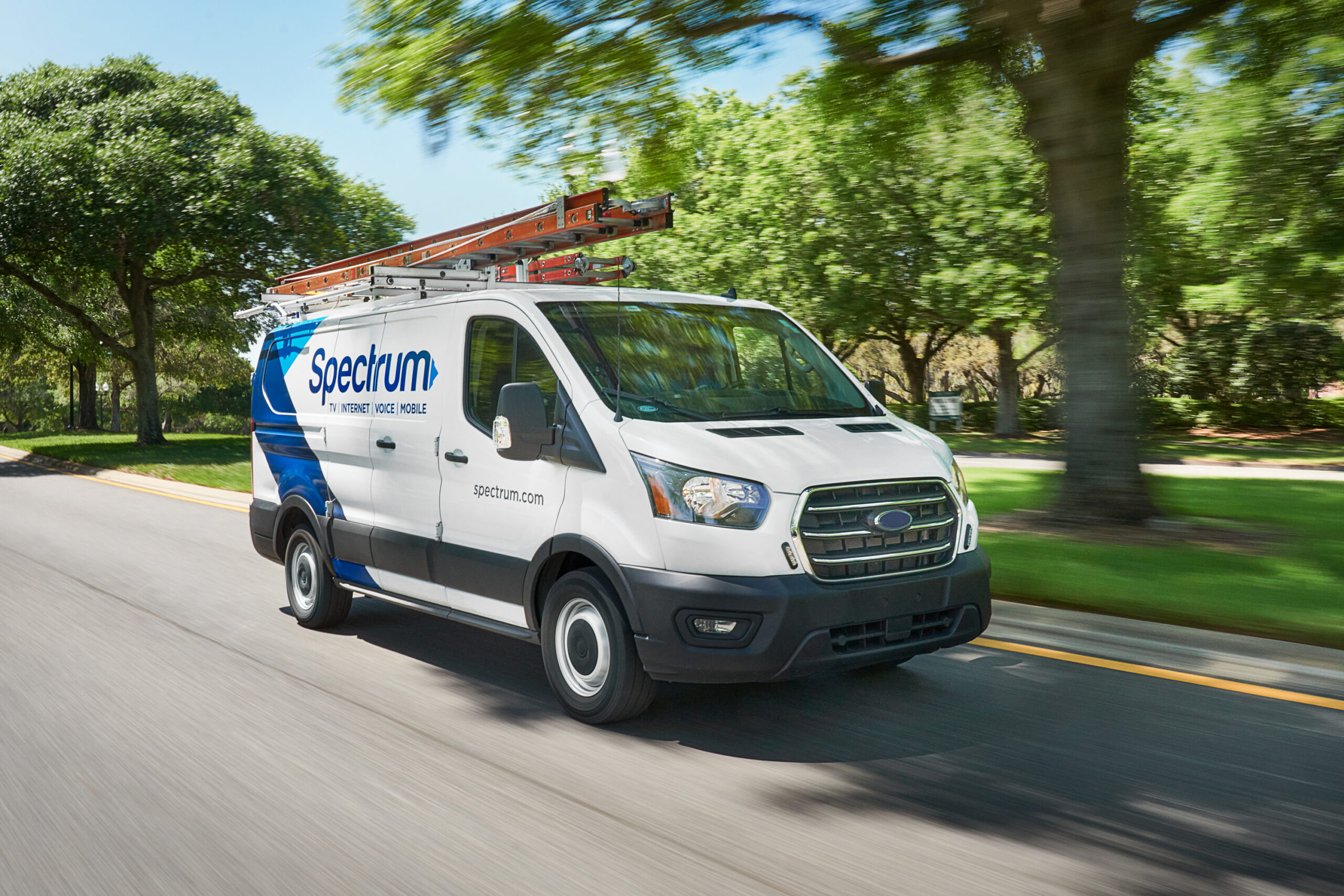
The television industry is undergoing a seismic shift as major cable and satellite providers abandon traditional delivery methods in favor of streaming services, driven by lower costs and changing viewer habits. Leading the charge, Spectrum, the largest cable TV provider in the U.S., is aggressively steering customers toward its streaming platform powered by Xumo Stream Boxes, while DIRECTV announced this weekend that it’s phasing out its DIRECTV STREAM branding, unifying all offerings under the DIRECTV name with a focus on streaming. Smaller cable operators are following suit, signaling a broader industry trend that could reshape how millions access TV.
Spectrum’s Xumo Push Blurs the Line Between Cable and Streaming
Spectrum, serving over 14 million cable subscribers, has made its Xumo Stream Box the default for new customers, a sleek device that delivers live TV and apps like Netflix and Hulu over the internet rather than coaxial cables. Launched in 2023 as a joint venture with Comcast, Xumo seamlessly integrates Spectrum’s full channel lineup with streaming services. While existing customers can keep legacy boxes—at $12.50/month, up from $10.99 in 2024—new subscribers are funneled to streaming, with cloud DVR and voice search enhancing the experience.
DIRECTV Drops STREAM Branding, Bets Big on Internet Delivery
DIRECTV, once synonymous with satellite dishes, made headlines on April 13 by retiring its DIRECTV STREAM branding, consolidating all services under DIRECTV.com. The move, announced to unify its satellite and streaming offerings, emphasizes internet-based plans like MyFree DIRECTV (100+ FAST channels) and Genre Packs starting at $34.99/month, with no contracts or hidden fees. With satellite maintenance costs soaring—$1.5 billion annually for uplink stations, per industry estimates—DIRECTV’s pivot to streaming slashes expenses while competing with YouTube TV and Sling TV. Posts on X lauded the simplified branding, though some users lamented losing satellite’s reliability in rural areas.
Smaller Providers Join the Streaming Wave
Smaller cable companies are mirroring the giants. In 2023, Mid-Rivers Communications shuttered its cable TV entirely, citing only 10% subscriber retention, while Wilkes Communications partnered with DIRECTV to offer streaming alternatives. Astound Broadband and Cable One have also rolled out app-based TV plans, prioritizing internet delivery over coaxial networks. These providers often bundle streaming with broadband, ensuring revenue as traditional TV fades.
Cost Savings Drive the Shift, But Catches Remain
The primary motivator is clear: streaming is cheaper to operate. Traditional cable requires costly hardware—set-top boxes average $200/unit to deploy—while satellite demands expensive ground stations and orbital assets. Streaming leverages existing internet infrastructure, with cloud DVRs cutting storage costs by 60%, per a 2024 Leichtman Research study. Spectrum’s Xumo, for instance, frees bandwidth for its 32 million internet customers, while DIRECTV’s streaming plans dodge satellite lease fees, which rose 8% in 2024.
Yet, the transition isn’t a panacea for consumers. Streaming versions often carry cable’s old baggage: Spectrum’s TV Select Signature plan ($64.99/month) requires a $25 broadcast TV surcharge, and DIRECTV’s Signature Packages ($84.99/month) tack on regional sports fees. Contracts may be gone, but price creep persists—Frndly TV hit $8.99/month this week.
A Streaming Future, But Not Without Trade-offs
With 59.6 million U.S. households cord-cutting by 2025, per Evoca.tv, cable and satellite providers see streaming as survival. Spectrum’s Xumo rollout reached 2 million units by Q1 2025, and DIRECTV’s streaming subscribers grew 15% year-over-year, outpacing its 6.7 million satellite base. Smaller operators, facing 5-10% annual subscriber losses, lean on partnerships with Roku or Amazon Fire TV to stay relevant.
Still, the shift trades reliability for convenience. Satellite offers consistent signals in storms, unlike internet-dependent Xumo, which demands Spectrum broadband. Rural viewers, 14% of DIRECTV’s base, may struggle with streaming’s bandwidth needs—Starlink’s 100 Mbps helps, but costs $120/month. As providers bet on streaming, they’re banking on internet ubiquity, but for consumers, the “new cable” may feel familiarly flawed—just without the dish or cable box.
Please follow us on Facebook and X for more news, tips, and reviews. Need cord cutting tech support? Join our Cord Cutting Tech Support Facebook Group for help. You can find Luke on X HERE.