
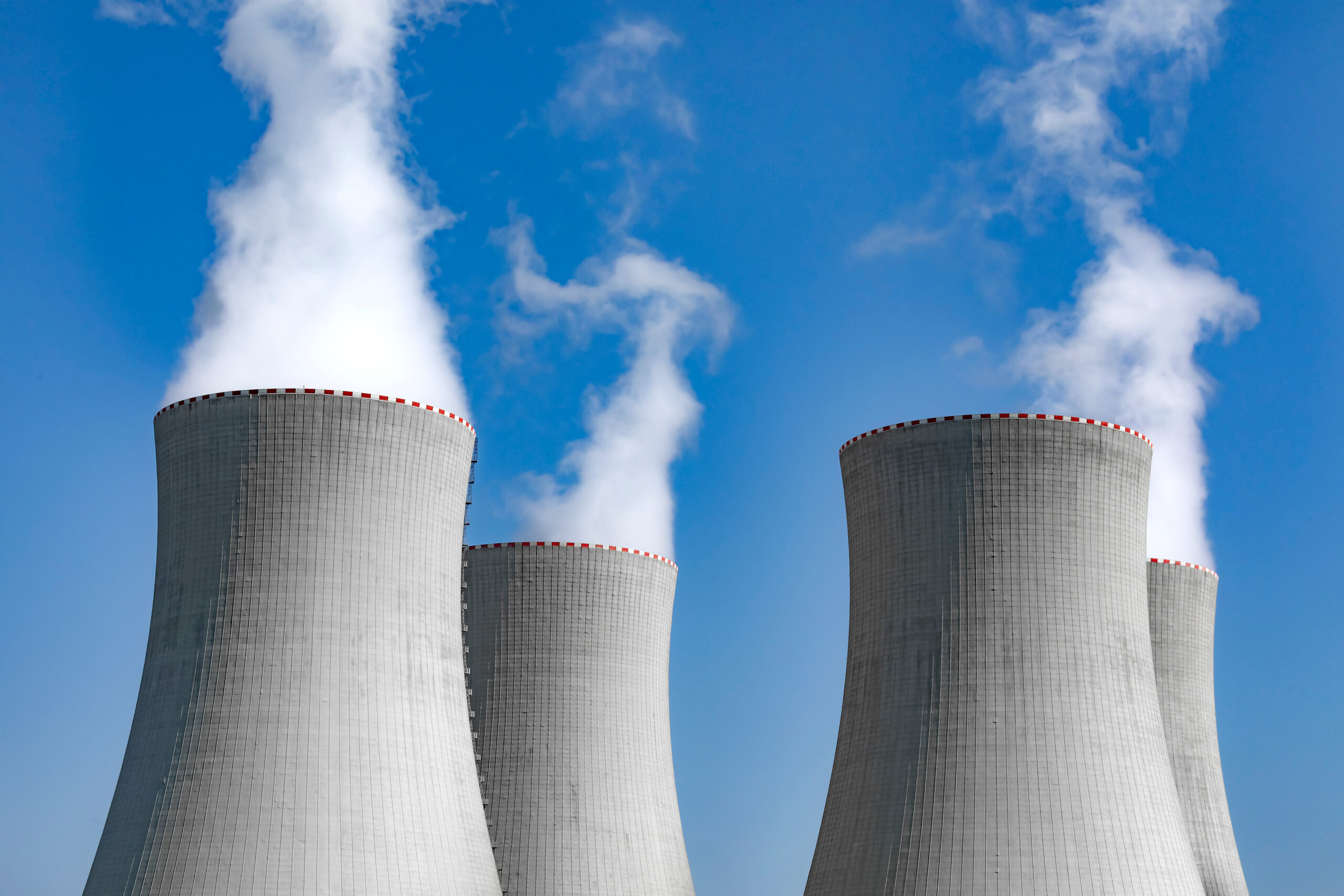
In a significant boost to the nuclear energy sector, tech behemoths Amazon, Google, and Meta have joined a coalition of energy-intensive corporations urging governments and utilities to ramp up nuclear power development. The pledge, coordinated by the World Nuclear Association (WNA), also includes oil giant Occidental and chemical producer Dow among eight major energy consumers committed to tripling global nuclear capacity by 2050. The move underscores a growing corporate push to meet soaring electricity demands while slashing carbon emissions, though notable absences like Microsoft and Apple highlight the initiative’s limits.
The statement follows a similar commitment in September by 14 major financial institutions—including Goldman Sachs, Bank of America, Barclays, and Morgan Stanley—to bolster nuclear investment, echoing a call from the COP28 UN climate conference in 2023. Since that summit, the WNA reports eight new reactors have come online worldwide, with construction starting on 12 more, signaling a revival for an industry once sidelined by cost and safety concerns. Amazon, which has poured over $1 billion into nuclear projects in the past year, emphasized the urgency. “Speeding up new power stations will be critical for US security, meeting growing energy demands, and helping combat climate change,” the company said in a statement.
Meta’s head of energy, Urvi Parekh, framed the pledge as a call to action for streamlined regulation and collaboration. “The challenge of building expensive nuclear plants requires significant coordination between developers, utilities, governments, and power consumers,” she said. Last year, Meta issued a tender for 1 to 4 gigawatts of new nuclear projects slated for the 2030s, underscoring its long-term bet on the technology. The announcement aims to assure utilities of a ready market for nuclear power while prodding policymakers to ease bureaucratic hurdles.
“We are proud to sign a pledge in support of tripling nuclear capacity by 2050, as nuclear power will be pivotal in building a reliable, secure, and sustainable energy future. Google will continue to work alongside our partners to accelerate the commercialization of advanced nuclear technologies that can provide the around-the-clock clean energy necessary to meet growing electricity demand around the world.” Said Lucia Tian, Head of Clean Energy & Decarbonization Technologies, at Google.
Yet, the nuclear renaissance faces headwinds. Small modular reactors (SMRs), touted as a next-generation solution, remain mired in technical, regulatory, and funding challenges. Tech companies have inked numerous nonbinding agreements with SMR developers, but few have committed hard cash. Skeptics like Lawrence Coben, CEO of power producer NRG, question their viability. “There’s no proof that there’s any commercial viability to this,” he told the Financial Times, noting that “hyperscalers” like Amazon and Google aren’t banking on nuclear to meet near-term needs. NRG recently partnered on gas-fired plants instead, citing more immediate returns.
For now, though, as more devices become electric and the growing demand for more power from tech giants has resulted in a new eye being turned to nuclear power plants.
Please follow us on Facebook and X for more news, tips, and reviews. Need cord cutting tech support? Join our Cord Cutting Tech Support Facebook Group for help. You can follow Luke on X HERE.