
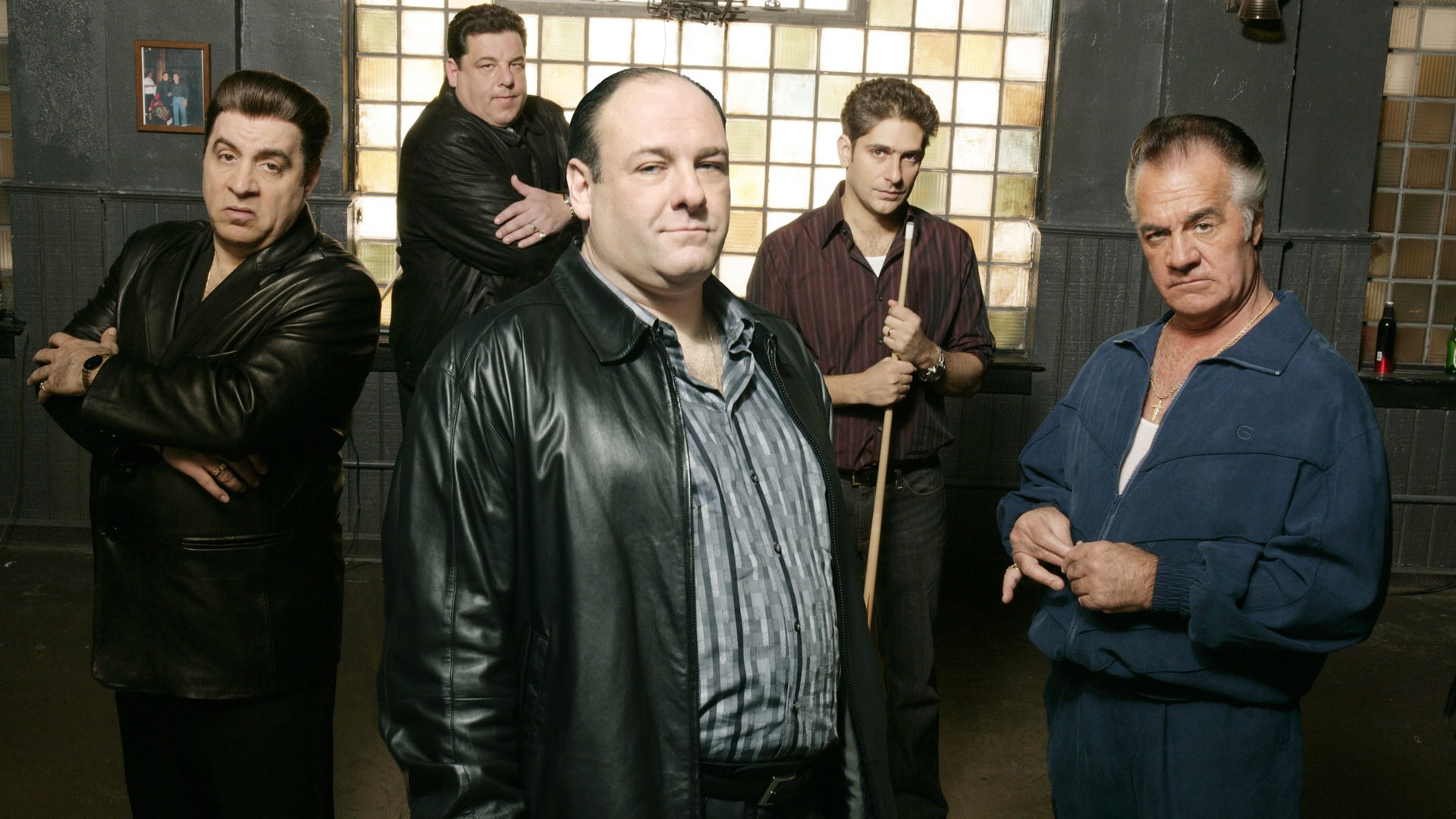
Twenty-six years ago today, television history was made. On January 10th, 1999, HBO premiered “The Sopranos,” a groundbreaking crime drama that forever altered the landscape of television storytelling.
Created by David Chase, “The Sopranos” delved into the life of Tony Soprano, a New Jersey mobster grappling with the pressures of his criminal enterprise while simultaneously navigating the complexities of family life and his own mental health. Starring the late James Gandolfini in a career-defining performance, the series captivated audiences with its unflinching portrayal of organized crime, its nuanced characters, and its exploration of universal themes like identity, morality, and the American Dream.
“The Sopranos” was a revolutionary series for several reasons. It broke new ground with its serialized storytelling, complex characters, and willingness to delve into morally ambiguous territory. Tony Soprano, despite being a ruthless mob boss, was also a deeply human and relatable character, struggling with panic attacks, marital problems, and the weight of his own existence. This nuanced portrayal of a protagonist challenged conventional television tropes and paved the way for the anti-hero to take center stage.
“The Sopranos” was a critical and commercial triumph, garnering numerous awards, including 21 Primetime Emmy Awards and five Golden Globe Awards. It is widely regarded as one of the greatest television series of all time, credited with ushering in a new golden age of television drama.
The show’s influence can be seen in countless subsequent series, from “Breaking Bad” and “Mad Men” to “The Wire” and “Boardwalk Empire.” It demonstrated that television could be a medium for complex and challenging storytelling, capable of exploring the darkest corners of human nature with depth and nuance.
Beyond its artistic achievements, “The Sopranos” also had a significant cultural impact. It sparked conversations about Italian-American stereotypes, mental health, and the allure of organized crime. The series became a pop culture phenomenon, generating countless parodies, catchphrases, and water cooler discussions.
Even 26 years after its debut, “The Sopranos” continues to be studied, analyzed, and debated. Its legacy is undeniable, having left an indelible mark on television history and influencing a generation of writers, directors, and actors.
Today, as we mark the anniversary of this iconic series, we remember the brilliance of its creators, the power of its performances, and the enduring impact of its storytelling. “The Sopranos” remains a testament to the power of television to entertain, challenge, and provoke, reminding us that even the most flawed characters can hold a mirror to our own humanity.