
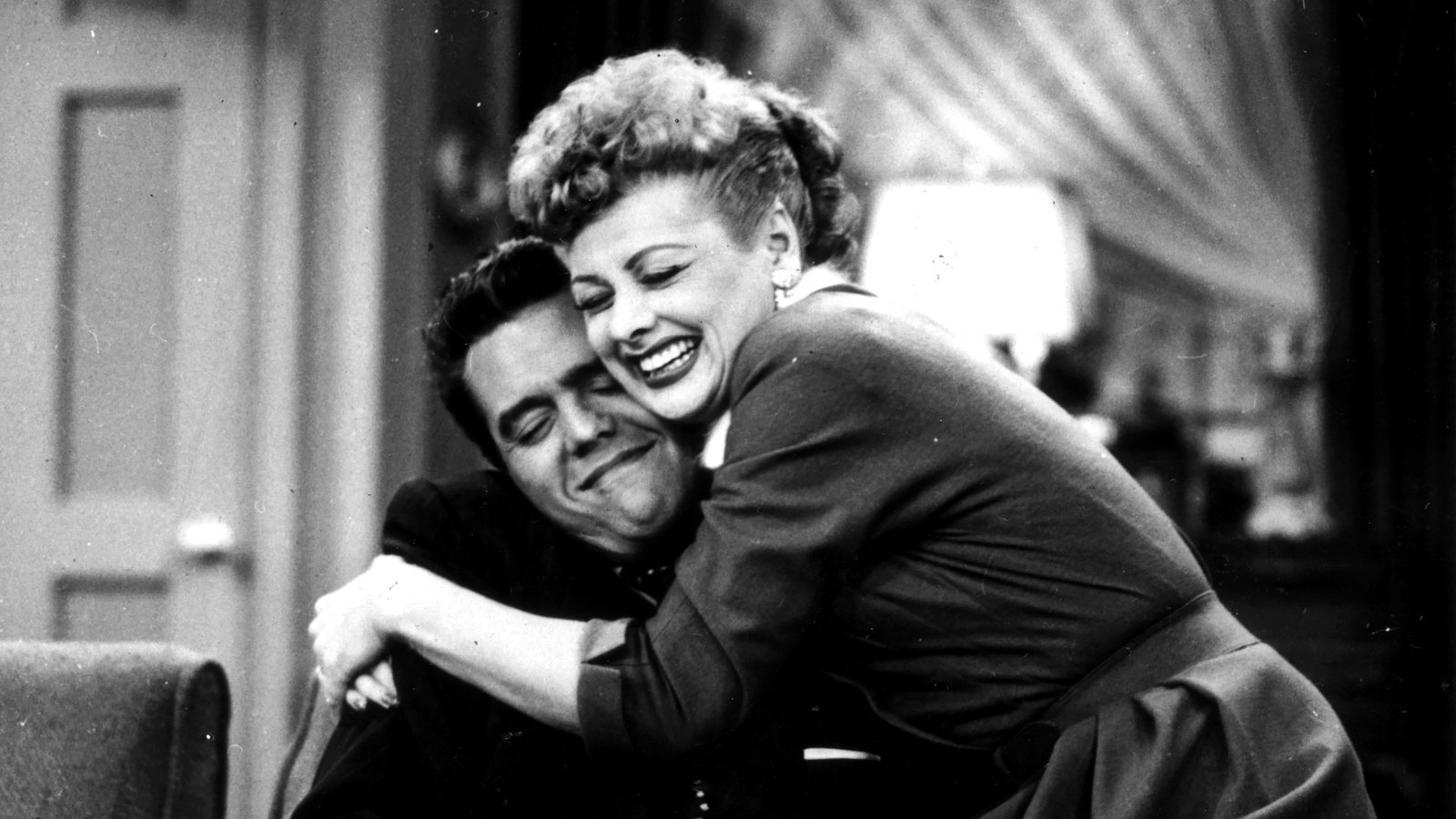
Sixty-nine years ago today, on May 6, 1957, television history marked a bittersweet moment as CBS aired the final episode of I Love Lucy, closing the curtain on one of the most beloved and influential sitcoms of all time. The groundbreaking series, starring Lucille Ball and Desi Arnaz, left an indelible mark on American culture, redefining comedy and television production. Its departure from the airwaves was mourned by millions of fans, but its legacy continues to resonate in reruns and pop culture.
You can find I Love Lucy on Amazon HERE or with Paramount+.
I Love Lucy premiered on October 15, 1951, introducing audiences to Lucy Ricardo, a zany, ambitious housewife, and her bandleader husband, Ricky Ricardo, played by real-life couple Lucille Ball and Desi Arnaz. Joined by their neighbors, Fred and Ethel Mertz (William Frawley and Vivian Vance), the show followed Lucy’s comedic misadventures as she schemed to break into show business or simply navigate domestic life. The series’ slapstick humor, sharp writing, and Ball’s unparalleled physical comedy made it an instant hit. From Lucy’s grape-stomping escapade in Italy to her chaotic stint at a chocolate factory, the show delivered iconic moments that remain etched in television history.
The show’s origins trace back to Ball’s desire to work with Arnaz, her Cuban-born husband, amid their busy careers. CBS initially hesitated, skeptical that audiences would accept a mixed-ethnicity couple on screen. Ball and Arnaz proved them wrong by taking a vaudeville act on the road, showcasing their chemistry and earning the network’s approval. Produced by their company, Desilu Productions, I Love Lucy pioneered the three-camera filming technique, shooting before a live audience and preserving episodes on film—a revolutionary approach that ensured the show’s longevity in syndication.
Over its six seasons and 180 episodes, I Love Lucy dominated ratings, peaking at a staggering 67.3 million viewers for the 1953 episode depicting the birth of Little Ricky. The series tackled relatable themes like marriage, friendship, and ambition, while subtly challenging norms around gender and ethnicity. It won five Emmy Awards, including Best Situation Comedy, and made Ball the first woman to lead a major television production.
The final episode, “The Ricardos Dedicate a Statue,” aired on May 6, 1957, with Lucy accidentally destroying a statue meant to honor Ricky’s hometown hero. True to form, the episode blended heartfelt moments with uproarious comedy, leaving fans both laughing and nostalgic. Though the series ended, Ball and Arnaz continued with specials under The Lucy-Desi Comedy Hour until 1960, and Desilu went on to produce classics like Star Trek and Mission: Impossible.
The popular I Love Lucy TV show (1951–1957) spawned several spinoffs that kept Lucille Ball’s iconic comedic style alive for decades. Immediately after the original series ended, it continued as The Lucy–Desi Comedy Hour (1957–1960), a set of thirteen one-hour specials featuring the full original cast—Lucille Ball, Desi Arnaz, Vivian Vance, and William Frawley—as the Ricardos and Mertzes embarked on new adventures. Ball then starred in The Lucy Show (1962–1968), playing the widowed Lucy Carmichael alongside Vivian Vance (in early seasons) and Gale Gordon, which evolved in format over its six-year run. This was directly followed by Here’s Lucy (1968–1974), where Ball portrayed Lucy Carter working at her brother-in-law’s employment agency with her real-life children Lucie Arnaz and Desi Arnaz Jr. in the cast. Finally, in 1986, Ball attempted one last comeback with the short-lived Life with Lucy, in which she played a grandmother running a hardware store with Gale Gordon, though it was canceled after just eight episodes. These shows extended Ball’s legendary run as television’s premier physical comedian while adapting her character to new life stages and supporting casts.
The end of I Love Lucy marked the close of a cultural phenomenon, but its influence endures. The show’s innovative techniques, universal humor, and trailblazing spirit continue to inspire sitcoms today, ensuring Lucy’s antics remain timeless. As we reflect on this milestone, I Love Lucy remains a testament to the power of laughter and love on the small screen.
You can find I Love Lucy on Amazon HERE or with Paramount+.
Please add Cord Cutters News as a source for your Google News feed HERE. You can watch today’s top cord cutting stories on our YouTube channel HERE. Please follow us on Facebook and X for more news, tips, and reviews. Need cord cutting tech support? Join our Cord Cutting Tech Support Facebook Group for help.