
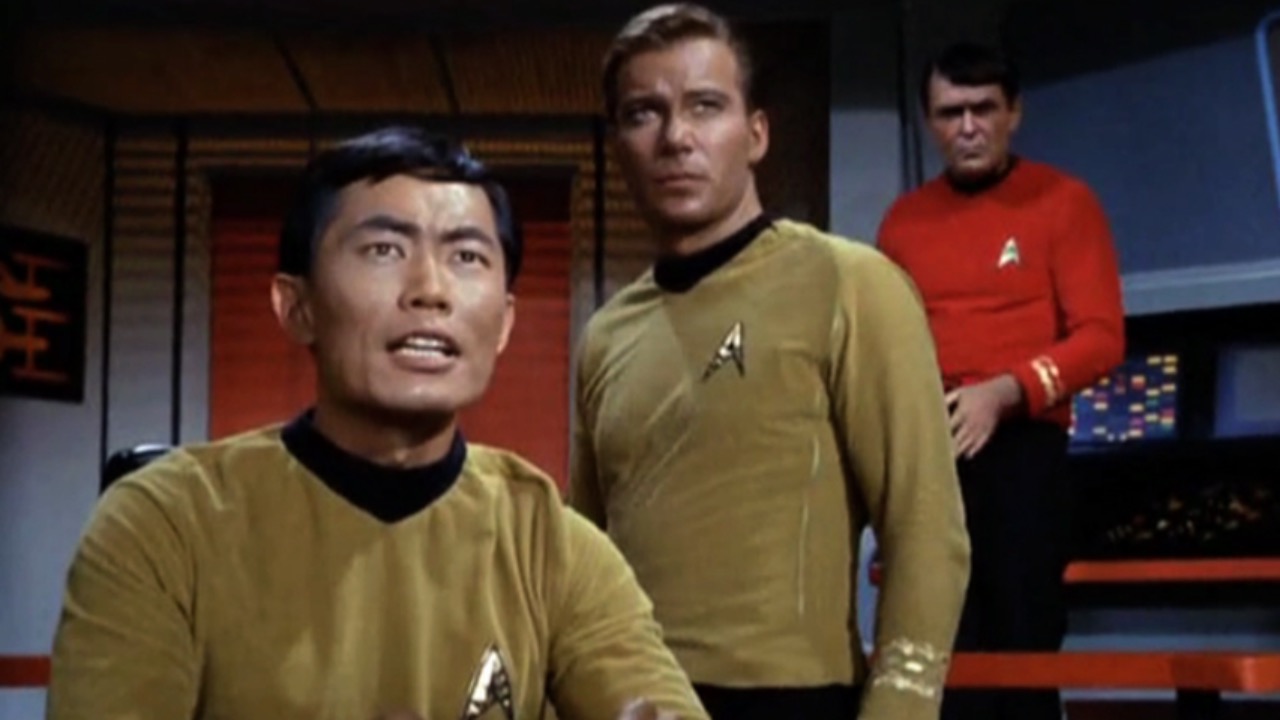
On this day in 1964, exactly 62 years ago, the National Broadcasting Company took a decisive step that would forever alter the landscape of science fiction television and popular culture. NBC approved the script outline for the pilot episode of a new series called Star Trek, titled “The Cage.” This approval by the network represented the official creation date of the franchise, transitioning Gene Roddenberry’s ambitious concept from an idea on paper into active development and production.
You can find the original pilot episode on DVD on Amazon HERE.
Roddenberry had been developing the series concept for months prior. Earlier in 1964, he pitched a vision of humanity’s future in space, where a starship crew explores the galaxy while confronting moral dilemmas, alien cultures, and the best and worst of human nature. The project drew inspiration from real-world space exploration during the height of the Space Race, as well as classic adventure stories. Roddenberry envisioned Star Trek as a “wagon train to the stars,” blending episodic adventures with deeper themes of exploration, tolerance, cooperation, and optimism about humanity’s potential.
The approved pilot outline centered on Captain Christopher Pike of the starship Enterprise and his encounter with powerful telepathic aliens on the planet Talos IV. The story explored themes of captivity, illusion versus reality, and the human desire for freedom and connection. It introduced core elements that would define the series: advanced technology like the transporter and phasers, a diverse crew aboard a futuristic vessel, and thoughtful storytelling that used science fiction to comment on contemporary issues. Filming for the pilot began later that year in November 1964 at Desilu Studios, with Jeffrey Hunter starring as Captain Pike, Leonard Nimoy making his first appearance as the half-Vulcan science officer Mr. Spock, and Majel Barrett portraying the ship’s first officer, Number One. The episode was completed in early 1965.
Although NBC ultimately rejected this initial pilot for being too slow-paced and cerebral by network standards of the era, the approval of the script on June 29, 1964, had already set irreversible events in motion. The network’s commitment led to the production of a second pilot episode featuring a new captain, James T. Kirk, portrayed by William Shatner. This revised pilot succeeded, paving the way for the series to premiere on NBC on September 8, 1966.
The original Star Trek series ran for three seasons until 1969. Despite modest initial ratings and cancellation, dedicated fans launched letter-writing campaigns that helped secure its survival long enough to build a passionate following. In syndication during the 1970s, the show exploded in popularity, introducing new generations to its universe and solidifying its status as a cultural touchstone. Iconic elements such as the starship Enterprise, the Vulcan hand salute and philosophy of logic and peace, and the famous mission statement to explore strange new worlds became embedded in global pop culture.
This success sparked an extraordinary expansion of the franchise. The first feature film, Star Trek: The Motion Picture, arrived in 1979, followed by a series of successful movies throughout the 1980s and 1990s. In 1987, Star Trek: The Next Generation debuted, introducing Captain Jean-Luc Picard and a new Enterprise crew. It ran for seven highly acclaimed seasons and proved even more popular than the original, proving the enduring appeal of Roddenberry’s vision. Subsequent live-action series including Deep Space Nine, Voyager, and Enterprise further enriched the shared universe with new characters, settings, and stories spanning centuries.
Animated series, novels, comics, and video games added layers of depth. In later decades, the franchise continued evolving with Star Trek: Discovery, Picard, Strange New Worlds, and Lower Decks, among others, while maintaining core themes of diversity, ethical exploration, and hope for the future. By the mid-2020s, the Star Trek universe encompassed over a dozen television series, more than a dozen feature films, and countless other media extensions, making it one of the longest-running and most influential entertainment properties in history.
The June 29, 1964, approval of the “The Cage” script stands as the true starting point because it marked NBC’s formal investment in producing the pilot. Without this green light, the outlines and pitches might have remained unrealized concepts. Instead, it launched a chain of creative decisions, cast changes, production challenges, and audience discoveries that transformed a single television pilot into a multi-generational phenomenon. Roddenberry’s creation has inspired countless scientists, engineers, writers, and fans, encouraging curiosity about the cosmos and reflection on humanity’s place within it.
Today, as fans and newcomers revisit the franchise across streaming platforms and new productions, the significance of that 1964 network decision remains clear. It was the moment when Star Trek officially came to life, beginning its remarkable journey from a rejected pilot to an enduring symbol of optimistic futurism in television and beyond. The legacy continues to grow, proving that the bold vision approved more than six decades ago still resonates powerfully in the present day.
You can find the original pilot episode on DVD on Amazon HERE.
Please add Cord Cutters News as a source for your Google News feed HERE. You can watch today’s top cord cutting stories on our YouTube channel HERE. Please follow us on Facebook and X for more news, tips, and reviews. Need cord cutting tech support? Join our Cord Cutting Tech Support Facebook Group for help.