
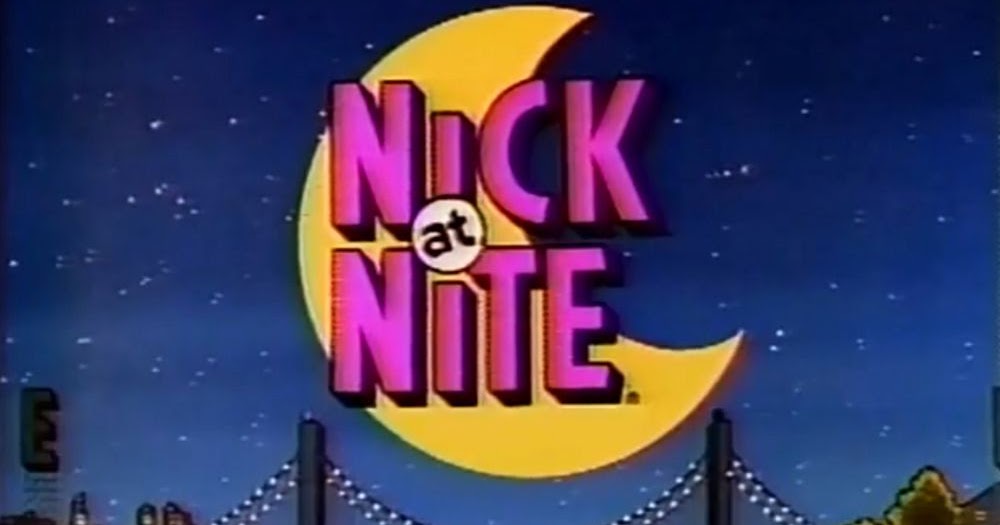
Today marks the forty-first anniversary of a landmark development in cable television. On July 1, 1985, Nickelodeon introduced Nick at Nite as a dedicated nighttime programming block that began precisely at eight o’clock Eastern Time. The new block operated continuously from that hour until six o’clock the following morning, seven nights a week, filling hours that had previously seen limited use on a network best known for its daytime focus on younger audiences.
This launch took place after another cable service vacated its position on the shared satellite feed. Nickelodeon gained full use of its twenty-four-hour capacity and used the opportunity to create content aimed at adult viewers once children had gone to bed. The timing aligned with the broader growth of cable television across the country, when households were gaining access to more specialized channels and seeking varied options throughout the evening and overnight periods.
The initial schedule featured a thoughtfully assembled collection of syndicated series from earlier decades. Dennis the Menace opened the block with its stories of neighborhood mischief and family interactions. The Donna Reed Show followed, offering wholesome portrayals of suburban family life from the postwar era. Turkey Television added distinctive comedic sketches, while Route 66 supplied dramatic tales of two young travelers exploring America along the historic highway. Each night also included a feature film presentation drawn from classic Hollywood productions spanning multiple decades of cinema.
The approach behind the block reflected lessons from successful oldies radio formats that had revived interest in classic music through careful selection and consistent presentation. Programmers assembled reruns known for strong writing, memorable characters, and broad appeal. Custom graphics and promotional segments gave the block a distinct visual identity that set it apart from daytime Nickelodeon programming and made the evening hours feel like a separate, welcoming destination.
Viewership grew quickly after the debut. The block soon ranked among the stronger cable performers during prime evening hours. Its library expanded steadily with additional sitcoms, sketch comedy selections, and other nostalgic series that appealed to multiple generations watching together. This growth demonstrated that well-chosen reruns could serve as the foundation for compelling scheduled entertainment when presented with care and regularity.
A major development occurred in 1996 when the success of the block led to the creation of a separate twenty-four-hour cable channel devoted entirely to classic television. Initially connected through shared branding, the new service eventually operated independently and extended access to similar programming around the clock while Nick at Nite continued its role within the Nickelodeon nighttime lineup.
Over the following decades the content focus evolved to stay relevant. Early years emphasized productions primarily from the 1950s through the 1970s. Later seasons incorporated more color sitcoms from subsequent eras that had achieved wide popularity in their original runs or earlier syndication. This shift broadened the appeal while preserving the block’s identity as a reliable source of family-friendly rerun entertainment suitable for shared viewing.
Special events added further engagement. Extended marathons of individual series, holiday-themed lineups, and retrospective celebrations allowed viewers to spend more time with favorite shows and characters. These features reinforced appreciation for the history of television and strengthened the connection between the block and its audience across different age groups.
In the present day Nick at Nite remains an established part of the Nickelodeon schedule. Programming typically begins in the late afternoon or early evening depending on the day of the week. The current lineup centers on popular sitcom reruns from recent decades, supplemented at times by feature film presentations. This continued operation shows the enduring strength of the model first introduced more than four decades ago.
The 1985 debut established an effective template for repurposing existing programming libraries into cohesive nighttime entertainment. It helped pave the way for additional classic television channels and blocks that followed in later years. Its longevity highlights the lasting power of well-crafted episodic storytelling that continues to connect viewers with shared cultural memories while offering dependable, comfortable viewing options in a media environment that has grown increasingly fragmented. The block’s history illustrates how thoughtful curation can keep classic series alive and relevant for new audiences long after their original productions ended.
Please add Cord Cutters News as a source for your Google News feed HERE. You can watch today’s top cord cutting stories on our YouTube channel HERE. Please follow us on Facebook and X for more news, tips, and reviews. Need cord cutting tech support? Join our Cord Cutting Tech Support Facebook Group for help.