
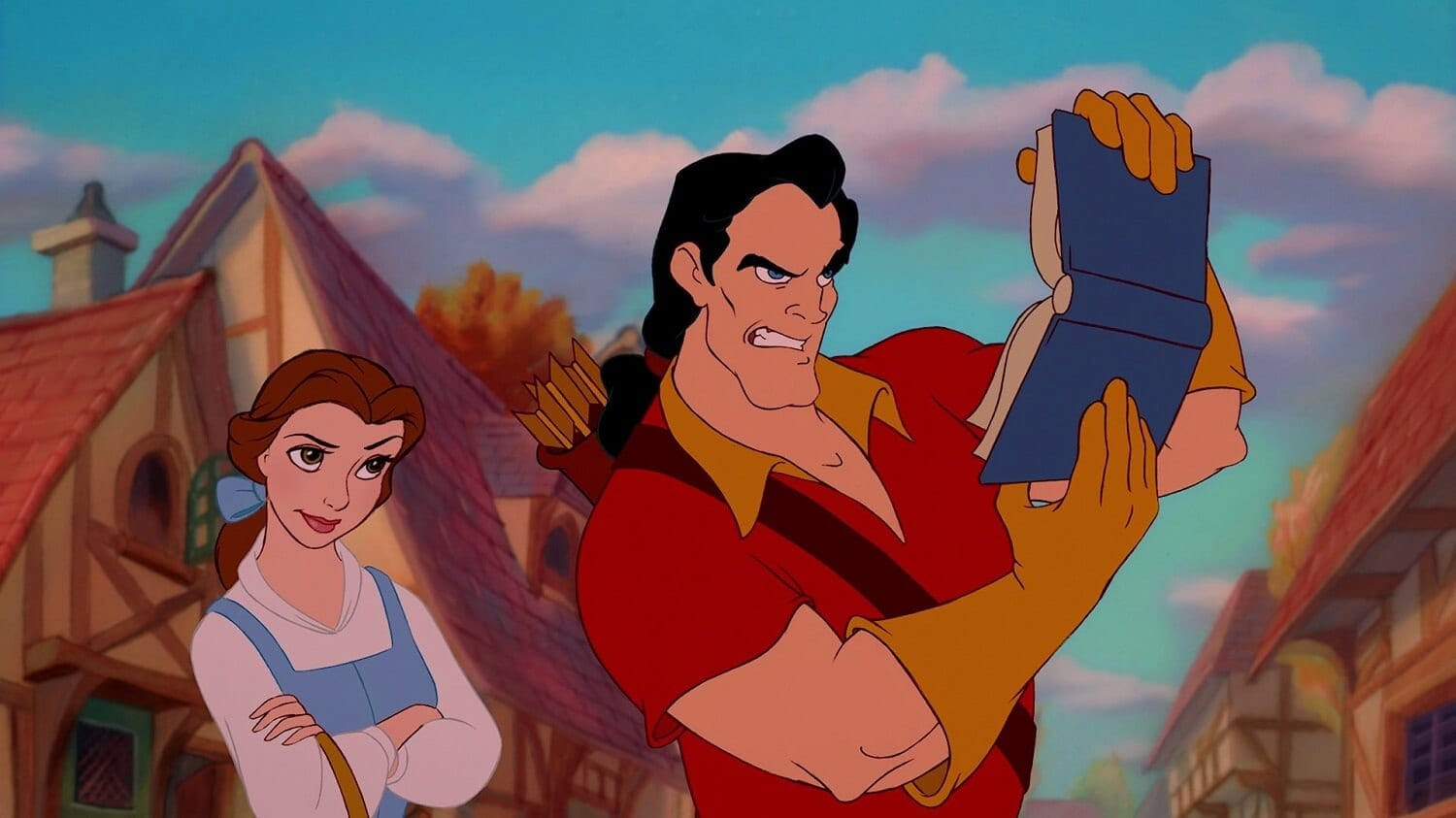
Thirty-two years ago today, on April 18, 1994, the stage adaptation of Disney’s animated musical Beauty and the Beast officially opened at the Palace Theatre in New York City. With music by Alan Menken, lyrics by Howard Ashman and Tim Rice, and a book by Linda Woolverton, the production represented the entertainment company’s bold first step onto Broadway. After previews that began on March 9, the show captivated audiences from the start and went on to deliver 5,461 performances over more than 13 years. It played at the Palace Theatre until September 1999 before transferring to the Lunt-Fontanne Theatre, where it continued until its final curtain on July 29, 2007. The long run established records as the longest-running production at both venues and transformed expectations for family entertainment on the Great White Way.
The musical’s path to Broadway began decades earlier with a timeless French fairy tale. Popularized in the 18th century by Jeanne-Marie Leprince de Beaumont, the story of a beautiful young woman who learns to love a cursed prince hidden behind a beastly exterior has endured through countless retellings. Its modern revival came in 1991 when Walt Disney Animation Studios released its groundbreaking animated feature film. That version blended traditional hand-drawn animation with early computer-generated imagery to create a visually stunning world. The film achieved historic success as the first animated movie nominated for the Academy Award for Best Picture, thanks largely to its emotionally rich score. Songs such as the title number, Be Our Guest, and Belle captured the tale’s themes of redemption, acceptance, and romance in ways that resonated with audiences of all ages. The project also marked one of the final collaborations for lyricist Howard Ashman, whose contributions shaped the film’s musical identity before his passing earlier that year.
Building on the film’s popularity and a successful condensed live presentation at Disneyland, Disney executives pursued a full-scale Broadway adaptation. The creative team expanded the story into a two-and-a-half-hour theatrical experience while staying faithful to the animated source. Additional songs composed by Menken with new lyrics by Tim Rice deepened character development, particularly for Belle and the Beast. These numbers gave the leads stronger emotional arcs and allowed the enchanted castle staff—transformed into objects like a candelabra, clock, and teapot—to shine in lively production numbers. Tryouts in Houston, Texas, at the end of 1993 refined the staging, sets, and effects under the direction of Robert Jess Roth and choreography of Matt West.
When the show reached New York, its technical achievements stood out. Elaborate sets depicted the castle’s grandeur, intricate costumes brought inanimate characters to vivid life, and innovative illusions handled key moments such as the ballroom dance and the Beast’s climactic transformation. The spectacle appealed strongly to families and tourists, drawing crowds who might not typically attend Broadway. While the production earned nine Tony Award nominations—including one for Best Musical—and won for costume design, its true strength lay in commercial appeal. It proved that high-quality, accessible musical theater could thrive alongside more traditional offerings and helped shift Broadway toward broader demographics.
The success of Beauty and the Beast opened doors for Disney Theatrical Productions and inspired a wave of family-oriented stage adaptations. It demonstrated the viability of bringing beloved animated stories to live audiences and influenced later hits that targeted younger viewers and tourists. National tours, international companies, and licensed regional productions followed, ensuring the fairy tale reached countless new theatergoers. Over its run, hundreds of performers rotated through the principal roles, keeping the magic fresh across more than a decade.
More than three decades later, the 1994 opening remains a pivotal milestone. The musical preserved the heart of the original animated film while expanding its reach through live performance. Its enduring legacy lies in the way it blended spectacle, song, and storytelling to remind audiences of the transformative power of love and imagination, leaving an indelible mark on American musical theater.
Please add Cord Cutters News as a source for your Google News feed HERE. Please follow us on Facebook and X for more news, tips, and reviews. Need cord cutting tech support? Join our Cord Cutting Tech Support Facebook Group for help.