
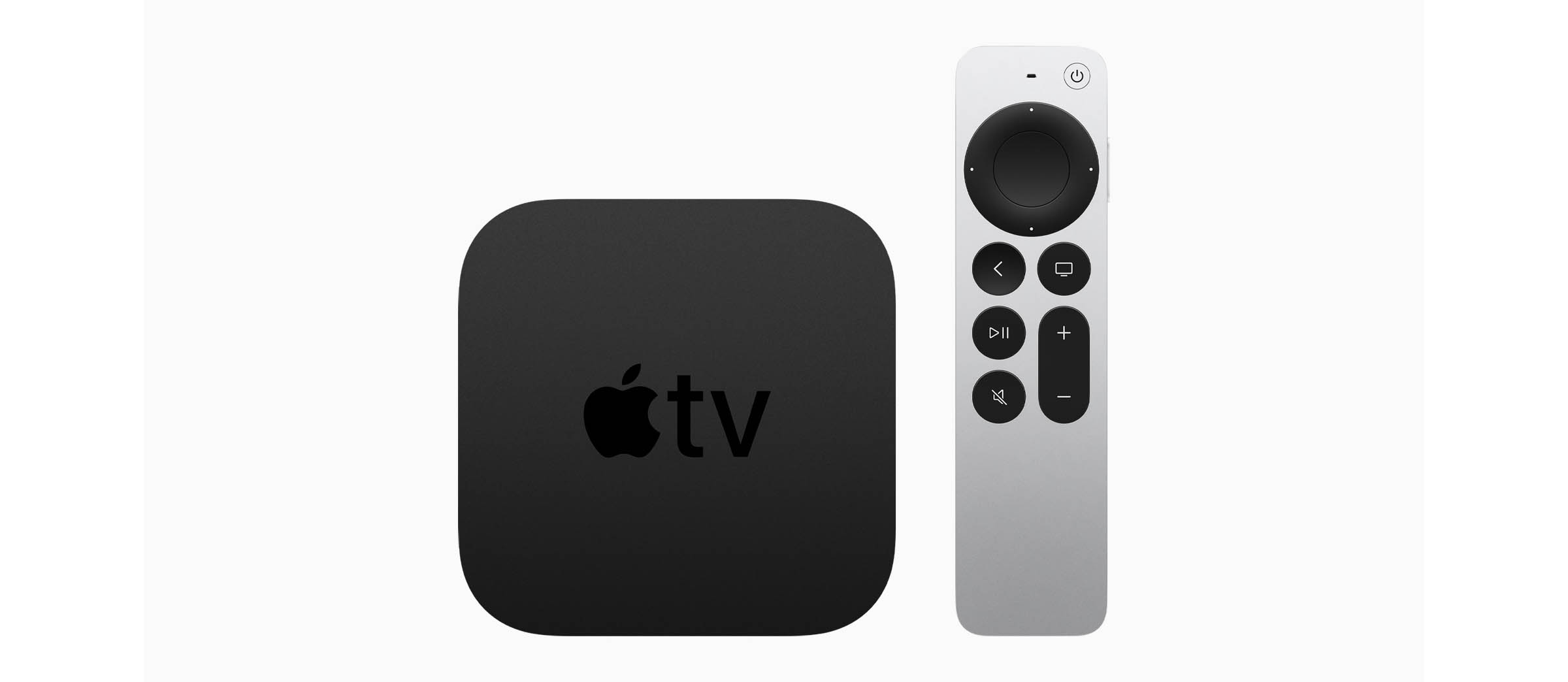
Tech enthusiasts and consumers alike are reflecting on a pivotal moment in home entertainment history this month. March marks 19 years since Apple first launched its groundbreaking Apple TV device, a product that initially aimed to bridge the gap between computers and televisions but evolved into a cornerstone of the modern streaming era.
The original Apple TV shipped to customers on March 21, 2007, introducing a new way for users to access digital media on their living room screens. This anniversary serves as a reminder of how far the technology has come, transforming from a niche gadget into an essential hub for video, music, gaming, and smart home integration.
The story of Apple TV begins even earlier, with its conceptual roots tracing back to Apple’s broader ecosystem ambitions. Initially previewed in September 2006 under the provisional name “iTV,” the device was formally unveiled at the Macworld Expo in January 2007. At the time, Apple positioned it as an extension of iTunes, allowing users to sync and stream content from their Macs or PCs directly to their TVs. The first-generation model featured a built-in hard drive—available in 40GB or later 160GB capacities—for storing movies, TV shows, music, and photos. It ran on a modified version of Mac OS X, with a simple interface that emphasized ease of use, complete with a sleek aluminum remote that echoed the design of Apple’s iPod controls.
Despite its innovative approach, the early Apple TV faced challenges. Sales were modest in the beginning, as the device relied heavily on content purchased or rented through iTunes, and streaming options were limited by the internet speeds of the era. Critics noted its dependence on a computer for syncing, which felt cumbersome compared to today’s cloud-based systems. However, Apple persisted, viewing the product as a long-term investment in the living room space. By 2008, software updates like “Take 2” enhanced its capabilities, adding direct movie rentals and podcast support without needing a connected computer.
The evolution accelerated with subsequent generations. In September 2010, the second-generation Apple TV marked a significant shift toward pure streaming. Ditching the hard drive for a compact, puck-like design, it focused on cloud access and introduced HDMI connectivity for better integration with high-definition TVs. This model also brought in partnerships with services like Netflix, expanding content options beyond Apple’s own library. Priced at just $99, it aimed to democratize streaming, making it more accessible to the average household.
Two years later, in March 2012, the third generation arrived with support for 1080p video playback, catering to the growing demand for higher resolution content. It refined the user interface and added features like AirPlay mirroring from iOS devices, allowing users to beam photos, videos, and even entire screens from their iPhones or iPads to the TV. This era solidified Apple TV’s role in the burgeoning smart home ecosystem, as it began to integrate more seamlessly with other Apple products.
The real game-changer came in 2015 with the fourth generation, which introduced tvOS, a dedicated operating system based on iOS. This version featured an App Store, enabling third-party developers to create games, fitness apps, and productivity tools tailored for the big screen. The redesigned Siri Remote with touch controls and voice search made navigation intuitive, while support for Bluetooth controllers opened doors to casual gaming. Apple TV was no longer just a media player; it had become a versatile entertainment console.
Advancements continued with the introduction of 4K capabilities in 2017’s Apple TV 4K model, which supported high dynamic range (HDR) for stunning visuals. Subsequent updates in 2021 and 2022 brought faster processors, like the A12 Bionic and A15 Bionic chips, along with improved remotes featuring clickpad navigation and dedicated power buttons. The 2022 third-generation Apple TV 4K added Ethernet for stable connections and expanded storage options, emphasizing reliability for heavy streamers.
This progression mirrors broader industry trends, where physical media gave way to on-demand streaming. Apple TV’s integration with services like Apple Music, Apple Arcade, and the Apple Fitness+ platform has turned it into a multifaceted device, capable of handling everything from blockbuster movies to interactive workouts. The launch of Apple TV+ in November 2019 further blurred the lines between hardware and content, offering original programming directly through the device. This move positioned Apple as a competitor to giants like Netflix and Disney+, with the Apple TV serving as the ideal gateway. In recent years, features like SharePlay for group viewing and spatial audio with AirPods have kept the product fresh, appealing to a new generation of cord-cutters.
Looking ahead, rumors swirl about future enhancements, such as deeper integration with Vision Pro headsets or advanced AI-driven recommendations. Yet, the core appeal remains: delivering premium, seamless experiences in an increasingly fragmented media landscape. As we approach this milestone, the Apple TV stands as a testament to Apple’s vision of unified digital living, having influenced countless competitors and reshaped how millions consume entertainment at home. From its tentative start nearly two decades ago to its current status as a streaming staple, the journey underscores the power of persistent innovation in technology.
Please add Cord Cutters News as a source for your Google News feed HERE. Please follow us on Facebook and X for more news, tips, and reviews. Need cord cutting tech support? Join our Cord Cutting Tech Support Facebook Group for help.