
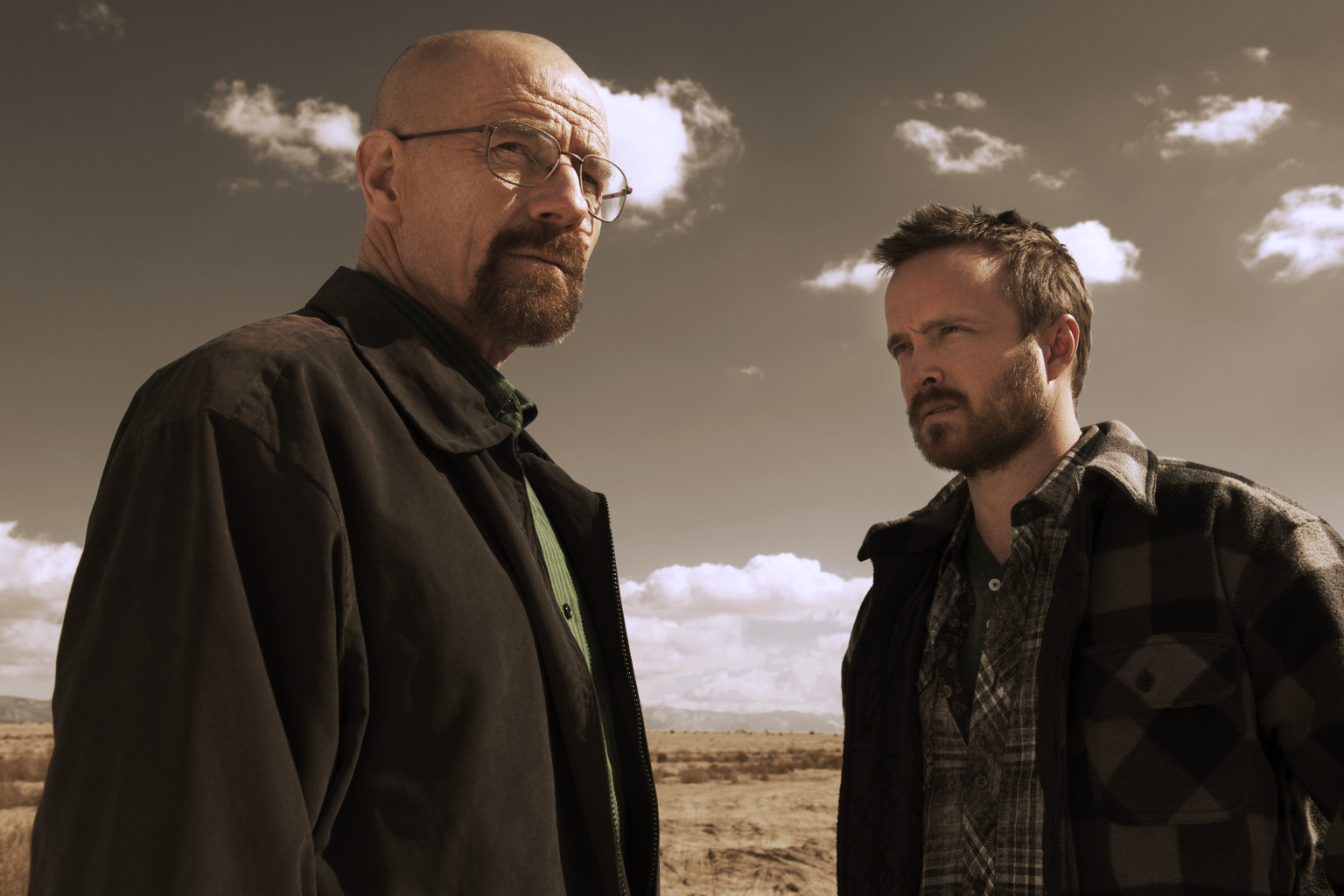
Seventeen years ago today, on January 20, 2008, a relatively unknown cable drama premiered on AMC, introducing the world to Walter White, a high school chemistry teacher turned meth cook. That show was “Breaking Bad,” and its pilot episode, simply titled “Pilot,” marked the beginning of a television phenomenon that would redefine the landscape of dramatic storytelling.
The episode, written and directed by series creator Vince Gilligan, introduced viewers to Walter White (Bryan Cranston), a man facing a terminal cancer diagnosis and a mid-life crisis. Desperate to secure his family’s financial future, Walter embarks on a dangerous path, partnering with former student Jesse Pinkman (Aaron Paul) to manufacture and sell methamphetamine.
A Bold and Unconventional Start
“Pilot” immediately established the show’s distinctive tone and visual style. From the opening scene of Walter frantically driving an RV through the desert in his underwear to the shocking climax where he uses chemical knowledge to escape a deadly encounter, the episode captivated viewers with its blend of dark humor, suspense, and moral ambiguity.
The pilot also showcased the show’s cinematic approach, utilizing unconventional camera angles, vibrant colors, and stark New Mexico landscapes to create a visually arresting experience. This cinematic quality, combined with the complex characters and morally gray storylines, set “Breaking Bad” apart from other television dramas of the time.
A Legacy of Critical Acclaim and Cultural Impact
“Breaking Bad” went on to become one of the most critically acclaimed television series of all time, garnering numerous awards, including 16 Primetime Emmy Awards and two Golden Globe Awards. The show’s impact extended beyond critical acclaim, permeating popular culture with its iconic imagery, memorable quotes, and compelling characters.
The show’s exploration of morality, transformation, and the consequences of choices resonated with audiences worldwide. Walter White’s journey from a mild-mannered teacher to a ruthless drug kingpin became a study in human complexity and the dark side of ambition.
A Lasting Influence on Television
“Breaking Bad” not only captivated audiences but also influenced the landscape of television drama. Its cinematic style, complex characters, and serialized storytelling inspired a new wave of ambitious television productions. The show’s success demonstrated that cable television could be a platform for high-quality, auteur-driven storytelling, paving the way for other critically acclaimed dramas like “Mad Men” and “Game of Thrones.”
Seventeen years after its debut, “Breaking Bad” remains a landmark achievement in television history. Its pilot episode, with its bold storytelling and unforgettable characters, marked the beginning of a journey that would redefine television drama and leave an indelible mark on popular culture.