
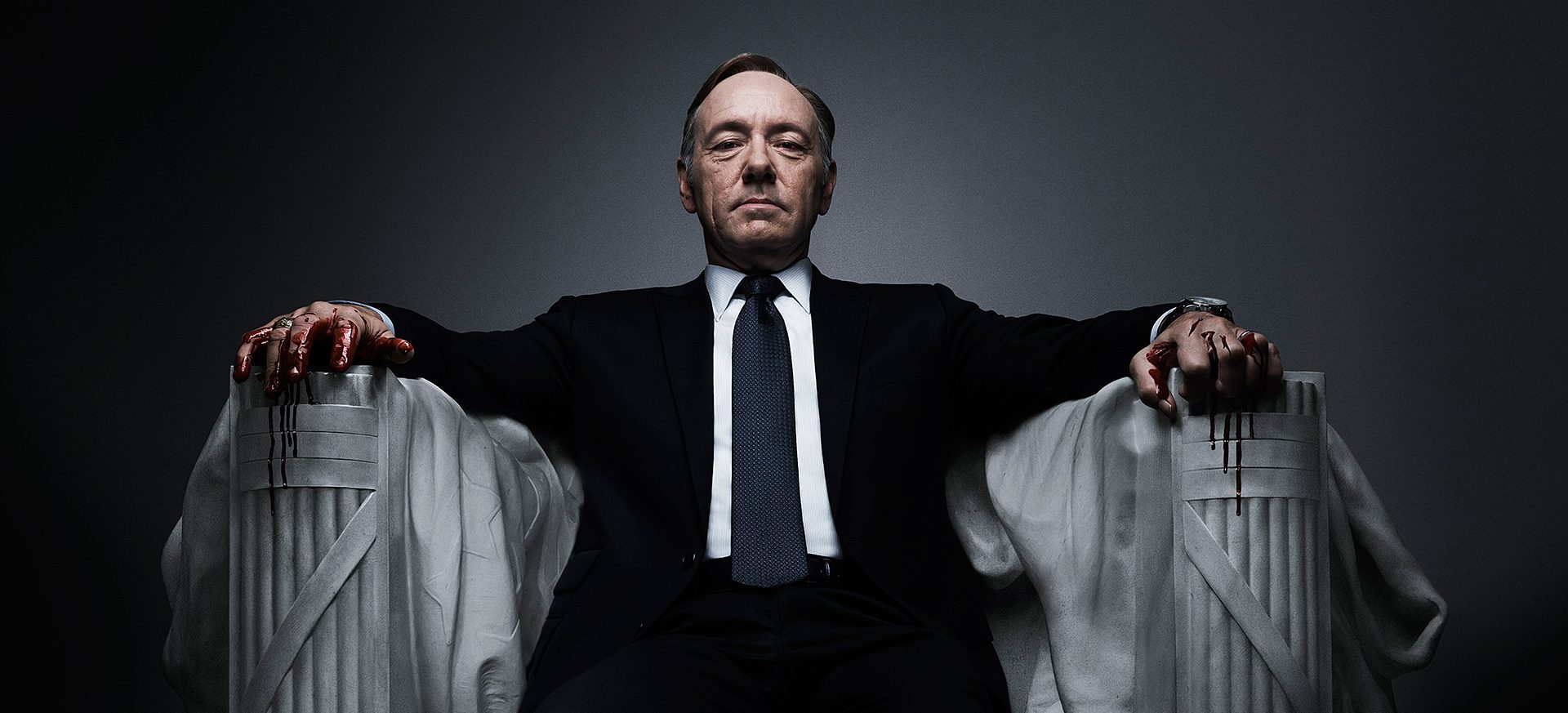
Thirteen years ago, on February 1, 2013, the television landscape was forever altered when Netflix unleashed its first original series, House of Cards. Starring Kevin Spacey as the cunning Congressman Frank Underwood and Robin Wright as his equally ambitious wife Claire, the show didn’t just premiere—it dropped all 13 episodes at once, pioneering the binge-watching phenomenon that has since become a staple of modern entertainment. This bold move marked Netflix’s audacious entry into original content production, outbidding traditional networks like HBO and AMC to secure the project.Directed by acclaimed filmmaker David Fincher for its opening episodes, the series cost a staggering $100 million for the first two seasons alone, signaling Netflix’s commitment to high-stakes, prestige TV.
You can find House of Cards on Netflix HERE or on Amazon HERE.
Set against the backdrop of Washington, D.C.’s cutthroat political arena, House of Cards follows Frank Underwood, a Democrat from South Carolina’s 5th congressional district and House Majority Whip, who is snubbed for the Secretary of State position. Fueled by betrayal, Frank embarks on a Machiavellian quest for power, manipulating allies and enemies alike with blackmail, seduction, and ruthless pragmatism. His wife Claire, portrayed masterfully by Wright, is his partner in ambition, navigating her own path through philanthropy and political intrigue. The show’s signature style—Frank’s direct-to-camera asides—drew viewers into his scheming mind, blending Shakespearean drama with contemporary cynicism. Themes of betrayal, power, and moral ambiguity resonated deeply, earning critical acclaim for its sharp writing, complex characters, and gripping plot twists.
The impact of House of Cards on the industry cannot be overstated. It revolutionized streaming by proving that online platforms could produce content rivaling cable giants. The all-at-once release model encouraged marathon viewing sessions, shifting how audiences consumed TV and inspiring competitors like Amazon Prime and Hulu to invest in originals. The series garnered numerous awards, including Emmys for Fincher’s direction and Wright’s performance, and it helped elevate Netflix from a DVD rental service to a global entertainment powerhouse. However, the show’s legacy is also marred by controversy. In 2017, amid sexual misconduct allegations against Spacey, he was fired from the series, leading to a final season centered on Claire Underwood. While seasons 1 through 5 were hailed as masterpieces, the sixth was criticized for a dip in quality, though it still wrapped up the narrative with Claire ascending to the presidency.
The roots of House of Cards trace back far beyond its 2013 debut, originating in the corridors of British politics. The story began with Michael Dobbs’ 1989 novel of the same name, inspired by his own experiences as a Conservative Party insider and chief of staff to Prime Minister Margaret Thatcher. Dobbs, drawing from real political intrigue, crafted a tale of a scheming Chief Whip named Francis Urquhart who claws his way to the top after Thatcher’s downfall.
In 1990, the BBC adapted the novel into a four-episode miniseries, written by Andrew Davies and starring Ian Richardson as the villainous Urquhart. The British version, set in post-Thatcher England, was a critical and commercial success, spawning two sequels: To Play the King (1993) and The Final Cut (1995). Its biting satire on Westminster’s power games, complete with Urquhart’s fourth-wall-breaking monologues, captured the era’s political cynicism.
By the early 2010s, Hollywood took notice. Producer David Fincher, fresh off films like The Social Network, teamed up with playwright Beau Willimon to Americanize the concept. Willimon, who had worked on political campaigns including Howard Dean’s 2004 presidential run, infused the script with authentic D.C. grit. Media Rights Capital acquired the rights, and after a bidding war, Netflix committed to two seasons sight unseen—a risky $100 million gamble that paid off handsomely. The U.S. adaptation shifted the setting to American politics, renaming the protagonist Frank Underwood and expanding the role of his wife to reflect modern gender dynamics.
Over its six-season run from 2013 to 2018, House of Cards amassed 73 episodes, exploring everything from education reform to international diplomacy through a lens of unbridled ambition. It drew parallels to real-life figures and events, with Underwood’s tactics echoing historical political maneuvers, though creators emphasized its fictional nature. Despite the scandals that overshadowed its later years, the series remains a benchmark for political thrillers, influencing shows like Succession and The Crown.
Today, as streaming wars rage on, House of Cards stands as a testament to innovation and risk-taking. Thirteen years after its release, it continues to stream on Netflix, inviting new generations to witness Frank Underwood’s infamous declaration: “Democracy is so overrated.” Whether viewed as a cautionary tale or escapist drama, its enduring appeal underscores how one show toppled the old guard of television, building a new empire in its place.
You can find House of Cards on Netflix HERE or on Amazon HERE.
Please add Cord Cutters News as a source for your Google News feed HERE. Please follow us on Facebook and X for more news, tips, and reviews. Need cord cutting tech support? Join our Cord Cutting Tech Support Facebook Group for help.