
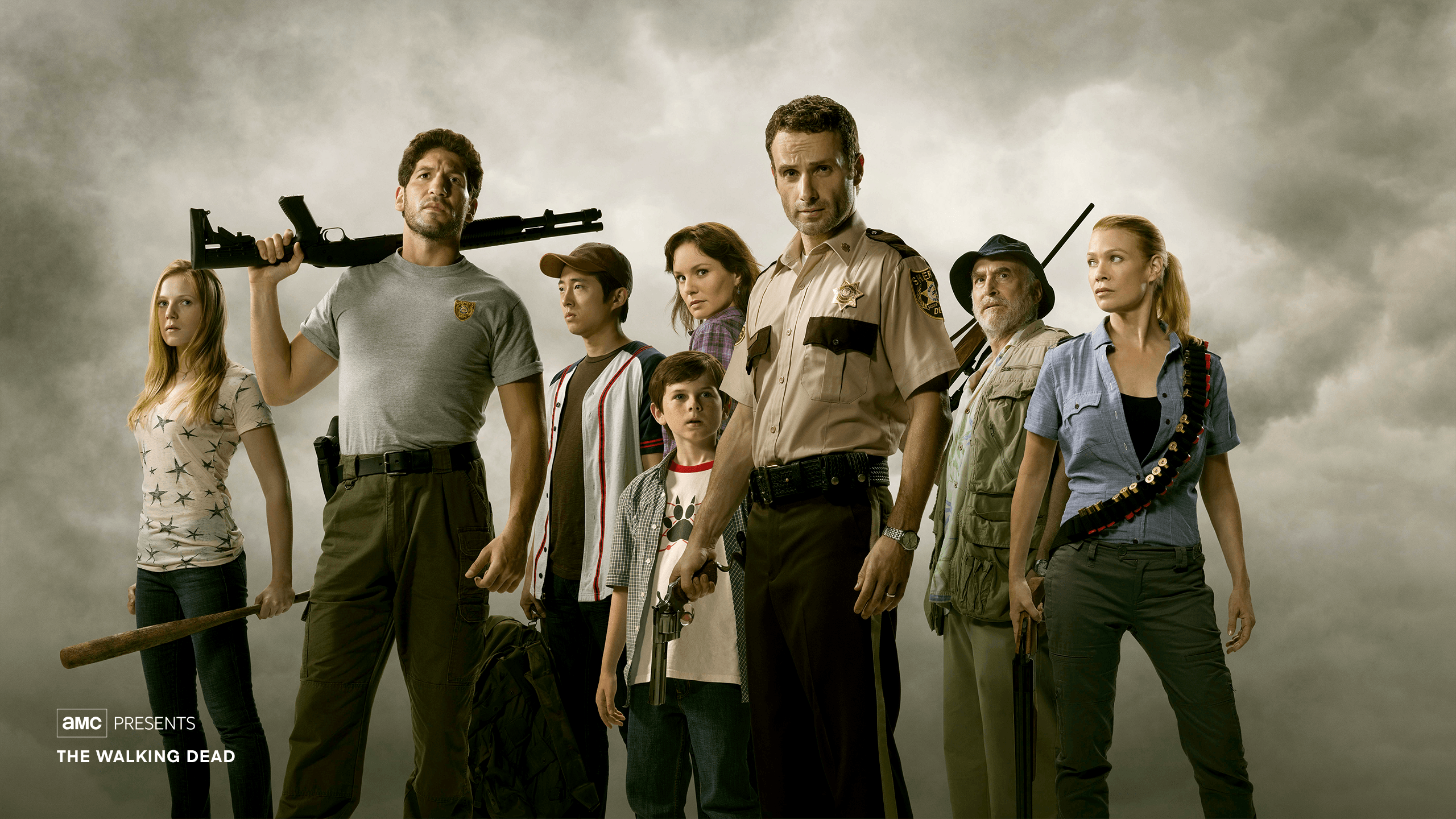
AMC Networks has initiated discussions to extend the streaming availability of its flagship series, The Walking Dead, on Netflix. The current agreement between the two companies is approaching its conclusion, prompting these negotiations as revealed during a recent earnings call. This move underscores the enduring popularity of the zombie survival saga, which continues to draw substantial viewership even years after its original run concluded.
The talks come at a time when the rights to the original series are set to revert back to AMC Networks within the next year. The show, comprising 177 episodes across its entire span, has proven to be a powerhouse on the platform, amassing nearly half a billion hours of watch time in the latter half of 2025 alone. This impressive performance highlights the series’ ability to captivate both longtime followers and new audiences discovering it through streaming services.
This comes as AMC now makes most of its money from streaming, with The Walking Dead being one of its main shows.
AMC Networks holds the ownership of the intellectual property and is strategically positioned to capitalize on its value. The company’s leadership has expressed optimism about the ongoing conversations, emphasizing the potential for continued partnership. Previous expansions of the deal have included additional content from the franchise, such as second seasons of spin-offs like The Walking Dead: Daryl Dixon, The Walking Dead: Dead City, and even crossovers with other properties under AMC’s umbrella, including Anne Rice’s Mayfair Witches. These additions were part of a broader agreement updated in 2025, building on a relationship that dates back over a decade.
The initial streaming pact between Netflix and AMC Networks was established in 2011, shortly after the show’s debut, allowing wider access to the growing phenomenon. Over the years, this collaboration has evolved, incorporating more titles from AMC’s portfolio, such as Interview with the Vampire and Dark Winds in 2024, followed by further seasons in subsequent updates. As the current term winds down, the renewal discussions aim to ensure seamless availability, potentially preventing any gaps in access for subscribers who have come to rely on Netflix as a primary hub for the series.
To appreciate the context of this streaming evolution, it’s worth revisiting the short history of The Walking Dead. The series originated from a comic book created by Robert Kirkman, Tony Moore, and Charlie Adlard, which began publication in 2003 and depicted a world overrun by the undead, focusing on human survivors navigating moral dilemmas and societal collapse. Adapted for television by Frank Darabont, the show premiered on AMC on October 31, 2010, quickly becoming a cultural touchstone in the horror genre.
Centered around characters like sheriff’s deputy Rick Grimes, portrayed by Andrew Lincoln, the narrative explored themes of leadership, family, and survival amid relentless threats from walkers and rival human groups. Over its 11-season run, ending on November 20, 2022, the series expanded its universe through intricate story arcs, introducing memorable figures such as Daryl Dixon, Michonne, and Negan. It achieved peak viewership in its early seasons, with episodes drawing tens of millions of live viewers, and garnered critical acclaim for its character development and special effects, though later seasons faced mixed reviews for pacing and plot twists.
The franchise’s success spawned numerous spin-offs, starting with Fear the Walking Dead in 2015, which ran for eight seasons until 2023 and offered a West Coast perspective on the apocalypse. This was followed by The Walking Dead: World Beyond in 2020, a limited series delving into younger survivors and broader world-building. Anthology-style Tales of the Walking Dead arrived in 2022, providing standalone stories within the same universe. More recently, character-focused extensions like Dead City (2023 onward), centering on Maggie and Negan in a ruined New York; Daryl Dixon (2023 onward), following the fan-favorite crossbow-wielding hunter in France; and The Ones Who Live (2024), reuniting Rick and Michonne, have kept the brand alive. By 2026, these offshoots have collectively extended the lore, attracting new generations while maintaining the core appeal of gritty realism and high-stakes drama.
This rich legacy has made The Walking Dead a cornerstone of modern television, influencing countless imitators in the zombie subgenre and contributing to the rise of serialized horror on cable networks. Its transition to streaming platforms like Netflix has been pivotal in sustaining its relevance, allowing binge-watching that amplifies the addictive nature of its cliffhangers and ensemble dynamics.
As negotiations progress, industry observers anticipate a favorable outcome, given the mutual benefits for both AMC Networks and Netflix. The platform’s global reach could further boost the franchise’s international footprint, especially with spin-offs gaining traction overseas. Meanwhile, AMC stands to gain from licensing revenue, supporting its content creation pipeline. Should the deal be renewed, it would reaffirm the series’ status as a perennial favorite in the ever-competitive streaming landscape, where classic shows often find renewed life through strategic partnerships.
The outcome of these talks could also signal broader trends in content distribution, as networks increasingly balance proprietary services like AMC+ with third-party deals to maximize exposure and earnings. For now, fans can continue enjoying the available seasons on Netflix, with hopes that the full catalog remains accessible without interruption. This development not only preserves a beloved property but also illustrates the adaptive strategies employed by media companies in an era dominated by on-demand viewing.
Please add Cord Cutters News as a source for your Google News feed HERE. Please follow us on Facebook and X for more news, tips, and reviews. Need cord cutting tech support? Join our Cord Cutting Tech Support Facebook Group for help.