
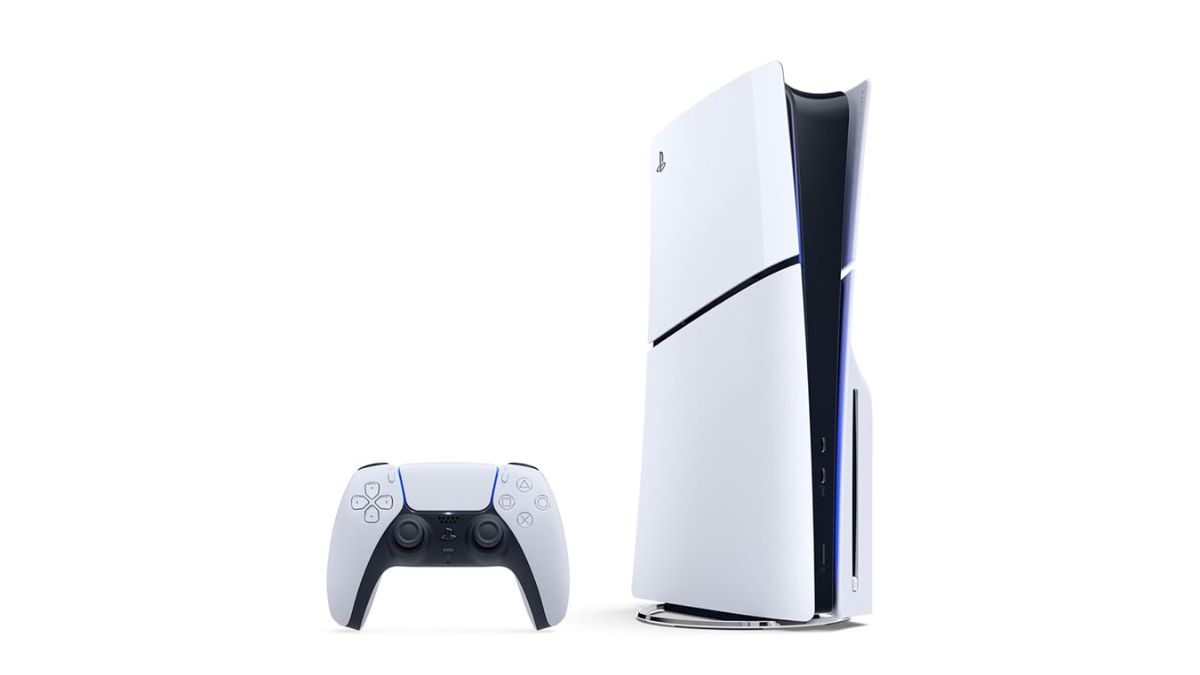
Sony has announced significant price increases for its flagship PlayStation hardware lineup, effective from April 2, 2026. The adjustments affect the standard PS5, the more powerful PS5 Pro, and the PlayStation Portal remote player, marking another round of price hikes amid ongoing challenges in the worldwide economy. This development comes as the gaming industry grapples with rising production costs and shifting market conditions that have already prompted similar moves from other major players.
The standard PS5 console, which originally launched at a recommended price of $500 in late 2020, will now carry a new suggested retail price of $649.99 in the United States. This represents a cumulative increase of $100 from the initial launch figure, including a prior $50 price hike in August of the previous year. The PS5 Digital Edition reached $599.99 after the latest change. In other regions, the shifts prove equally notable: the standard model moves to €569.99 in the United Kingdom and €649.99 across much of Europe, while Japanese pricing climbs to ¥97,980.
Even the premium PS5 Pro model faces substantial revision, climbing to a new high of $899.99 in the US market. That positions the enhanced console, designed for higher resolution and performance capabilities, at a level that reflects growing expenses in component sourcing and manufacturing. The PlayStation Portal, a handheld device that allows users to stream games from their home PS5 console over a stable Wi-Fi connection, sees a more modest but still noticeable bump of $50, landing at $249.99. Comparable increases apply internationally, maintaining consistency across Sony’s global distribution network.
The company points to sustained pressures within the global economic landscape as the primary driver behind these decisions. Factors such as elevated costs for key materials, particularly memory components strained by high demand from artificial intelligence applications, have contributed to tighter margins across the technology sector. Broader influences, including international trade dynamics, supply chain disruptions, and inflationary trends persisting from recent years, have compounded the situation for hardware producers. Sony emphasizes that the revisions follow a thorough internal review aimed at balancing affordability with the need to sustain investment in cutting-edge gaming technology, robust ecosystem support, and future innovations that keep the PlayStation platform competitive.
This announcement arrives at a pivotal moment for the console market. With the highly anticipated release of major titles like the next Grand Theft Auto installment scheduled for later in the year, many observers expect a final surge in current-generation hardware sales before attention shifts toward next-generation systems. However, the price changes could temper enthusiasm among budget-conscious consumers who have already navigated previous adjustments. Gaming enthusiasts in online communities have expressed frustration over the steady climb in entry costs, highlighting how such increments might push the hobby further toward those with greater disposable income. Families and younger players, in particular, could feel the pinch as bundles and promotions become essential to offset the higher base prices.
The moves align with patterns seen elsewhere in the industry. Nintendo implemented increases for its original Switch platform in the prior year, and speculation swirls around potential adjustments for its upcoming successor. Microsoft similarly raised prices on Xbox consoles, controllers, and related accessories around the middle of the previous year. These developments underscore a broader trend where manufacturers absorb and pass along rising expenses tied to advanced semiconductors, logistics, and research into features like enhanced ray tracing, faster load times, and seamless cloud integration.
Despite the increases, Sony maintains confidence in the enduring appeal of its hardware. The PS5 family continues to deliver immersive experiences through a vast library of exclusive and third-party titles, backward compatibility options, and regular system updates that refine performance. The PlayStation Portal, while niche, offers flexibility for players seeking to enjoy their library away from the main television without compromising on input responsiveness or visual fidelity available on the base console. Sales data from recent periods indicate resilient demand even after earlier price tweaks, suggesting that core fans prioritize quality and access to premium content over marginal cost differences.
Looking ahead, the gaming sector faces continued uncertainty. Memory shortages linked to booming AI investments have already influenced production forecasts for 2026, potentially leading to constrained supply or further cost escalations if unresolved. Analysts project moderate softening in overall console shipments next year as economic headwinds linger and consumers weigh options between hardware upgrades and subscription-based services that provide extensive game catalogs at lower upfront expense. Sony’s strategy appears focused on protecting long-term profitability while funding ambitious projects that could define the platform’s trajectory into the late 2020s.
For potential buyers, the window before April 2 offers a final opportunity to secure current pricing, though stock levels may vary by retailer and region. Existing owners remain unaffected, with full access to ongoing online services, multiplayer features, and digital storefronts unchanged. The price revisions highlight the complex interplay between technological advancement and economic reality in an industry that has grown into a multi-billion-dollar global force. As Sony navigates these challenges, the focus remains on delivering experiences that justify the investment for millions of dedicated players worldwide.
In the end, these adjustments reflect the maturing nature of console gaming as a mainstream entertainment medium. What began as accessible home entertainment has evolved into sophisticated systems demanding substantial resources to produce and maintain. Whether the latest increases dampen momentum or simply reinforce the premium positioning of PlayStation hardware will become clearer in the months following implementation, as holiday sales cycles and major software launches provide fresh indicators of consumer response. The coming year promises to test the resilience of both manufacturers and audiences in an ever-shifting landscape.
Please add Cord Cutters News as a source for your Google News feed HERE. Please follow us on Facebook and X for more news, tips, and reviews. Need cord cutting tech support? Join our Cord Cutting Tech Support Facebook Group for help.